


After noticing their home battery acting weird, a U.K. Powerwall owner sparked discussion in r/Powerwall.
Here's what to know
In a post on Reddit, the original poster wrote, "The powerwall has been charging up at peak rate 30p [about $0.40] all day to avoid charging at off peak 7p [about $0.09]."
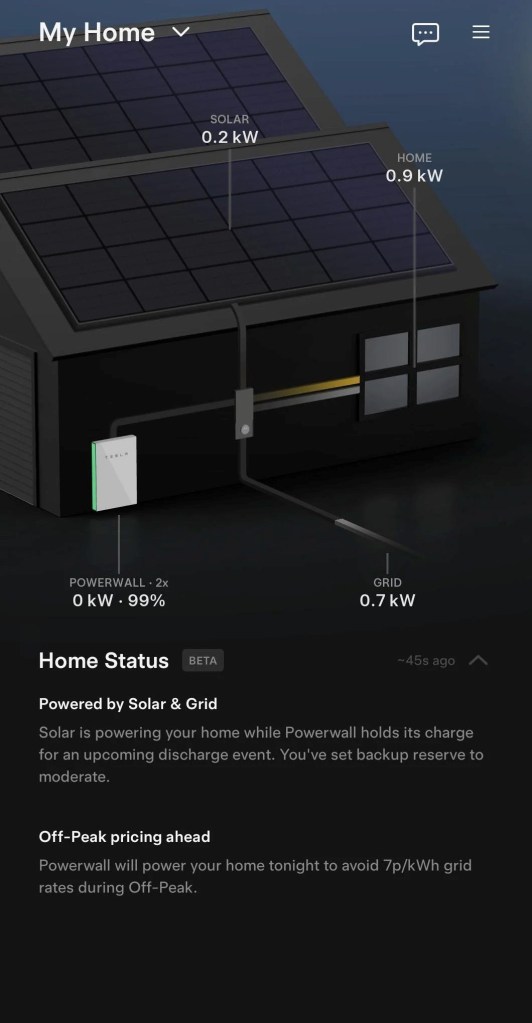
"I've made no configuration change and it pulls the rates directly off my supplier which all look correct," they continued.
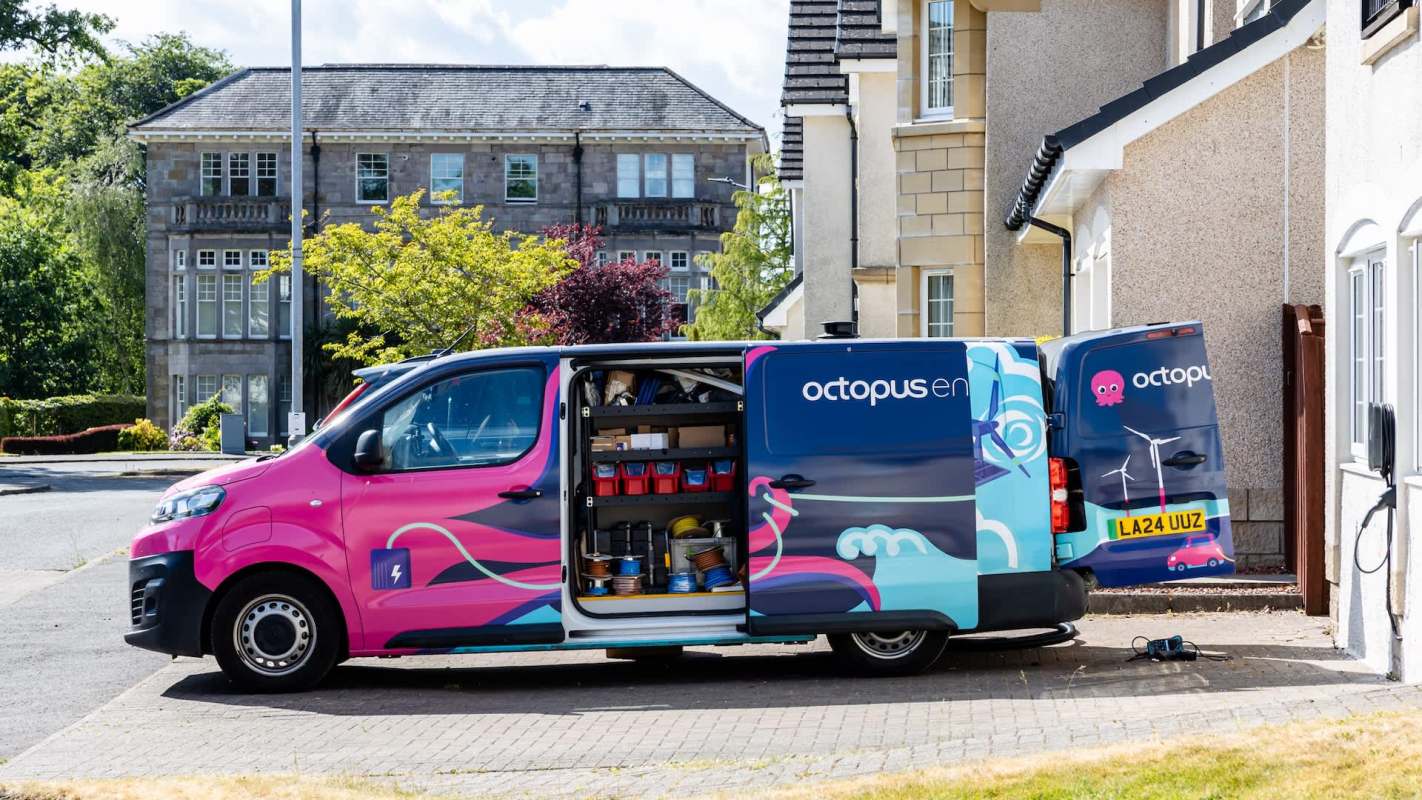
"If you're on Octopus Outgoing Agile it's likely it was preserving charge to export in the next couple of hours due to higher export rates," one person suggested.
That would mean the system was positioning itself for a more profitable selling window later in the day.
Adding battery storage is one of the best ways to protect your home during outages. If you're weighing your options, EnergySage has great info about home battery storage options, including competitive installation estimates. EnergySage has also teamed up with the electrification brand Qmerit to guarantee you get the best price on a home battery system.
Pila is another company offering excellent battery backup options, and its plug-and-play batteries are priced at a fraction of what a whole-home backup system would cost.
More background
For homeowners who live in an area that has time-of-use energy plans, an intelligent battery system can be appealing even without rooftop solar.
Save $10,000 on solar panels without even sharing your phone number Want to go solar but not sure who to trust? EnergySage has your back with free and transparent quotes from fully vetted providers in your area. To get started, just answer a few questions about your home — no phone number required. Within a day or two, EnergySage will email you the best options for your needs, and their expert advisers can help you compare quotes and pick a winner. Solar panels can save you more than $50k over their 25-year lifespan, and EnergySage can help you save as much as $10k on installation. Which begs the question — isn't that worth an email or two? |

When someone asked the above commenter about how their current battery system was handling things, they replied, "Honestly pretty good. I don't have solar, so I'm able to charge overnight on IOG and then sell at peak each evening."
For homes on complex tariffs, the ability to store cheaper electricity and use or export it later can create real savings, especially when evening prices spike. It just might take a double check or two to make sure you're charging at the right time and for the right price.
What can be done?
One useful step for homeowners with a smart battery is to confirm whether any tariff-linked export mode is active.. The software may be prioritizing the best total return rather than the lowest immediate charging cost.
Before deciding the system is malfunctioning, it can help to compare import and export prices. If a later sale would bring in more than the earlier cost of buying electricity, the battery may be operating exactly as intended.
Based on factors like your energy cost structure and ultimate goals, a time-of-use plan or a different battery set-up might work better for your needs. A household focused on backup power may prefer one strategy, and a household focused on bill savings may choose another.
Where can I learn more?
Home batteries are being used for more than backup power as they get more intelligent.
• Utilities are testing peer-to-peer energy trading that could lower home electricity costs.
• EcoFlow unveiled a next-gen home battery positioned as a serious Tesla rival.

Get TCD's free newsletters for easy tips, smart advice, and a chance to earn $5,000 toward home upgrades. To see more stories like this one, change your Google preferences here.






