


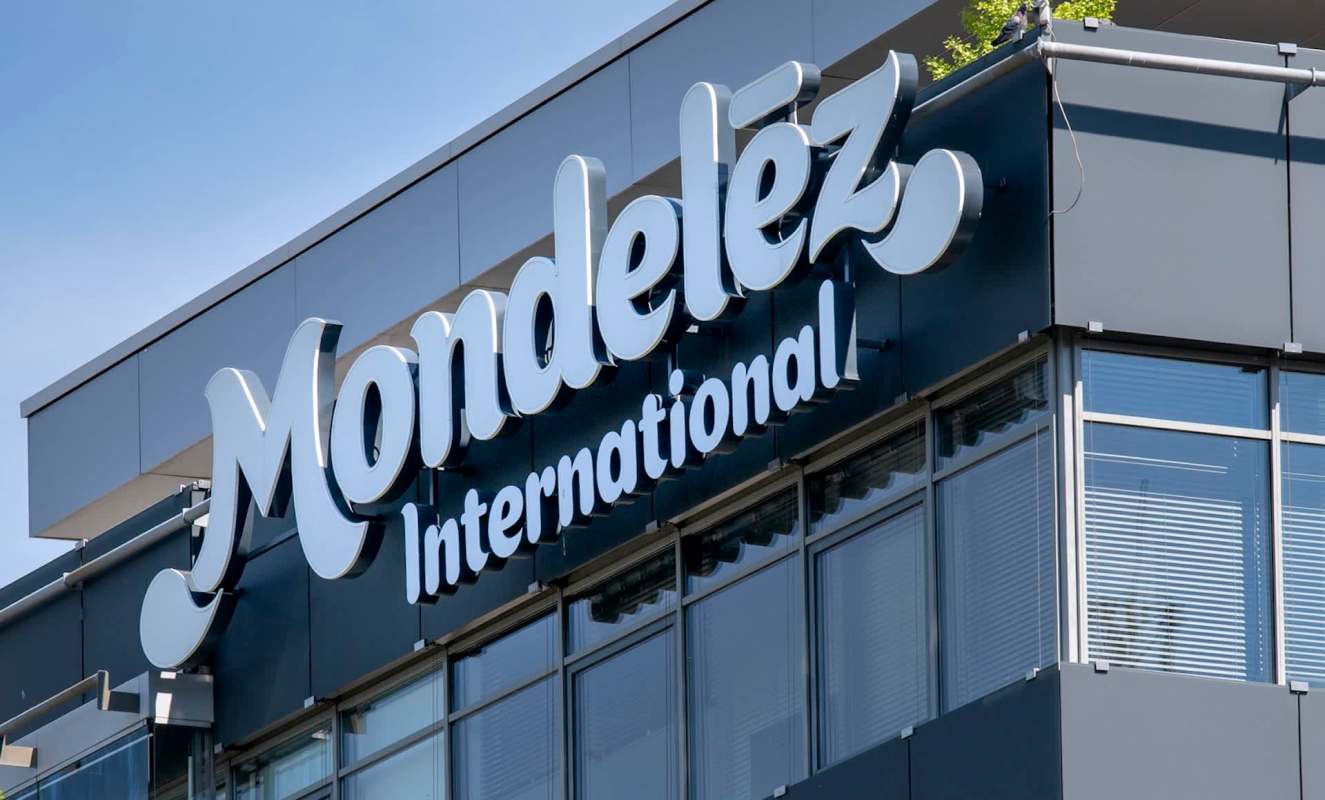
One of the world's largest snack companies, chocolate giant Mondelēz International, may have pushed back on rules meant to keep products linked to forest destruction off store shelves.
The company behind Cadbury, Milka, Toblerone, and Oreo is being scrutinized over accusations that it lobbied behind the scenes against a key European anti-deforestation initiative.
Here's what to know
At the center of the dispute is the European Union Deforestation Regulation, which Global Witness said Mondelēz tried to delay and water down, as Mongabay reported.
The policy was originally supposed to begin in 2024 but is now scheduled to begin Dec. 31. Once in effect, it will require companies selling into the EU to show that cocoa and other forest-linked goods were not sourced from land cleared after Dec. 31, 2020.
According to Global Witness, CEO Dirk Van De Put met in Brussels with Andrew Puzder, whom the report identifies as the U.S. ambassador to the EU.
The watchdog said that meeting came before European Parliament and Council action on regulatory simplifications that took effect Sept. 18. Mondelēz later split from other major chocolate makers by calling for a 12-month delay in July 2025.
TCD Picks » Quince Spotlight
💡These best-sellers from Quince deliver affordable, sustainable luxury for all




Since 2023, Global Witness estimated that Mondelēz has spent 1.2 million to 1.5 million euros — roughly $1.4 million to $1.7 million — on lobbying in the EU. However, it's unclear which exact issues the spending focused on.
More background
Cocoa production has long been linked to deforestation, particularly in West Africa, where forests are cleared for agriculture and wildlife habitat is lost.
Global Witness said Mondelēz was the only major chocolate manufacturer in its review that did not report what share of its cocoa supply was deforestation-free. The nongovernmental organization said the company is still exposed to cocoa-related deforestation in parts of West Africa, including Liberia, because it continues to source cocoa through what it described as an untraceable system.
The allegations also relate to other corporate greenwashing issues, when companies market themselves as environmentally responsible while lobbying against rules that would require clearer accountability.
What's being done?
The EUDR is intended to keep goods such as cocoa off the EU market if they were produced on land deforested after Dec. 31, 2020, and it requires companies to document that those products meet the rule.
Outside government, advocacy groups such as Global Witness are applying pressure by tracking corporate lobbying and supply chain disclosures.
Readers who want to better spot misleading environmental claims can also educate themselves about greenwashing.
The dispute surrounding Mondelēz centers on how much influence corporations can wield over environmental rules — and how that influence can harm forests, food systems, and public trust.
Where can I learn more?
For more on the EU deforestation rule and the corporate pressure surrounding it, check out these stories. They look at alleged efforts by major brands to weaken regulations, the law itself, and supply-chain and greenwashing disputes tied to food and packaging.
• A leaked letter suggested Coca-Cola and McDonald's quietly lobbied to weaken an EU packaging law.
• The EU moved to ban goods linked to tree destruction from global supply chains.
• In Peru, investigators examined a palm oil supplier accused of illegal deforestation on cleared land.
• Food giants were accused of manipulating data to avoid deeper climate and supply-chain changes.
• At United Nations plastics talks, over 300 lobbyists swarmed negotiations over pollution rules.

Get TCD's free newsletters for easy tips, smart advice, and a chance to earn $5,000 toward home upgrades. To see more stories like this one, change your Google preferences here.






