


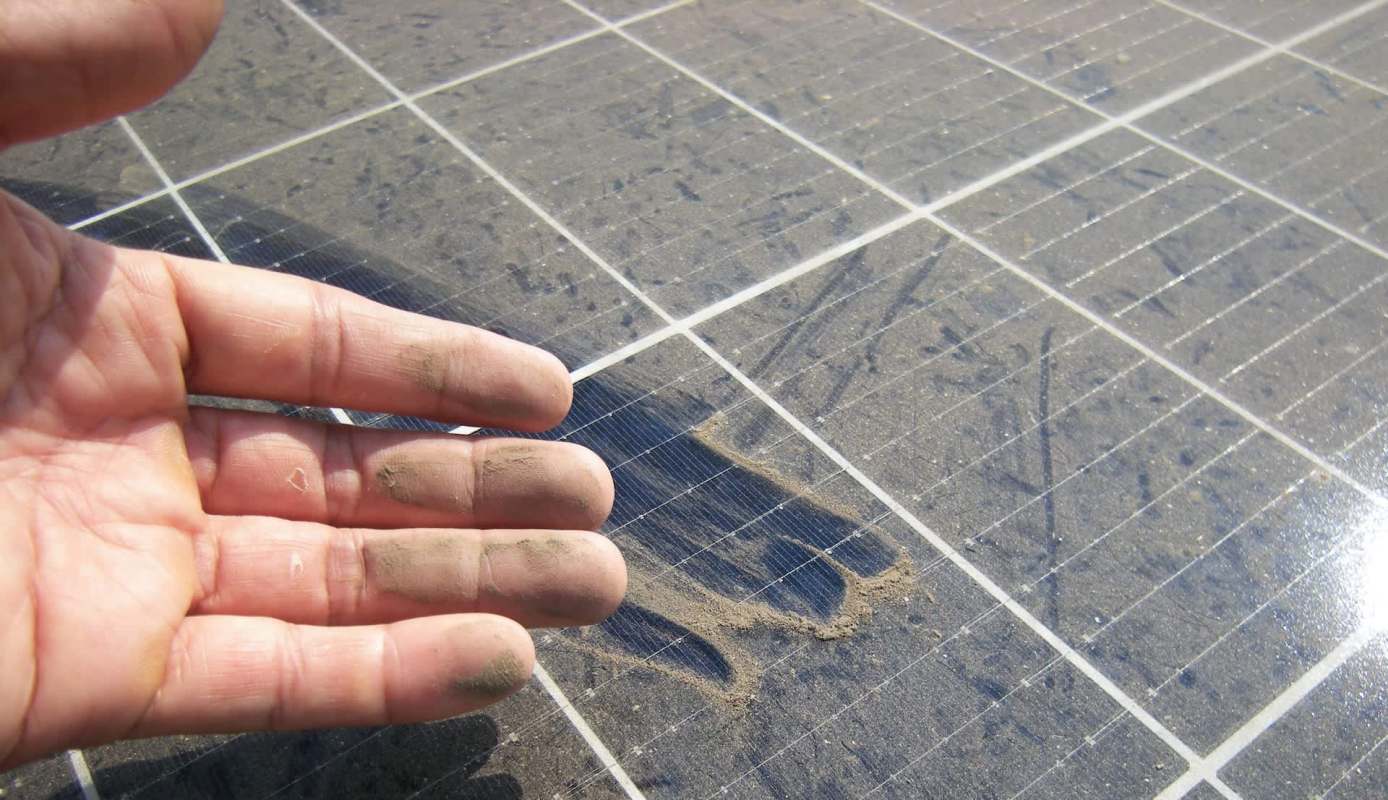
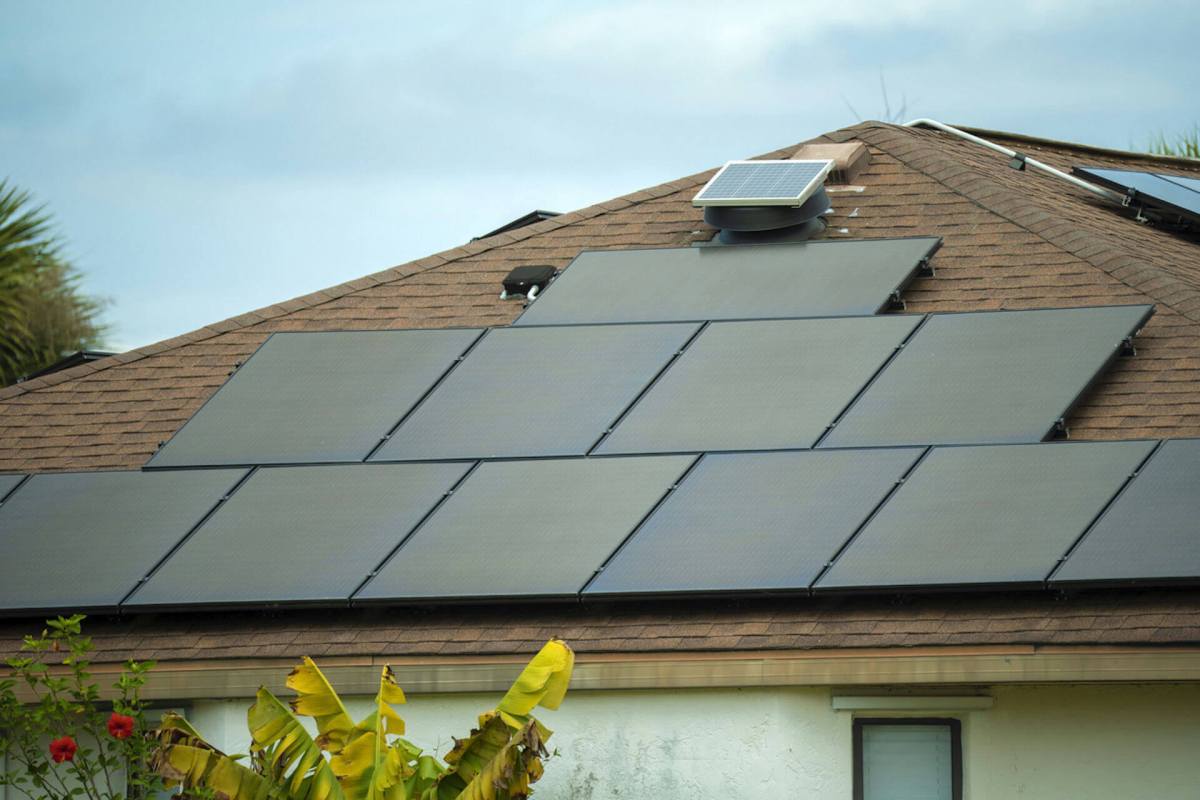
A Southern California solar owner who expected steady savings from a new solar-and-battery setup instead noticed a worrying drop-off: peak output had fallen by roughly 10% in just one year.
The homeowner took to Reddit's r/Solar community to ask whether others had experienced similar reductions and what they did to address them. The other Reddit users suggested the issue may have less to do with panel degradation and more to do with something much simpler: dust.
Here's what to know
According to the Reddit post, the owner thought the drop-off seemed unusually steep because they had read that annual degradation should be closer to 0.5%.
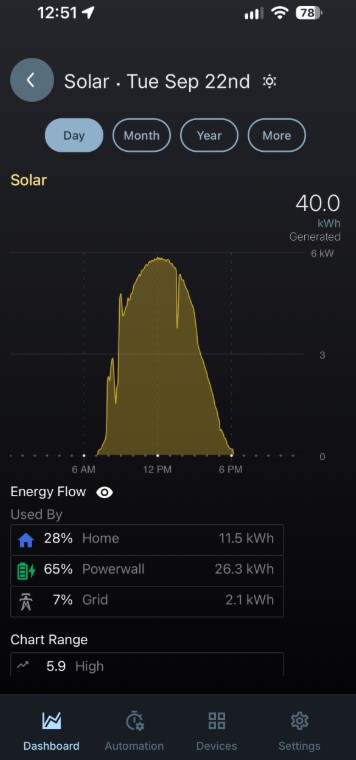
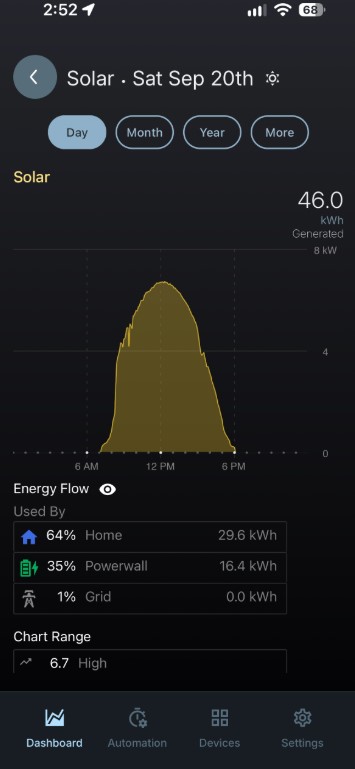
The original poster also said their 19-panel system with a Powerwall 3 was peaking at about 5.7-5.9 kW rather than the roughly 6.5-6.7 kW they had seen before, trimming clear September production by around 4-5 kWh.
When another user asked whether the panels had ever been cleaned, the OP replied: "No. My installer told me it wasn't really needed."
Shortly after that, dust buildup emerged as the likeliest explanation in the replies. One commenter said that "both not cleaning them and the normal vagaries of weather could easily account for 10%," while another wrote: "Wash your panels. It will help."
What can be done?
Before assuming there is a hardware defect, commenters suggested checking a few basics, like comparing output across the same month or season, inspecting for new shade, and looking for visible dirt buildup on the panels.
In a dry climate, careful cleaning, or even waiting for heavier winter rain, may help show whether dust is the real problem.
Save $10,000 on solar panels without even sharing your phone number Want to go solar but not sure who to trust? EnergySage has your back with free and transparent quotes from fully vetted providers that can help you save as much as $10k on installation. To get started, just answer a few questions about your home — no phone number required. Within a day or two, EnergySage will email you the best local options for your needs, and their expert advisers can help you compare quotes and pick a winner. |

Still, going solar remains one of the best ways to save money on home energy. If you're comparing options, EnergySage lets you get free solar installation estimates and compare quotes. With EnergySage's help, the average person can save up to $10,000 on solar purchases and installations.
EnergySage's solar map shows the average cost of a home solar panel system by state, along with details on solar incentives for each state, which can help homeowners get the best price for rooftop panels.
Plus, adding battery storage to a solar setup is one of the best ways to protect your home during outages, save money on energy, and go off-grid. Homeowners interested in that option can also explore EnergySage for information about home battery storage options, including competitive installation estimates.
Where can I learn more?
Dust, weather, and changing conditions can quietly chip away at rooftop solar output over time.
More From EnergySage
💡Go deep on the latest news and trends shaping the residential solar landscape

• Scientists found rainfall's cleaning power often falls short when pollen sticks to solar panels.
• Across the U.S., rooftop solar panels helped ease energy burdens for cash-strapped households.
• NREL scientists warned that extreme weather threats can steadily erode solar panel performance.

Get TCD's free newsletters for easy tips, smart advice, and a chance to earn $5,000 toward home upgrades. To see more stories like this one, change your Google preferences here.






