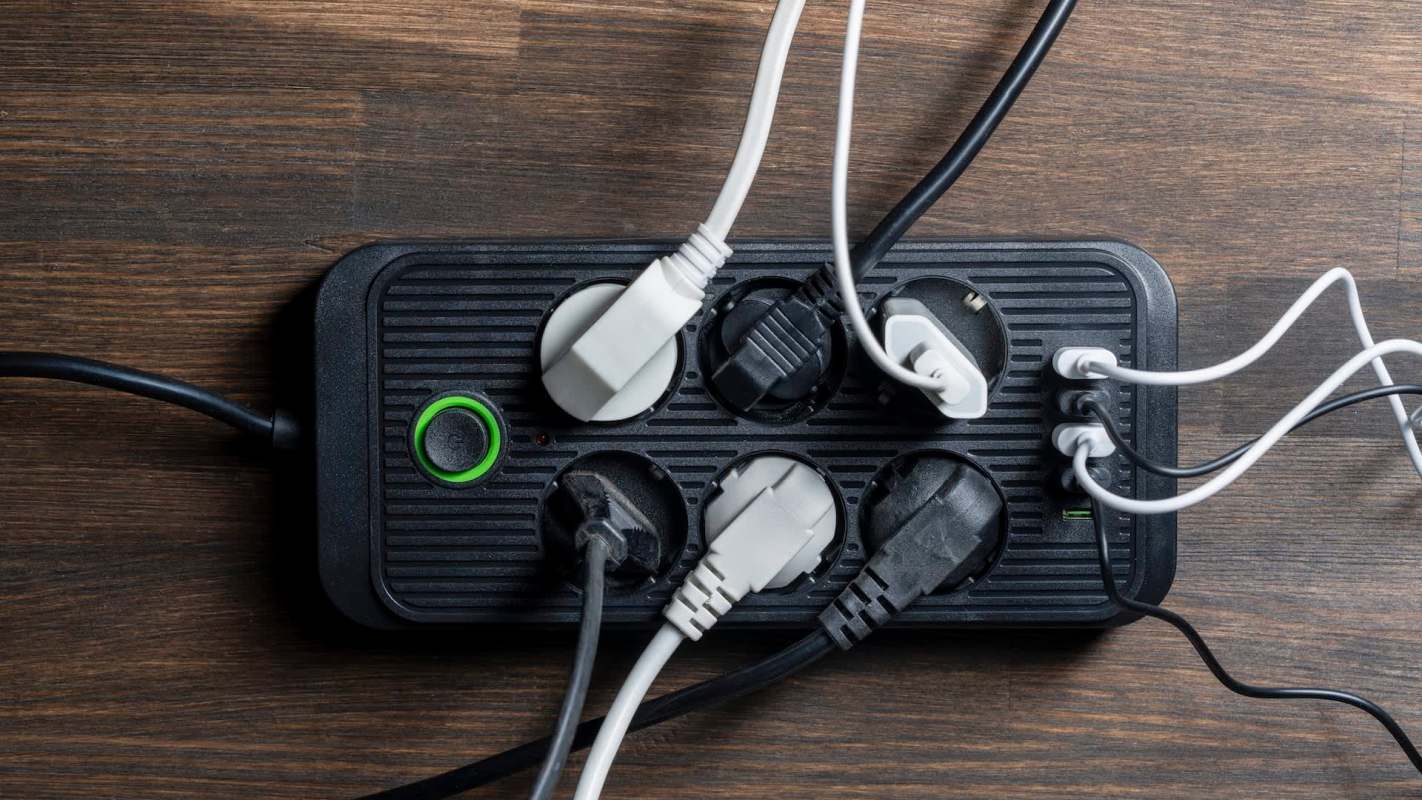
For some Octopus Energy customers, a brief spell of free or discounted power becomes a challenge in load-shifting as many electricity-heavy chores as possible into a tight time slot. Instead of spreading those jobs through the day, households are bunching them together during "happy hour."
One user's two-hour plan included cooking, charging devices and tools, running appliance cleaning cycles, using a dehumidifier, and somehow fitting in "3 cups of tea."
Here's what to know
In a Reddit thread, the original poster first asked: "I wondered how everyone is maxing out their happy hours. I've put in 2 hours today, here's my plan to be carried out by 2 people."
The schedule that followed jumped between charging batteries and equipment, cleaning with the vacuum and steam cleaner, running hot maintenance cycles for the washing machine and dishwasher, cooking meals in multiple ovens, ironing, and possibly wet-vacuuming the car.
"Reckon I can squeeze in 3 cups of tea," the poster added.
Elsewhere in the thread, people said they were using the window for EV charging, immersion-heated hot water, heat-pump boosts, and topping up home batteries.
One commenter reported, "21kwh across 2 hours."
Another wrote that EV charging combined with a house battery and immersion heater could "easily" hit the cap.
Save $10,000 on solar panels without even sharing your phone number Want to go solar but not sure who to trust? EnergySage has your back with free and transparent quotes from fully vetted providers that can help you save as much as $10k on installation. To get started, just answer a few questions about your home — no phone number required. Within a day or two, EnergySage will email you the best local options for your needs, and their expert advisers can help you compare quotes and pick a winner. |

The conversation also turned to how the tariff limit works, with users asking whether the cap was 16 kWh per hour and whether two booked hours could therefore allow 32 kWh total.
Going solar is also one of the best ways to save money on home energy over the long term. Homeowners can try EnergySage to get free solar installation estimates and compare quotes.
More background
A common theme in the replies was trying to line up several high-draw activities at once so the short session delivers maximum value.
Among the tasks mentioned were steam cleaning, hot service washes, and raising water temperatures with a heat pump or other system, all jobs that can feel expensive at normal rates. One commenter also said they had purposely left extra space in their battery overnight so they could export beforehand and recharge once the free period started.
More From EnergySage
💡Go deep on the latest news and trends shaping the residential solar landscape


Not everyone timed it perfectly. One commenter admitted, "I forgot to turn everything off after an hour so used 30 mins extra at a premium."
What can be done?
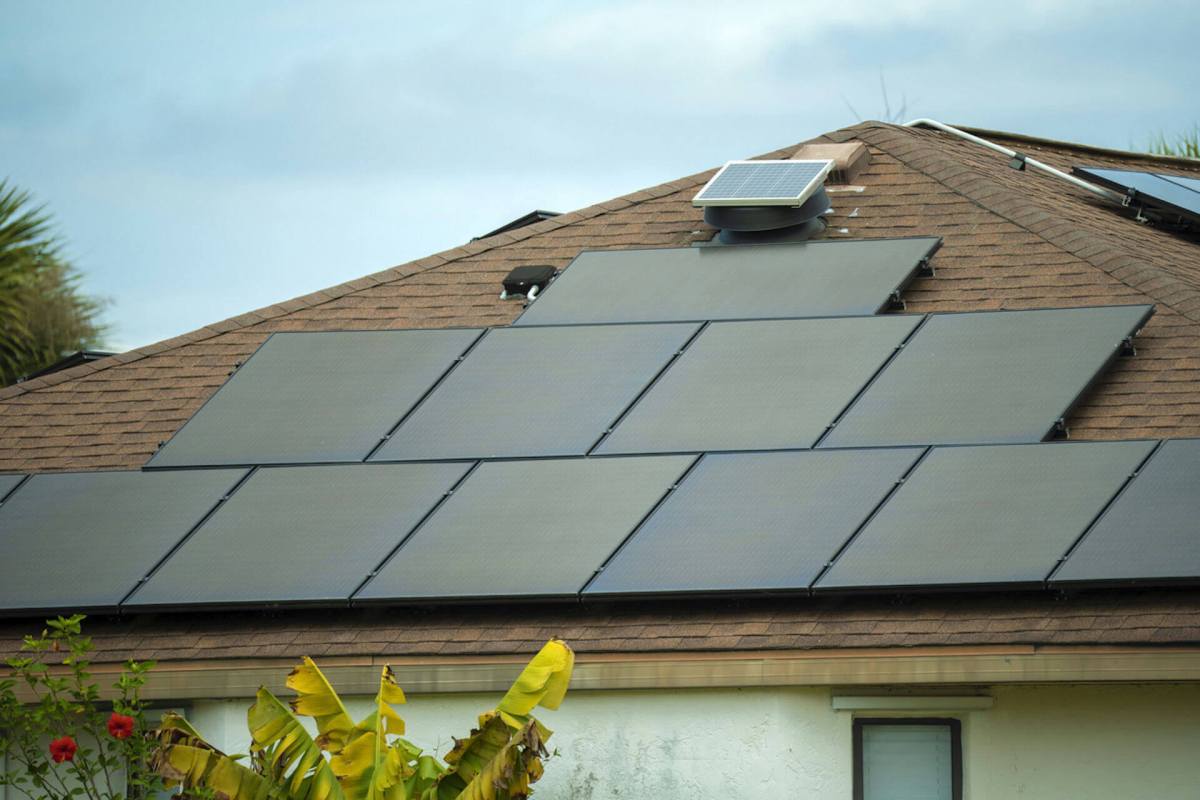
For homeowners looking for even bigger long-term energy savings, EnergySage's solar map shows the average cost of a home solar panel system on a state-by-state level, as well as details on solar panel incentives for each state. Together, those resources can help homeowners get the best price for rooftop solar panels and access available incentives.
With EnergySage's help, the average person can save up to $10,000 on solar purchases and installations. Adding battery storage to a solar setup is one of the best ways to protect your home during outages, save money on energy, and go off grid. You can also explore EnergySage for information about home battery storage options, including competitive installation estimates.
Another commenter joked, "Jeez I was just going to put a wash on, I'm doing it all wrong,"
Where can I learn more?
That same money-saving mindset shows up in plenty of other programs and tools for cutting household energy costs. These stories cover peak-time rebate programs, free efficiency gear, and laundry-saving habits.
• Dominion Energy gives customers a chance to lower their electric bills during forecast peak times.
• In Vermont, utility companies are giving away money-saving appliances to help households trim demand.
• Air-drying laundry can cut home energy use and shrink monthly electricity bills.

Get TCD's free newsletters for easy tips, smart advice, and a chance to earn $5,000 toward home upgrades. To see more stories like this one, change your Google preferences here.