


Most people in a UK preparedness forum are not planning for the end of the world. They are planning for a power outage, a freezing stretch of weather, or a stretch of rising grocery bills that makes everyday life harder.
That practical focus came through after a newcomer to r/UKPreppers asked, "what kind of scenarios are you personally prepping for, and do you truly believe it'll happen or are you just making sure you have all your bases covered?"
What members said
People most often described short disruptions, not collapse scenarios. Users mentioned a few days without water, gas, or electricity, winter weather that makes supermarket trips difficult, supply-chain hiccups, empty shelves, and the wish to avoid another round of panic-buying during a public-health emergency.
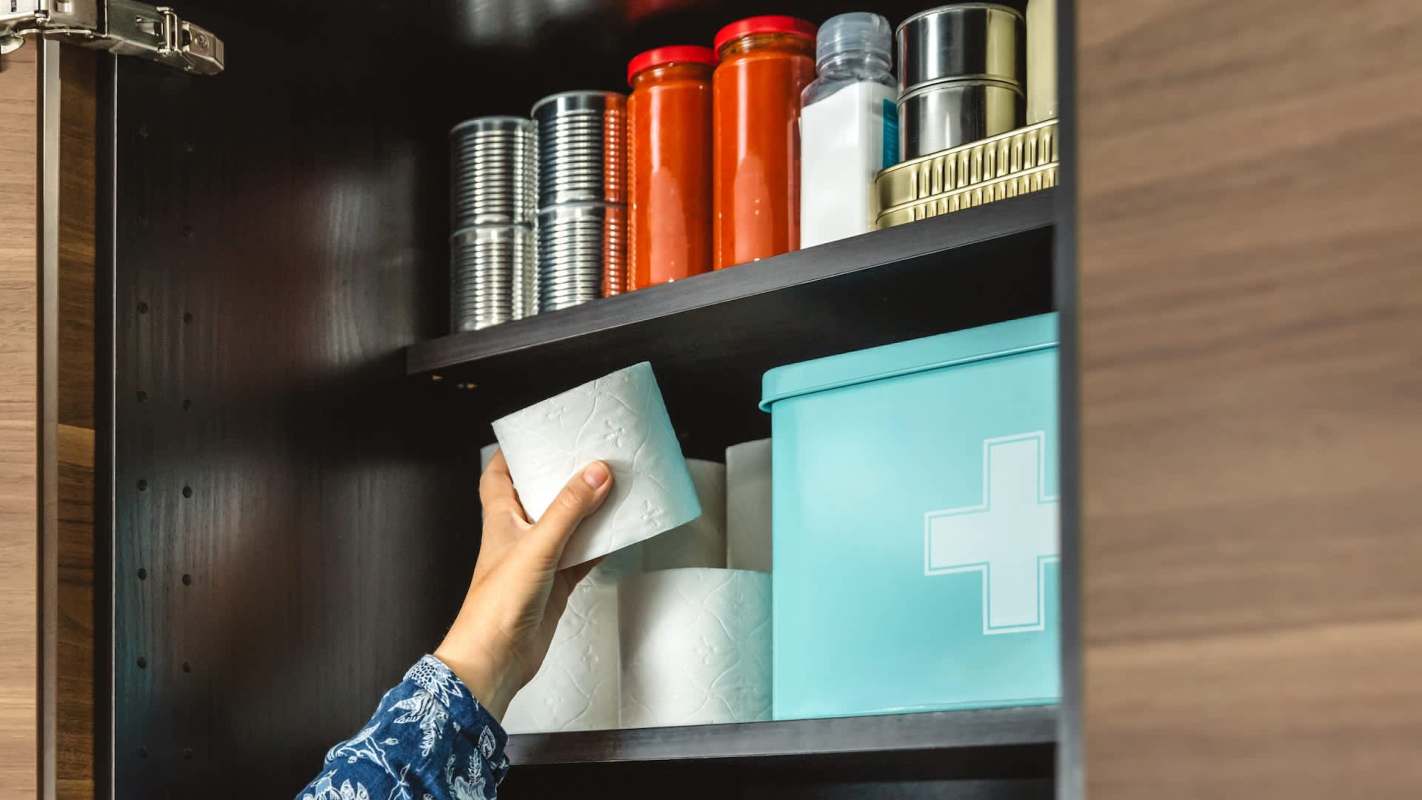
One user said, "The water, electricity or gas are off for a few days. A big winter storm and icy roads mean I don't want to go to the supermarket some week. Another pandemic is on the way, and I don't want to panic shop for toilet roll."
Many replies treated preparedness as normal household risk management, not a dramatic identity.
One user said they had been doing this since the Gulf War: "an insurance policy for the unexpected."
TCD Picks » Quince Spotlight
💡These best-sellers from Quince deliver affordable, sustainable luxury for all




Another said, "Food, Drink, light, sanitation and heat/cooking" for about seven days, while rotating supplies so they get used instead of wasted.
Common concerns
Many users were concerned about everyday life: storms, short utility failures, supply problems, and the rising cost of food and fuel.
Climate risk came up a couple of times, and so did food shortages.
One user said they were preparing for "Crop failure due to climate change," and others pointed to water shortages and sharp food-price increases linked to poor growing conditions. Those worries were often tied back to routine budgeting and the value of keeping a small buffer at home instead of depending on expensive last-minute shopping or fully stocked stores.
Starting small
The advice for beginners was generally incremental.
One user suggested keeping "Enough cash to see you through a very basic week," together with nonperishables, cleaning supplies, warm clothes, fuel, and especially water:
One user offered "chickpeas, olive oil, nuts, and rice" as a straightforward option because they are "Cheap, healthy, and high calorie."
Where can I learn more?
If blackout prep is the part you want to dig into, these stories look at how homeowners are thinking through backup power. They focus on home batteries, solar setups, and other ways people are preparing for routine power disruptions.
• In the Midwest, worsening outages are pushing households toward home battery backups instead of waiting it out.
• On Reddit, homeowners weighing blackouts said generators or solar panels could shape how manageable an outage feels.
• Across the US, homeowners are replacing old generators with next-gen backup options for longer outages.
• Utilities and installers say off-grid backup tech could help many US homes ride out blackouts.

Get TCD's free newsletters for easy tips, smart advice, and a chance to earn $5,000 toward home upgrades. To see more stories like this one, change your Google preferences here.






