


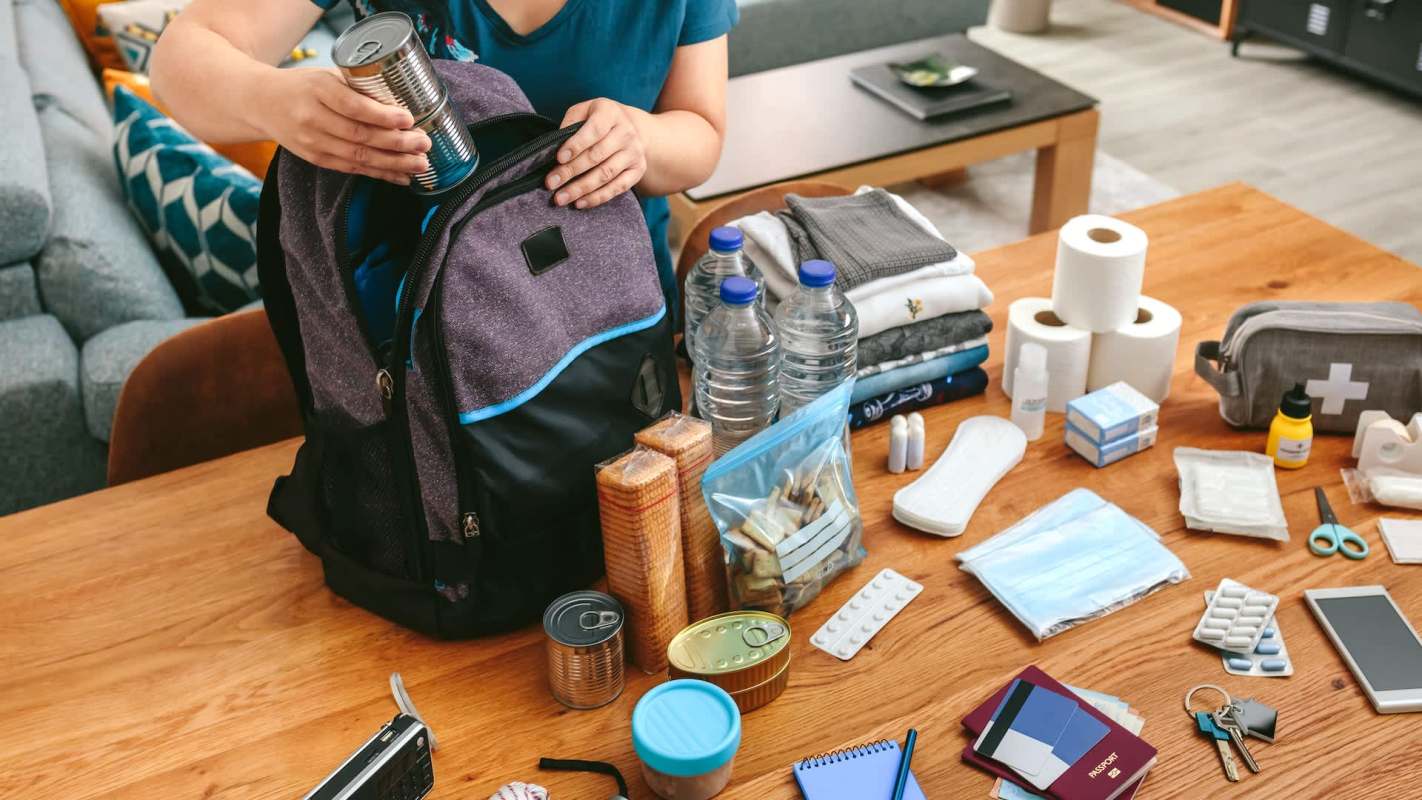
For many preppers, the focus is ordinary disruption, like storms, blackouts, and supply-chain problems.
But one longtime prepper now says that mindset is increasingly being replaced by end-of-the-world pessimism, and plenty of others agreed.
Here's what to know
In a Reddit thread on the site's r/TwoXPreppers community, the original poster warned that nonstop alarming headlines can throw people off balance. Their bottom line was simple: "The world is probably not going to end… We will persevere."
OP added that the internet can pile crisis on top of crisis faster than people can process, which can leave even preparedness-minded readers feeling powerless. Their advice was to step away when needed, pause before accepting claims that spark instant fear, and keep attention on practical preparations.
The subreddit's reaction was largely supportive.
One commenter said the key is figuring out whether "what you're looking at is actionable or not." After hearing about a refinery fire and outage, they filled their car and gas cans, then saw local fuel prices rise by about 70 cents.
TCD Picks » Quince Spotlight
💡These best-sellers from Quince deliver affordable, sustainable luxury for all




Retirement came up repeatedly as the more likely emergency. One commenter said old age is far more probable than a civilization-ending event, and the OP agreed that cashing out savings or retirement funds for extreme preps is a mistake because those accounts are the prep most people are most likely to need.
What can be done?
Commenters pointed to practical, high-probability habits, like keeping pantry supplies and emergency fuel current, building savings, and setting boundaries around doomscrolling. The OP added that they limit news and doomscrolling to 30 minutes a day, then move on.
As the OP put it, "The #1 best prep is taking care of yourself, both mentally and physically. It has never been so difficult to protect your mental health in this age of technology."
Of course, many people are trying to stay informed about wars, disasters, inflation, and political instability. But it's important to recognize the weight to those stories without letting the headlines take over lives or budgets.
For people with medical needs, commenters also suggested talking directly with doctors about prescription flexibility and backup options.
Where can I learn more?
These stories explore how to prepare for real disruptions without sliding into doomsday thinking.
• One daughter says her father's apocalyptic preoccupation shaped home life without becoming her worldview.
• A homeowner asked the internet how to prepare without breaking the bank first.
• Doomsday preppers told one homeowner to avoid a deadly appliance mistake in the basement.

Get TCD's free newsletters for easy tips, smart advice, and a chance to earn $5,000 toward home upgrades. To see more stories like this one, change your Google preferences here.






