


For people uneasy about growing instability but unable to afford a bunker, or even own a home, one question can quickly start to spiral: Is it smart to prepare, or am I overreacting?
That tension played out in a Reddit prepping forum when a renter asked whether they were "crazy" for wanting to get ready in case life becomes more chaotic.
Here's what to know
The original poster said they had "never had the money until now" and asked whether "now is the time to prepare," while also noting that renting limits how much they can do.
Most of the replies steered away from dramatic collapse talk and toward practical readiness.
"One of the best preps is free: educate yourself and have a plan," one commenter wrote. "[...] Disasters tend to rob us of options. Prepping is, at its core, about keeping options open."
Another reply focused on the basics of emergency self-sufficiency: households are often expected to make it on their own for at least three days during an evacuation and around two weeks at home. From that perspective, water, food, medication, hygiene items, and first-aid essentials come first — even while avoiding getting pulled into "doomer news."
TCD Picks » Quince Spotlight
💡These best-sellers from Quince deliver affordable, sustainable luxury for all




The takeaway from the thread was that preparedness can be about handling the kinds of disruptions that happen regularly, not just bracing for some cinematic end-of-the-world scenario.
More background
Across the discussion, commenters kept returning to a "prepping for Tuesday" mindset instead of expensive stockpiles or survivalist gear. In practice, that meant being ready for things like illness, job loss, storms, power outages, or suddenly needing to leave home.
That framing is especially relevant for renters, who may not be able to install backup systems, store large amounts of equipment, or make structural upgrades.
Several commenters also framed preparedness as much a money issue as a supply issue. One commenter described cutting debt, sticking to a budget, and building an emergency fund as "financial prep," noting that cash can help cover hotel stays, car repairs, relocating, or time away from work.
What can be done?
Commenters most often advised taking a gradual, realistic approach. Rather than spending heavily on flashy gear or branded emergency food, they suggested adding an extra shelf-stable item or two during normal grocery runs.
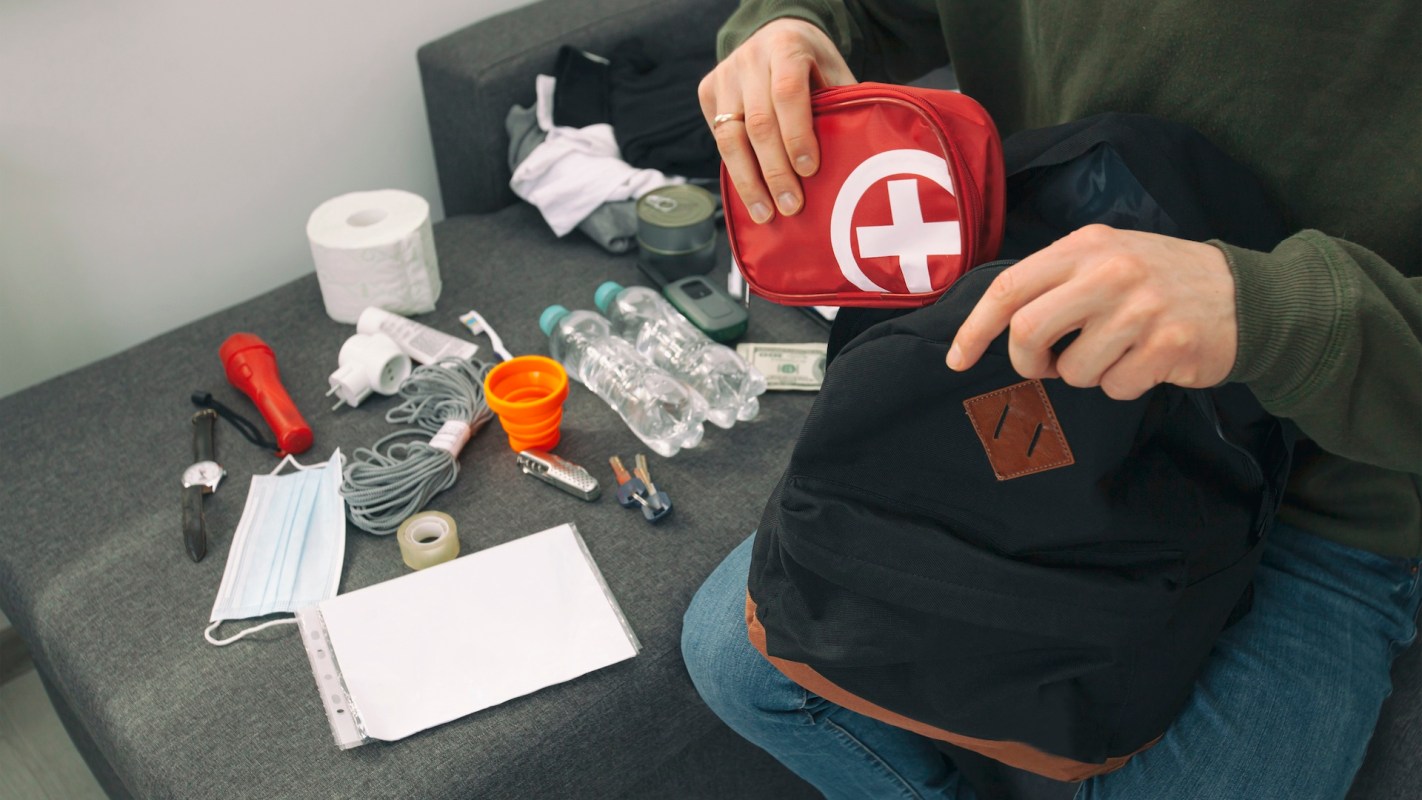
Other low-cost steps included keeping a pantry you actually rotate through, setting aside first-aid supplies and over-the-counter medication, making sure flashlights and spare batteries are available, and getting important documents in order. Another suggestion was to keep a basic "go bag" with clothes, toiletries, cash, and contact information.
They also emphasized preparing for the risks most likely in your area. Wildfire readiness differs from hurricane or earthquake readiness, so the first step, commenters said, is figuring out which disruptions matter most locally.
Where can I learn more?
For more on that practical, non-doomsday approach to preparedness, these articles dig into what it can look like in real life. They cover affordable emergency planning, realistic prep advice, family tensions around survivalism, and financial gaps in disaster readiness.
• On Reddit, a homeowner looked for preparing for emergencies affordably without draining their budget.
• A long-time prepper stressed you don't need expensive gear to handle disasters.
• Preppers discussing an abrupt crisis kept returning to do the same as now.
• One adult child described apocalyptic preoccupation at home without inheriting a prepper father's fears.
• Bankrate found many women homeowners face alarming preparedness gaps after past disasters.

Get TCD's free newsletters for easy tips, smart advice, and a chance to earn $5,000 toward home upgrades. To see more stories like this one, change your Google preferences here.






