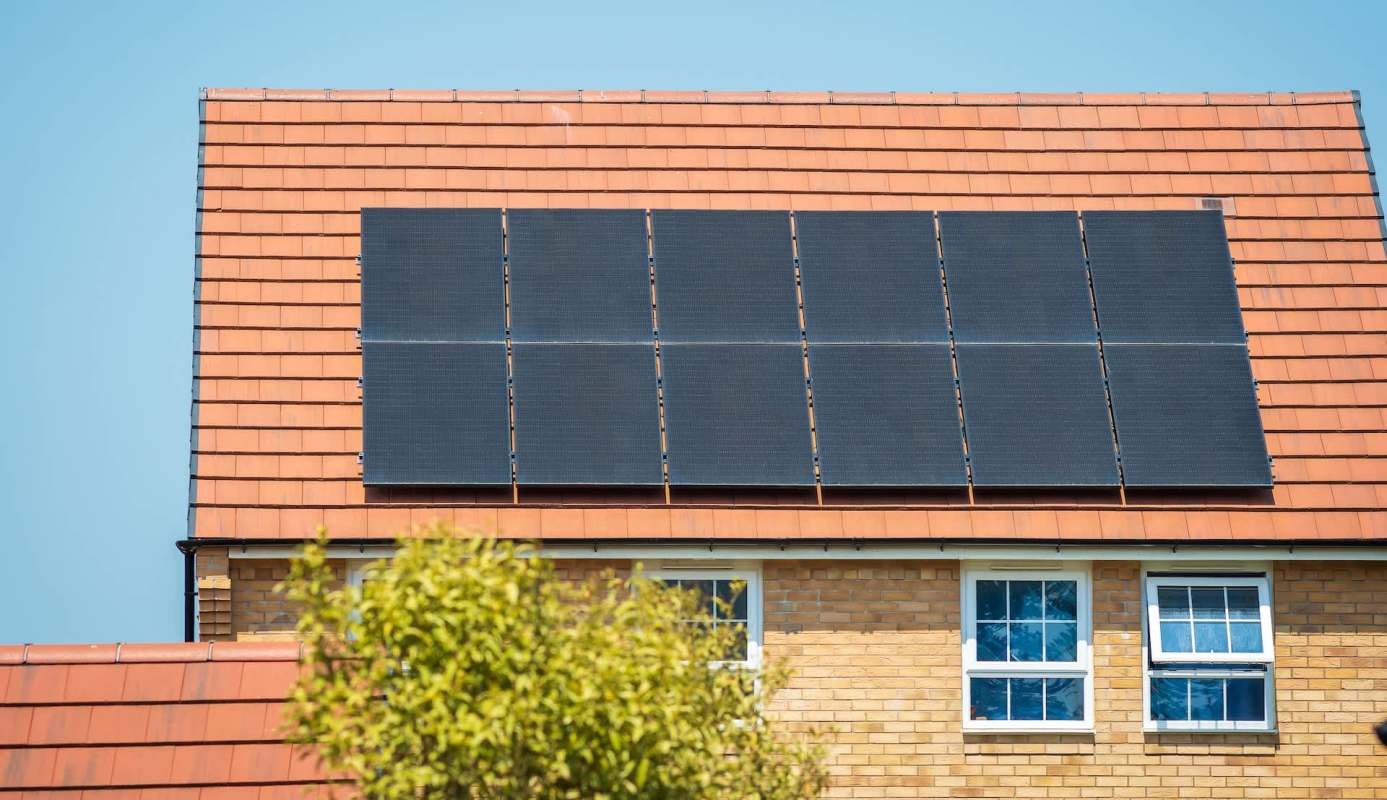
For homeowners wondering whether solar panels and battery storage can really cut electric bills, one U.K. setup offers a striking early example.
In its first month, it produced more than 1 megawatt-hour of power and needed only 12 kilowatt-hours from the grid.
The system went live on Sept. 1, after the sunniest stretch of summer had already passed.
Here's what to know
In a post on r/SolarUK, the original poster said the system, 15.98 kWp across 34 Jinko panels with a 12-kW Sigenergy inverter and 17.52 kWh of battery capacity, topped 1 MWh in its first month.
Since the system went live on Sept. 1, the household said it had imported only 12 kWh from the grid, used more than 453 kWh at home, and sent over 539 kWh back out.
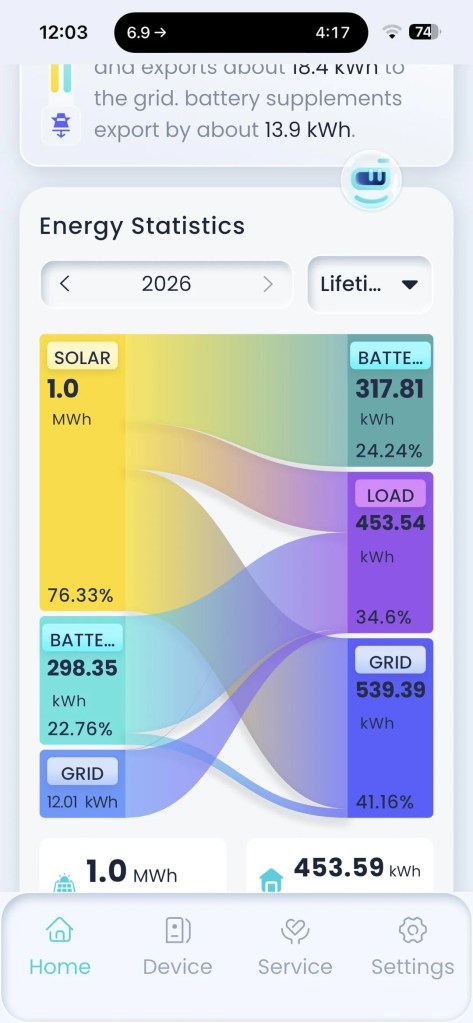
While waiting for Optimise, the homeowner said Eon v3 Export was paying 13 pence per kWh for exported electricity, and a one-hour battery export event earned £6 (~$7.94 USD). The strongest generation day was 60.39 kWh, and the highest export day was 48.53 kWh.
Going solar is one of the best ways to save money on home energy, especially when a system can cover most of a household's daily electricity needs. Homeowners who want to compare options can try EnergySage to get free solar installation estimates and compare quotes.
More background
With enough storage, a home can use more of its own electricity after sunset, reduce exposure to higher utility rates, and even earn extra money by exporting surplus power at strategic times.
Save $10,000 on solar panels without even sharing your phone number Want to go solar but not sure who to trust? EnergySage has your back with free and transparent quotes from fully vetted providers that can help you save as much as $10k on installation. To get started, just answer a few questions about your home — no phone number required. Within a day or two, EnergySage will email you the best local options for your needs, and their expert advisers can help you compare quotes and pick a winner. |

"The battery storage has probably been my favourite part of the setup," the original poster wrote.
In a follow-up comment, the original poster added that the pair of batteries is rated for 9.2 kW of continuous charging and discharging.
One sticking point for other solar owners was export limits.
A commenter wrote, "Every time I see one of these my 3.68 export limit grinds my gears all over again," pointing out how local grid rules can restrict how much power households can send back.
More From EnergySage
💡Go deep on the latest news and trends shaping the residential solar landscape


What can be done?
Adding battery storage to a solar setup can protect your home during outages, save money on energy, and support off-grid use.
It also gives homeowners more control over when to use their power and when to sell it back. If you're exploring options, EnergySage offers information on home battery storage, including competitive installation estimates.
For shoppers still comparing costs, EnergySage's solar map shows the average cost of a home solar panel system by state, along with details on solar panel incentives for each state.
Together, those resources can help homeowners get the best price for rooftop solar panels and access available incentives.
EnergySage can also help you decide whether solar is worth the upfront investment. With EnergySage's help, the average person can save up to $10,000 on solar purchases and installations.
Where can I learn more?
For more examples, these stories show how homeowners and communities use solar and batteries to cut bills and earn from excess power.
• In Australia, a 20-kW solar setup made blackouts invisible and delivered a $545 monthly credit.
• One homeowner said it took my breath away when rooftop panels slashed a soaring bill.
• In England, residents raised £440,000 (~$582,060 USD) for the first community-owned battery to save solar power.

Get TCD's free newsletters for easy tips, smart advice, and a chance to earn $5,000 toward home upgrades. To see more stories like this one, change your Google preferences here.