


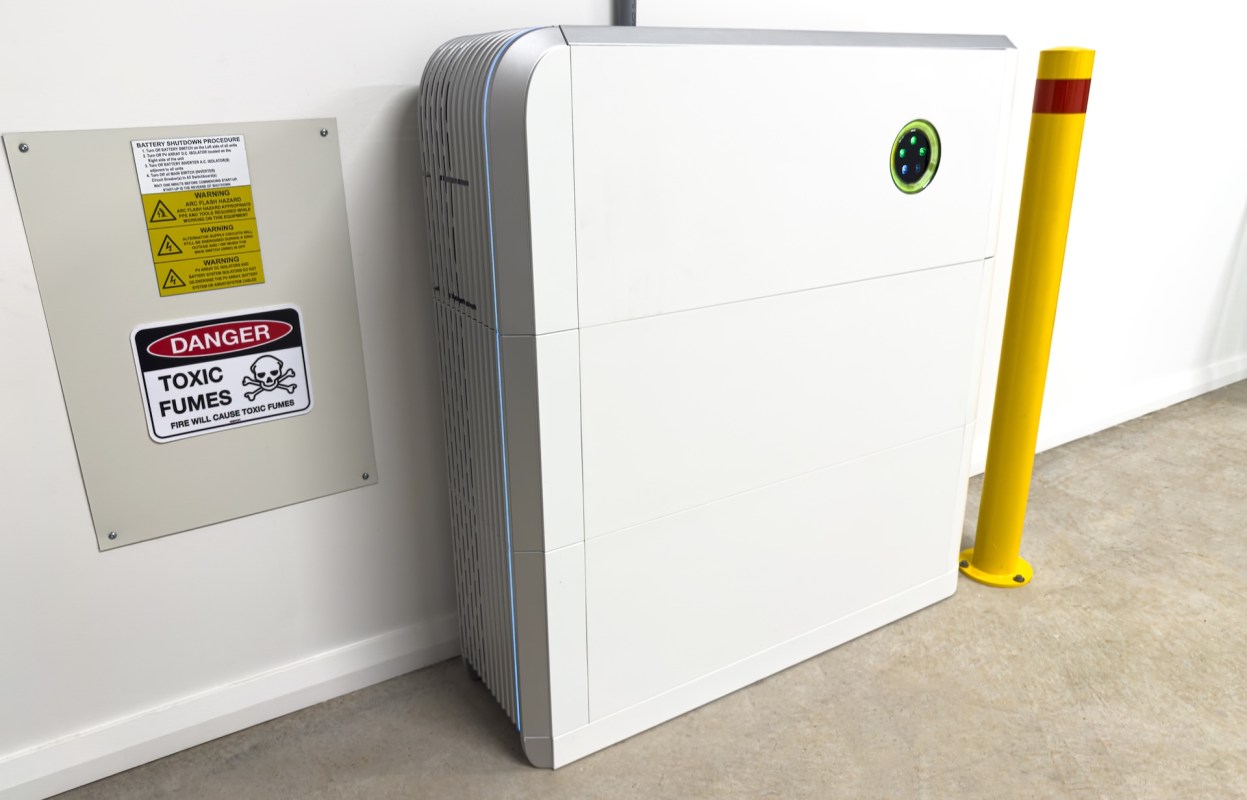
A U.K. homeowner who installed a battery system in the garage expected the usual benefits of home energy storage, such as greater control over household power use.
Instead, one of the biggest surprises came with cold weather: The setup also appeared to warm the space like a radiator.
Here's what to know
In a Reddit thread, the homeowner described an unexpected side effect.
"I had my SigenStor inverter and batteries installed in my garage. I feel I got a great heating radiator for free," they wrote.
They also said the garage had become "much warmer" as the weather cooled and suggested that, in the U.K.'s "gloomy" climate, an indoor battery can have an added benefit.
Battery systems and inverters can give off heat while operating, whether from normal conversion losses or temperature management. If the equipment is installed in a garage, workshop, or utility space instead of outdoors, some of that warmth may stay inside the building.
TCD Picks » Quince Spotlight
💡These best-sellers from Quince deliver affordable, sustainable luxury for all




People detailed similar experiences throughout the thread.
"Same in my tool shed/workshop," one user wrote. "Very mild versus pre-install and therefore dryer so better for tools, everything stored there."
Another commenter said, "This isn't even something I'd considered but definitely a bonus for my garage."
"Nice to know. I've just had a Fogstar installed in my garage, which is also used for a gym. 5 a.m. training sessions get a bit nippy in the winter, so hopefully this will help!" a third person noted.
More background
Electrification projects can bring small lifestyle upgrades that do not always show up in a savings calculator, such as a more comfortable garage, a less damp workshop, or a space that needs less supplemental heating.
The "free radiator" idea also drew skepticism, though. One commenter said the warmth was really "electricity that you've 'lost'" adding that, in some cases, an internal heater may be what keeps batteries within their operating range.
"It's more about putting the battery indoors v.s. outdoors," the original poster responded. "The electricity needed for the battery to operate is the frictions you have to pay as part of having a battery system anyway. But putting the battery indoors, you could recoup the heat from the frictions for good use."
Safety also came up in the discussion. After someone asked, "At what point does it change from heater to fire risk?" another commenter wrote: "It is worth making sure the ends of cables near terminations aren't persistently over the rated temperatures. That's your major fire risk."
What can be done?
For homeowners considering a battery system, the location of equipment can affect more than just convenience. Putting it in a garage or workshop may mean some of the operating heat is useful during cold months, even if that same effect could be a downside in hot weather.
A slightly warmer, drier garage gym, workshop, or storage area could mean less need for a heater and may also protect tools or stored items from damp conditions.
Where can I learn more?
If that warmer-garage bonus caught your attention, other home energy upgrades can bring similar comfort perks.
• Across Europe, families could save thousands as rooftop solar and heat pumps cushion energy shocks.
• In a New England winter, one homeowner showed their heat pump works even in bitter cold.
• More homeowners are finding that heat pump water heaters can trim bills despite upfront costs.
• EnergySage is giving homeowners their own expert energy advisers to compare heat pump upgrades.

Get TCD's free newsletters for easy tips, smart advice, and a chance to earn $5,000 toward home upgrades. To see more stories like this one, change your Google preferences here.






