


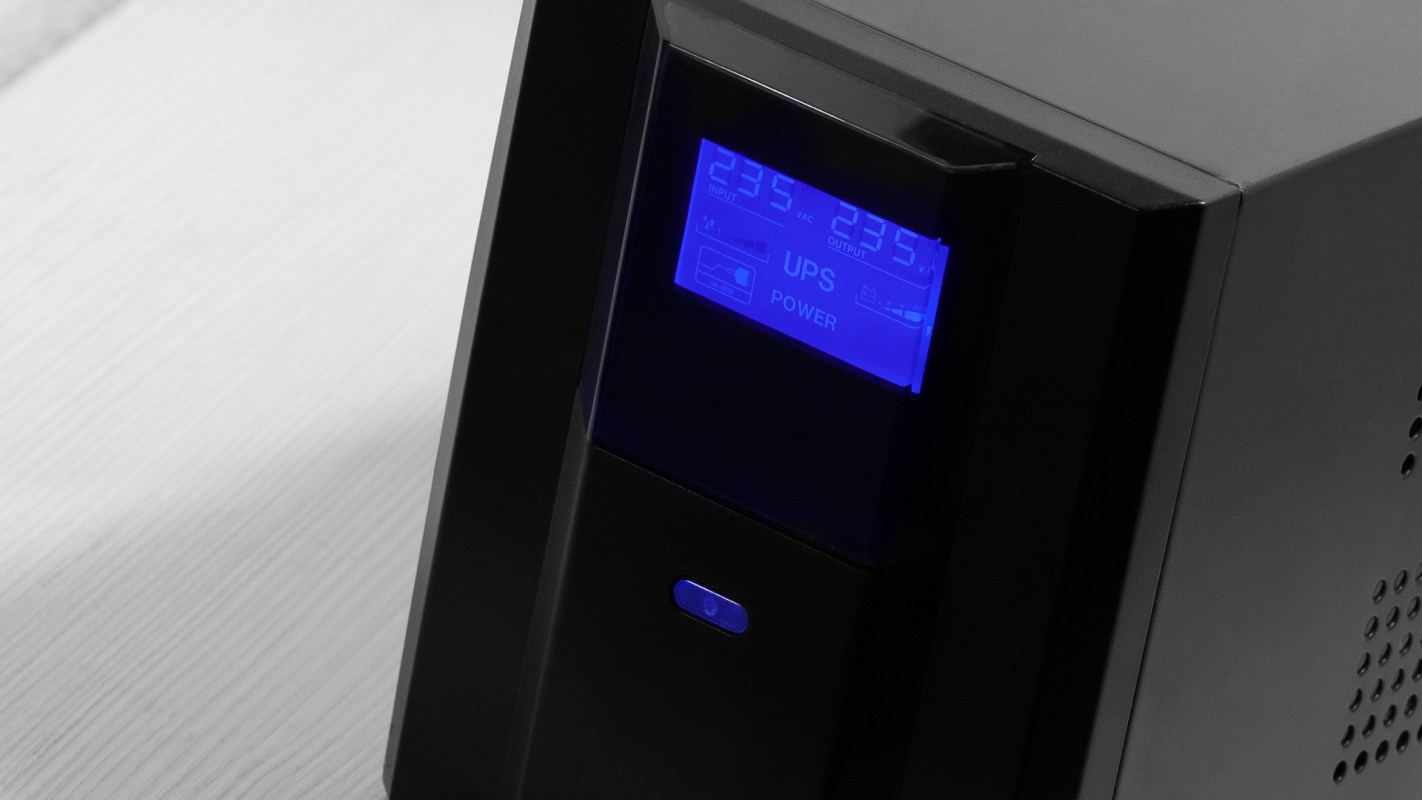
For homeowners dealing with frequent power blips, the most expensive fix is not always the smartest one.
One Reddit poster who works from home began looking into a roughly $5,000 whole-home backup system after repeated 30-second outages caused them to lose internet access, meetings, and unsaved work.
However, fellow Redditors said a far less expensive setup may be the better solution.
Here's what to know
The original poster explained on Reddit that the interruptions hit at least once a month and sometimes several times in a single week.
"The power outages will be something like 2-3 mini outages in succession lasting about 30 seconds each," the OP wrote.
They compared buying several $200 to $300 uninterruptible power supplies, or UPS units, with installing a larger backup system for the whole house.
Most replies steered them away from a housewide solution.
One commenter wrote, "You need a battery backed ups for your modem/router and pc, not a whole home generator. … a small lithium ion ups will bridge that gap instantly so your internet doesn't drop."
Save $10,000 on solar panels without even sharing your phone number Want to go solar but not sure who to trust? EnergySage has your back with free and transparent quotes from fully vetted providers that can help you save as much as $10k on installation. To get started, just answer a few questions about your home — no phone number required. Within a day or two, EnergySage will email you the best local options for your needs, and their expert advisers can help you compare quotes and pick a winner. |

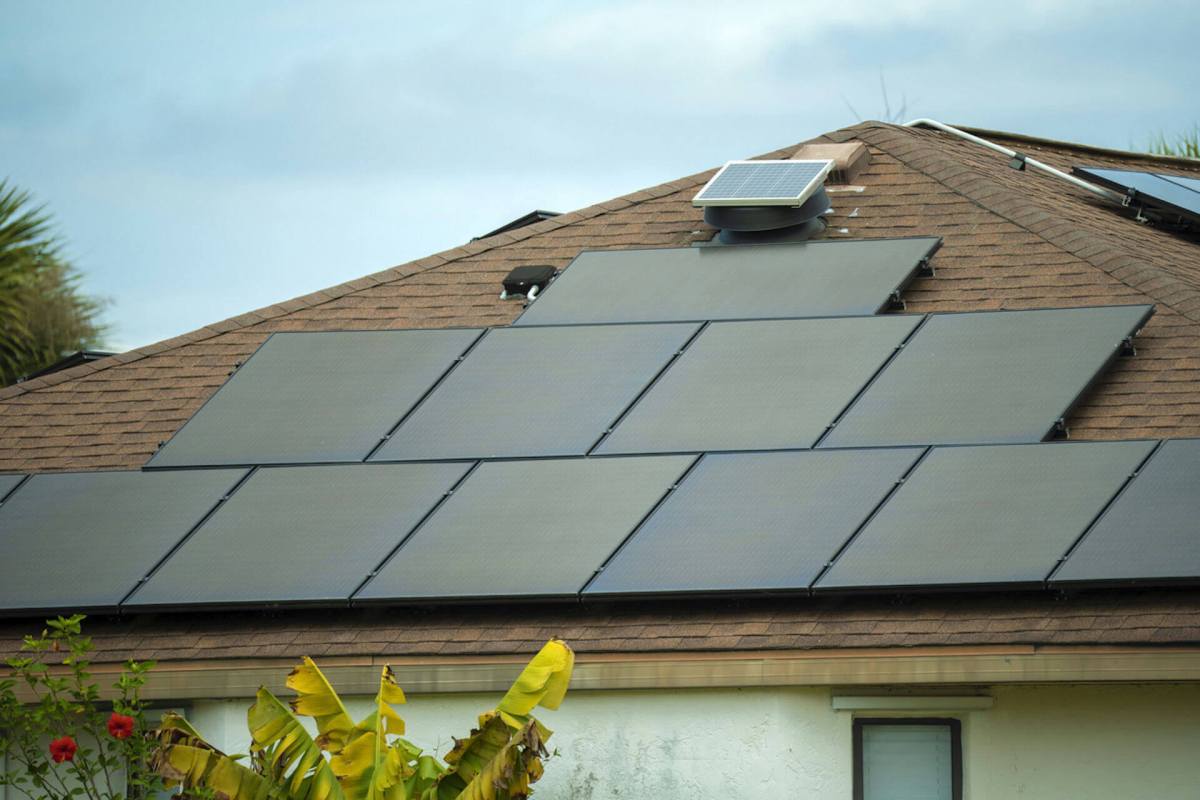
If you're thinking bigger, going solar is one of the best ways to create more reliable home energy. You can use EnergySage to get free solar installation estimates and compare quotes.
More background
Another common point in the responses was that a whole-home backup system would not necessarily eliminate the quick blips that were causing the trouble.
"Overkill actually won't solve your problem, though — whole house backups still have power blips, because making things truly uninterruptible is its own set of tradeoffs," one commenter wrote.
The pricing discussion also highlighted how fast backup-power costs can escalate.
More From EnergySage
💡Go deep on the latest news and trends shaping the residential solar landscape


One commenter suggested a Tesla Powerwall, but another said a system they priced came to about $50,000. An electrician in the thread described a cheaper middle option, saying a portable generator with a generator inlet plug and lockout kit could fit under the OP's $5,000 budget. A permanent automatic generator system would likely cost much more.
What can be done?
For anyone also worried about longer outages, commenters suggested building in layers. Use UPS units for sensitive electronics, and add a portable generator or home battery system for longer blackouts.
For homeowners considering a larger energy upgrade, EnergySage can be a useful place to start. With EnergySage's help, the average person can save up to $10,000 on solar purchases and installations. EnergySage's solar map shows the average cost of a home solar panel system by state, along with details on solar panel incentives for each state. Together, these resources can help homeowners get the best price for rooftop solar panels and access available incentives.
Adding battery storage to a solar setup is one of the best ways to protect your home during outages, save money on energy, and go off grid. Homeowners can explore EnergySage for information about home battery storage options, including competitive installation estimates.
Where can I learn more?
If you're deciding between a UPS and a larger backup setup, these perspectives could help you determine what's right for you.
• Anker's home backup tech rivaling Tesla aims to keep essentials running when outages hit.
• Energy experts say the most inexpensive backup for short outages may be portable.
• Pila Energy is building seamless home batteries that switch on without the usual hassle.
• Generac is betting generators, batteries, and solar can work together for whole-home resilience.
• Palmetto-backed plans are helping homeowners install home backup batteries without upfront costs.

Get TCD's free newsletters for easy tips, smart advice, and a chance to earn $5,000 toward home upgrades. To see more stories like this one, change your Google preferences here.






