


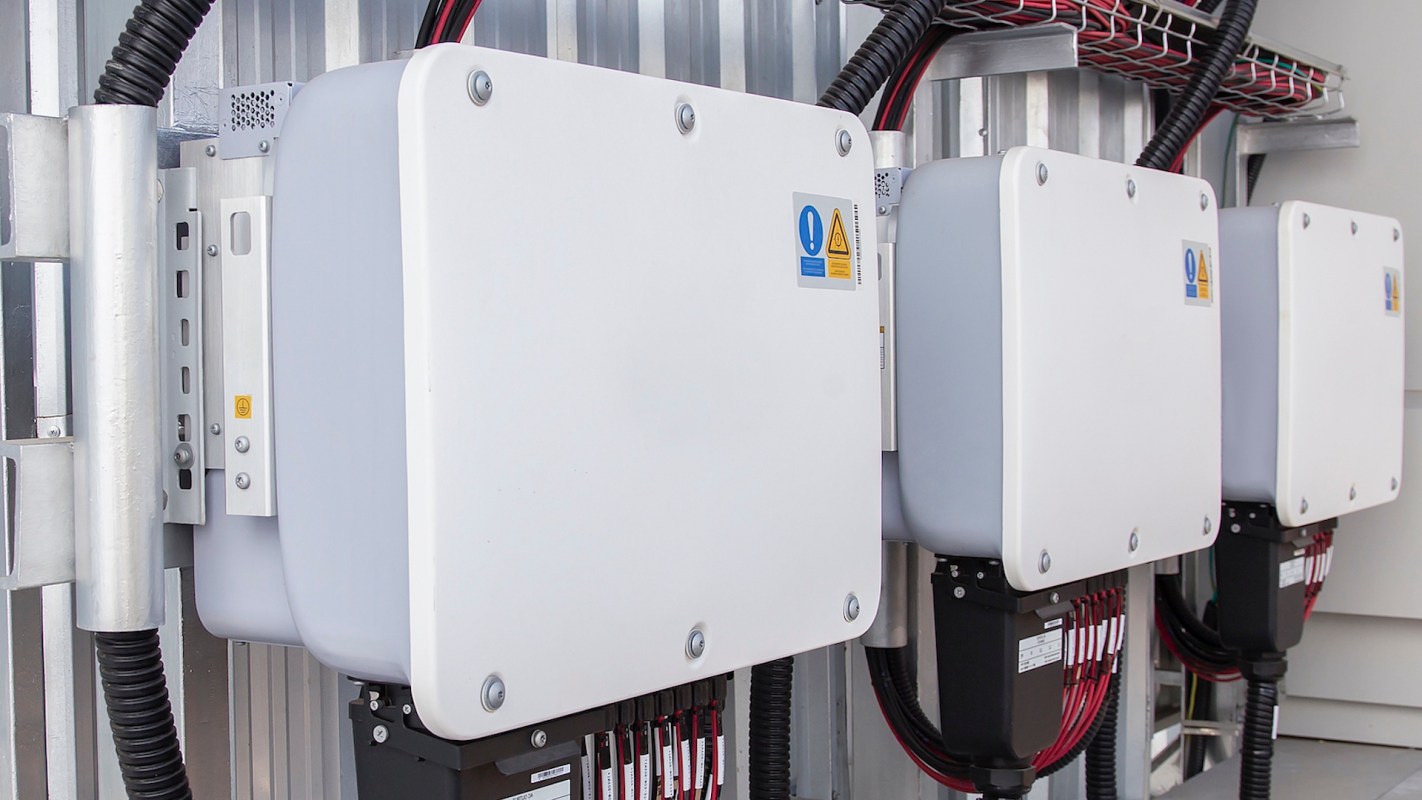
A Santa Fe, New Mexico, homeowner looking for a simple backup power solution during outages instead received a quote for four batteries — and came away questioning the company's sales pitch.
Here's what to know
According to a post on Reddit, the homeowner already had solar installed and was trying to back up lighting, food storage, and a well pump during blackouts, but the consultation moved from a mention of one battery to a quote for four.
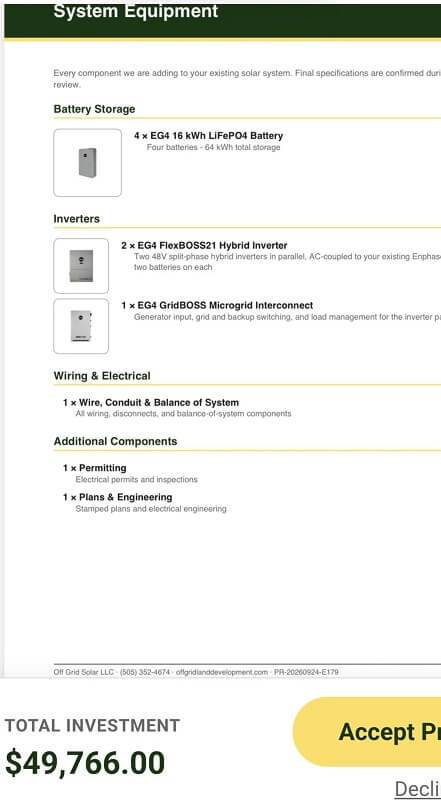
The homeowner said, "A person came to the house who seemed like they had zero knowledge, they weren't able to answer direct questions and felt evasive."
Other users largely agreed that the proposal sounded oversized for the homeowner's limited backup goals.
One user said, "This person took their shot at you being a sucker."
Another user said, "If you already have PV installed and working properly, this is a ripoff."
One user suggested a smaller transfer-switch setup paired with a dedicated solar generator, adding, "It would be around/less than 10k and it would cover your use case just fine."
Going solar is one of the best ways to save money on home energy, but only if the numbers add up. Homeowners comparing systems can try EnergySage to get free solar installation estimates and compare quotes before committing.
Save $10,000 on solar panels without even sharing your phone number Want to go solar but not sure who to trust? EnergySage has your back with free and transparent quotes from fully vetted providers that can help you save as much as $10k on installation. To get started, just answer a few questions about your home — no phone number required. Within a day or two, EnergySage will email you the best local options for your needs, and their expert advisers can help you compare quotes and pick a winner. |

More background
A recurring theme in the discussion was the difference between planning for whole-home backup and planning only for essential circuits. For a household that mainly wants to keep refrigeration, lights, water, and a few outlets working during an outage, users said the setup would be different from one meant to run the full home overnight.
Several commenters put numbers to that idea.
One suggested aiming much lower, writing, "For backup you want about 10kwh battery that'll last you for the night and allow the solar to provide power during the day."
Another added that the homeowner would likely need "a separate, critical loads panel that the inverter will feed from the battery."
More From EnergySage
💡Go deep on the latest news and trends shaping the residential solar landscape


What can be done?
The first step is figuring out exactly what must stay powered during an outage. Once that list is clear, it becomes easier to decide whether a modest battery, a critical loads panel, or a larger whole-home setup makes the most financial sense.
Adding battery storage to a solar setup is one of the best ways to protect your home during outages, save money on energy, and go off-grid. Homeowners interested in those options can explore EnergySage for information about home battery storage, including competitive installation estimates.
EnergySage can also be especially useful for avoiding inflated quotes. With EnergySage's help, the average person can save up to $10,000 on solar purchases and installations. Meanwhile, EnergySage's solar map shows the average cost of a home solar panel system on a state-by-state level, plus details on incentives in each state — resources that together can help homeowners get the best price for rooftop solar panels and access available savings.
After hearing from other users, the homeowner said the feedback confirmed what their own window-shopping had already suggested: "Thank you everyone for the nearly unanimous confirmation that when I idly window shopped I was coming up tens of thousands cheaper."
Where can I learn more?
Questions about right-sizing battery backup come up a lot when homeowners compare solar add-ons. Other homeowners in similar situations have weighed whole-home storage, skipped batteries altogether, or looked for cheaper ways to add backup power.
• On Reddit, solar owners said full-home backup plans can be overkill for routine outages.
• SunPower and Palmetto are pushing home backup batteries with financing instead of upfront costs.
• In Australia, one homeowner said blackouts became invisible after installing a 20-kilowatt solar setup.
• In Utah, Rocky Mountain Power's grid-connected backup program helped households add solar batteries.

Get TCD's free newsletters for easy tips, smart advice, and a chance to earn $5,000 toward home upgrades. To see more stories like this one, change your Google preferences here.






