


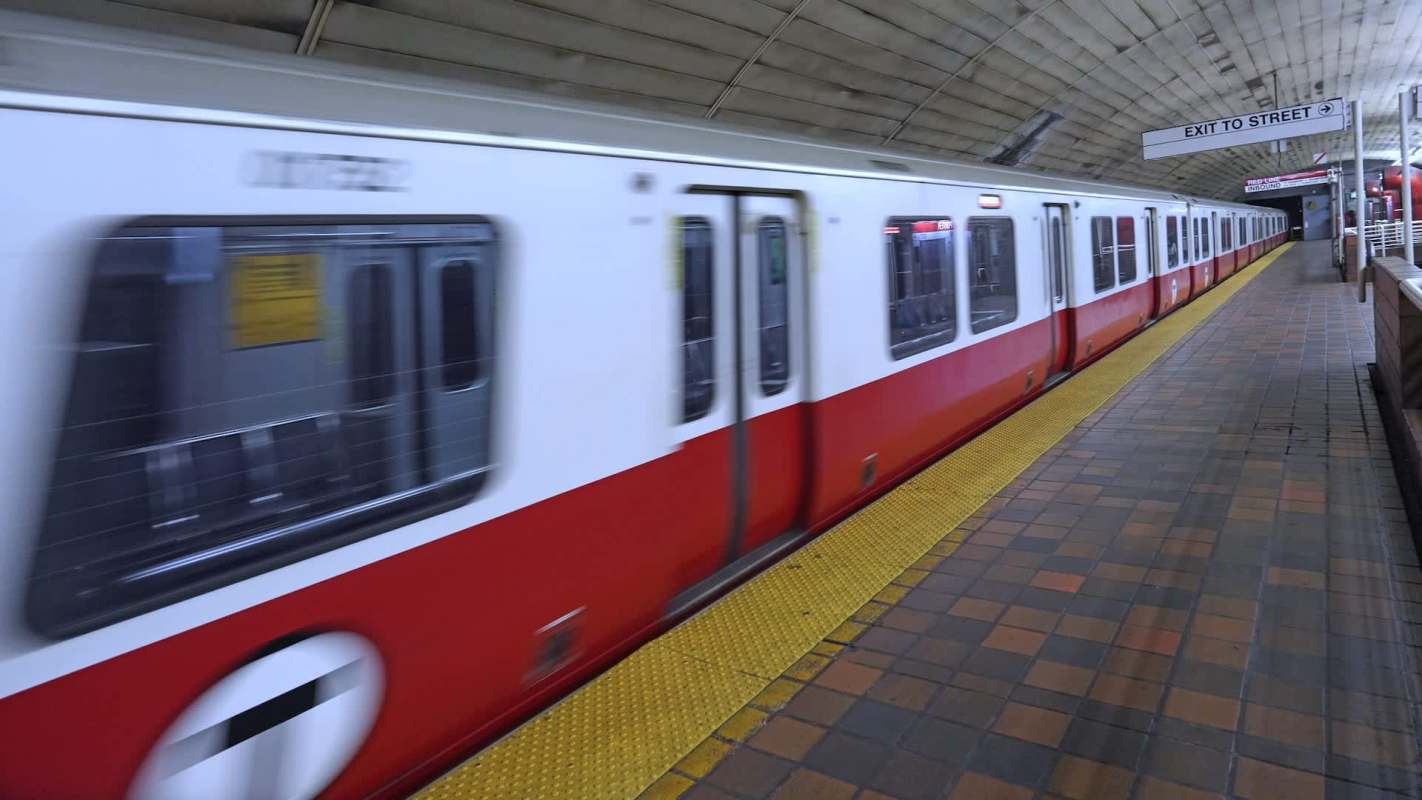
The cost of running Massachusetts' commuter rail is climbing sharply, and that trend could affect how fast the region shifts toward cleaner, more dependable transit.
By June 2025, the MBTA had paid operator Keolis about $5.2 billion. The Boston Globe reported that Brian Kane, executive director of the MBTA Advisory Board, has estimated that the next contract could top $10 billion, raising tough questions about service and long-promised rail upgrades.
Here's what to know
When the MBTA signed its 2014 agreement with Keolis, the contract was expected to cost $4.2 billion if it lasted the full 12 years. By June 2025, however, the agency had already paid nearly $1 billion more than that, and additional costs for fiscal year 2025 were still unresolved.
For workers, students, and families across eastern Massachusetts, the commuter rail remains a key connection. It also helps reduce car dependence, traffic, and tailpipe pollution, so if operating costs keep rising, the MBTA may have less room to expand the frequent, all-day regional rail service that would make transit practical for more riders.
Kane has estimated that the next operating contract, which would run for nine years, could exceed $10 billion. Three bidders are competing: Keolis, a group called Mass Regional Rail, and a separate partnership between Transport UK and TransDev.
Joe Aiello, former chair of the MBTA Fiscal and Management Control Board, said the financial landscape has changed since the 2013 bidding process.
TCD Picks » Quince Spotlight
💡These best-sellers from Quince deliver affordable, sustainable luxury for all




"We've had COVID. We've had supply chain issues. We've had inflationary pressure," he said.
More background
According to the Globe, the MBTA approved more than $100 million in change orders during the current contract for work outside the original agreement, including station maintenance, late-night pilot service, South Coast Rail-related work, and federally required anti-collision technology.
Keolis had initially been expected to spend about $20 million a year on modernization projects such as track, signal, and platform work. But according to Keolis estimates cited by the Globe, that amount has risen to $140 million. In fiscal year 2025, the MBTA paid Keolis $640 million for operations, maintenance, and capital improvements.
As expenses grow, it becomes harder to preserve and improve service. Jeff Morales, a partner at transportation firm InfraStrategies, said, "You either pay it or cut service."
What's being done?
The upcoming contract includes a one-year validation period, allowing the winning operator to revise its cost estimate after taking a closer look at the fleet and tracks.
Meanwhile, the MBTA has added midday and weekend commuter rail service, ordered 163 new commuter rail cars, and kept moving ahead with Fairmount Line electrification. The agency's goal is a fully electrified regional rail system with stronger all-day service, though it estimates that buying electric cars and upgrading the lines they use could cost as much as $20 billion.
Current union agreements already include wage increases in 2027, and all three bidders have promised fair wages and additional sick time for workers.
Massachusetts still faces the challenge of funding a system that can safely carry thousands of people while also supporting a less congested, lower-pollution future.
Kate Dineen, president of A Better City, said: "Everyone understands the imperative to get this right."
Where can I learn more?
The rising cost of commuter rail is part of a broader debate over how to build cleaner, more reliable train service. These stories cover MBTA electrification on the Fairmount Line, private and public rail expansion plans, and the costs of building or buying new train systems.
• In Boston, the MBTA's Fairmount Line battery-electric train project could replace diesel service.
• Across the Northeast, private high-speed rail plans aim to challenge car and air travel.
• In Spain, high-speed rail construction costs helped build a globally competitive train industry.
• In Morocco, Hyundai Rotem's next-generation train contract will expand modern intercity rail service.

Get TCD's free newsletters for easy tips, smart advice, and a chance to earn $5,000 toward home upgrades. To see more stories like this one, change your Google preferences here.






