


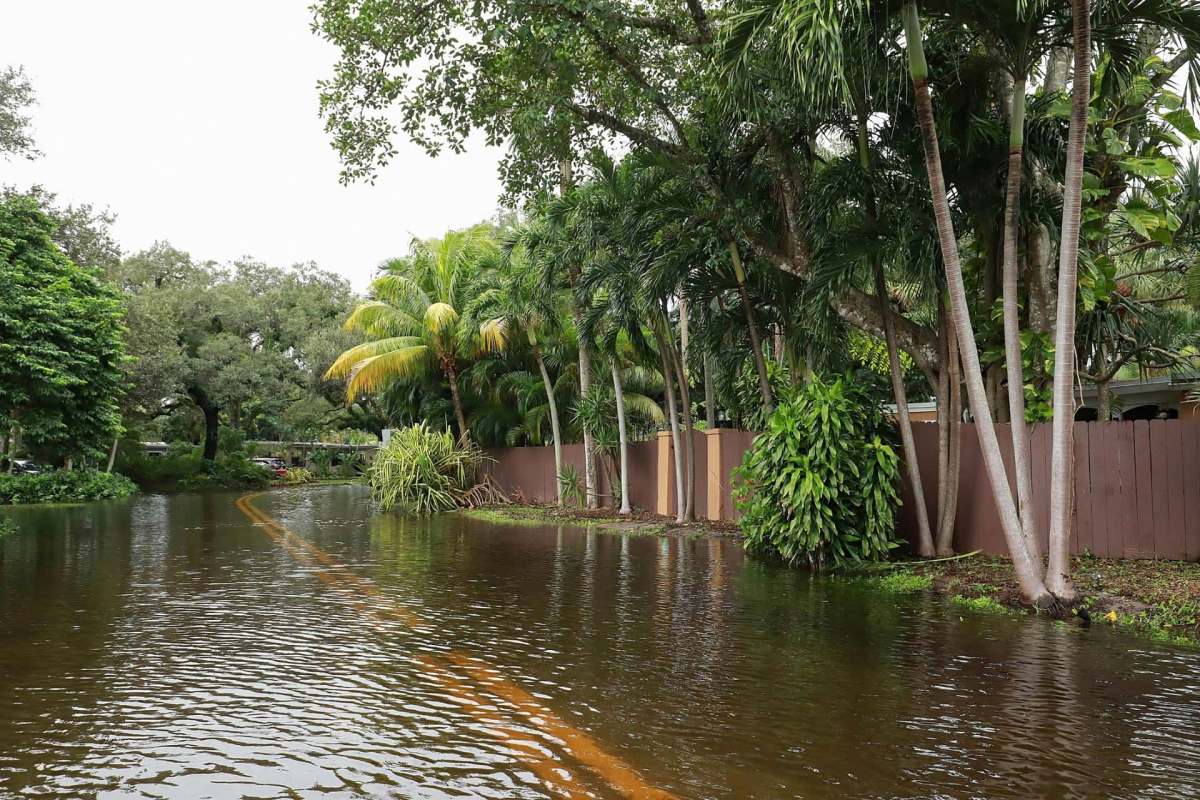
Another king tide cycle is sending seawater onto South Florida roads and public areas. For people who live near the coast, it's an expensive, familiar headache.
In Fort Lauderdale, the flooding closed part of A1A. For drivers, the bigger worry is what salt water can do to a car.
Here's what to know
Flooding on Sept. 27 prompted Fort Lauderdale police to close A1A from East Sunrise Boulevard to Northeast 14th Street, the South Florida Sun Sentinel reported. WSVN said other king tide trouble spots included Hollywood's Boardwalk, sections of Fort Lauderdale, and the area around Northwest 79th Street and 10th Avenue in Miami-Dade.
The Miami Herald reported that high tide at Broward's Port Everglades on Sept. 27 was roughly two feet higher than normal. Robert Molleda, meteorologist in charge at the National Weather Service's Miami office, described the flooding as an "above-average" event.
Forecasters expected the water to pull back by midday, with high tide set to return near 9:30 p.m. and again on the morning of Sept. 28.
Sammy Hadi, lead meteorologist with the same office, warned motorists to stay off flooded streets, noting that salt water can damage cars.
TCD Picks » Quince Spotlight
💡These best-sellers from Quince deliver affordable, sustainable luxury for all




More background
King tides are especially high tides that occur when the sun, moon, and Earth align in ways that pull ocean water higher than usual. In low-lying places such as South Florida, that can mean seawater backing up onto streets, sidewalks, and beachfront areas even without a tropical storm.
Even when the water recedes within hours, the costs can linger. Saltwater is particularly corrosive, so driving through it can damage brakes, electronics, and other car parts.
What can be done?
Unlike a puddle after a rainstorm, seawater can speed corrosion and damage vehicle systems long after the drive is over.
At the community level, road closures and public warnings remain the first line of defense during king tide events. Long-term fixes for repeat flooding include improving drainage and elevating vulnerable roads.
As Hadi put it, "You do not want to drive your car through it."
Where can I learn more?
For a closer look at the risks tied to king tides and coastal flooding, these stories cover sea-level rise, flood threats to roads and infrastructure, storm flooding in Florida, and shoreline resilience efforts.
• Along California's coast, massive king tides returned, offering a visceral preview of rising seas.
• Scientists say urban coastal areas face severe flood risk as sea levels rise.
• During Storm Debby, Florida officials warned residents to stay off the roads.
• A weakening Atlantic current is causing the U.S. coastline to flood, threatening homes and infrastructure.
• In Florida, oyster reefs held through hurricanes, bolstering shoreline resilience against rising seas.

Get TCD's free newsletters for easy tips, smart advice, and a chance to earn $5,000 toward home upgrades. To see more stories like this one, change your Google preferences here.







