


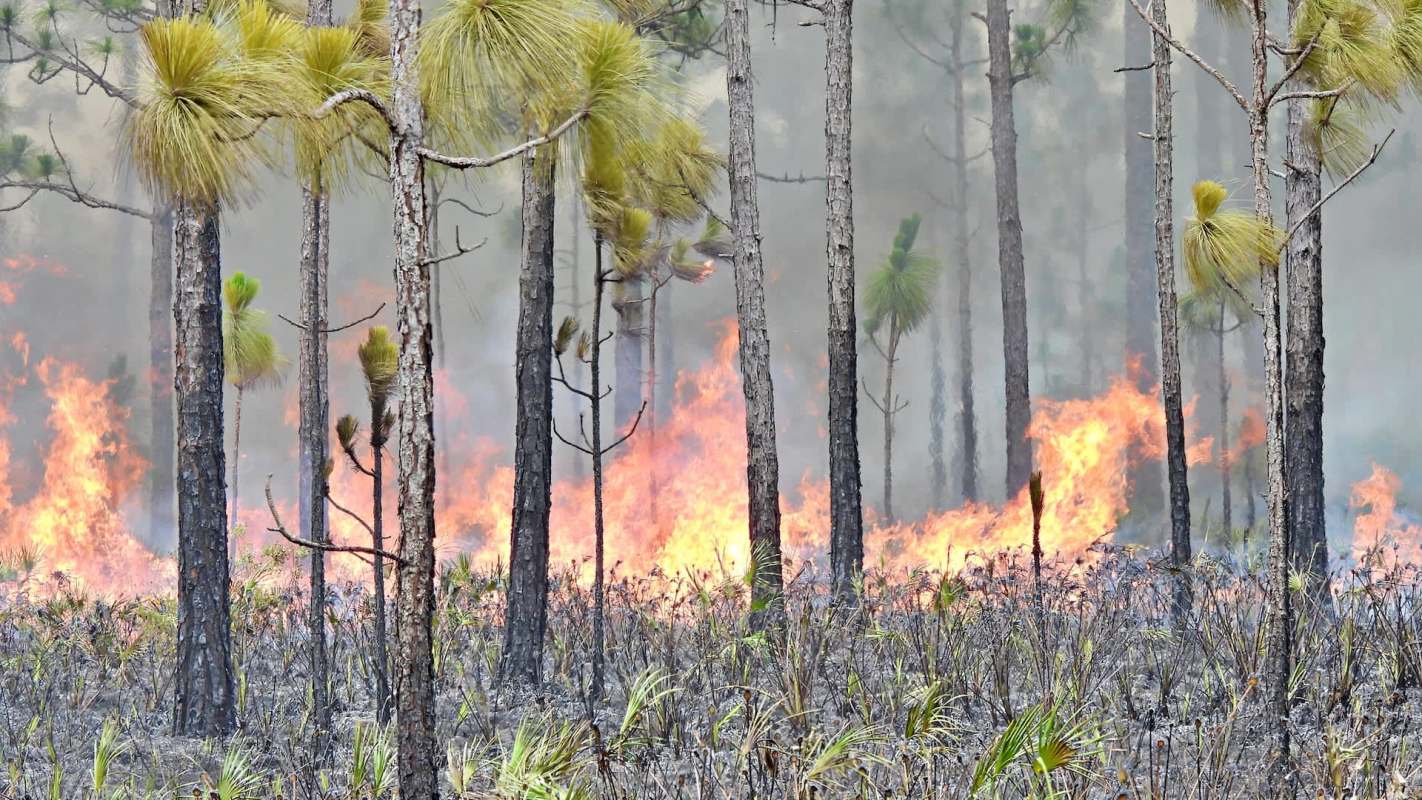
In the Everglades, a 400-acre wildfire in western Broward County is the latest sign of how quickly heat and dryness can turn vulnerable terrain into a fire zone, adding to worries in a region already battered by unusually harsh weather.
Here's what to know
The 3 Alpha Sierra fire is currently burning across the Everglades and the Francis S. Taylor Wildlife Management Area. As of Sept. 29, the Florida Forest Service reported that the blaze had burned 400 acres and was 80% contained.
Nationwide, over 57,000 fires have burned more than 8.5 million acres since Jan. 1, USA Today reported, citing the National Interagency Fire Center. In Florida, more than 2,900 wildfires have been recorded since January, scorching more than 200,000 acres.
The Miami-South Florida office of the National Weather Service said an exceptionally hot summer, combined with below-average rainfall, left parts of South Florida exceptionally dry.
The U.S. Drought Monitor has similarly found the state quite dry, with most of Florida (54.52%) under drought conditions as of Sept. 15. And Broward County is faring worse than the state as a whole, with 100% of the county under drought conditions (also as of Sept. 15). The U.S. Drought Monitor is now reporting that at least 11 million Floridians live within the state's current drought areas.
More background
The National Weather Service said summer heat records fell in both Fort Lauderdale and West Palm Beach, each of which logged its hottest summer on record, while Miami matched its 2023 mark, per USA Today. In Fort Lauderdale and West Palm Beach, those records stretch back more than a century, highlighting just how unusual the weather there is.
TCD Picks » Quince Spotlight
💡These best-sellers from Quince deliver affordable, sustainable luxury for all




These fire disasters damage ecosystems, threaten homes and infrastructure, worsen air quality, and strain emergency response systems. And their impacts should not be taken lightly. Wildfires can also disrupt travel, outdoor work, tourism, and local business activity, while smoke exposure can be especially dangerous for children, older adults, and people with asthma or heart and lung conditions.
Where can I learn more?
To get a fuller picture of how wildfire, drought, and smoke are affecting Florida and beyond, check out these stories.
• In South Florida, smoke from Everglades fires pushed officials to warn residents about being outdoors.
• In Big Cypress National Preserve, a 25,000-acre wildfire spread through swampland as dryness deepened.
• Across the Carolinas, heightened fire risk followed drought swings and flooding whiplash.

Get TCD's free newsletters for easy tips, smart advice, and a chance to earn $5,000 toward home upgrades. To see more stories like this one, change your Google preferences here.







