


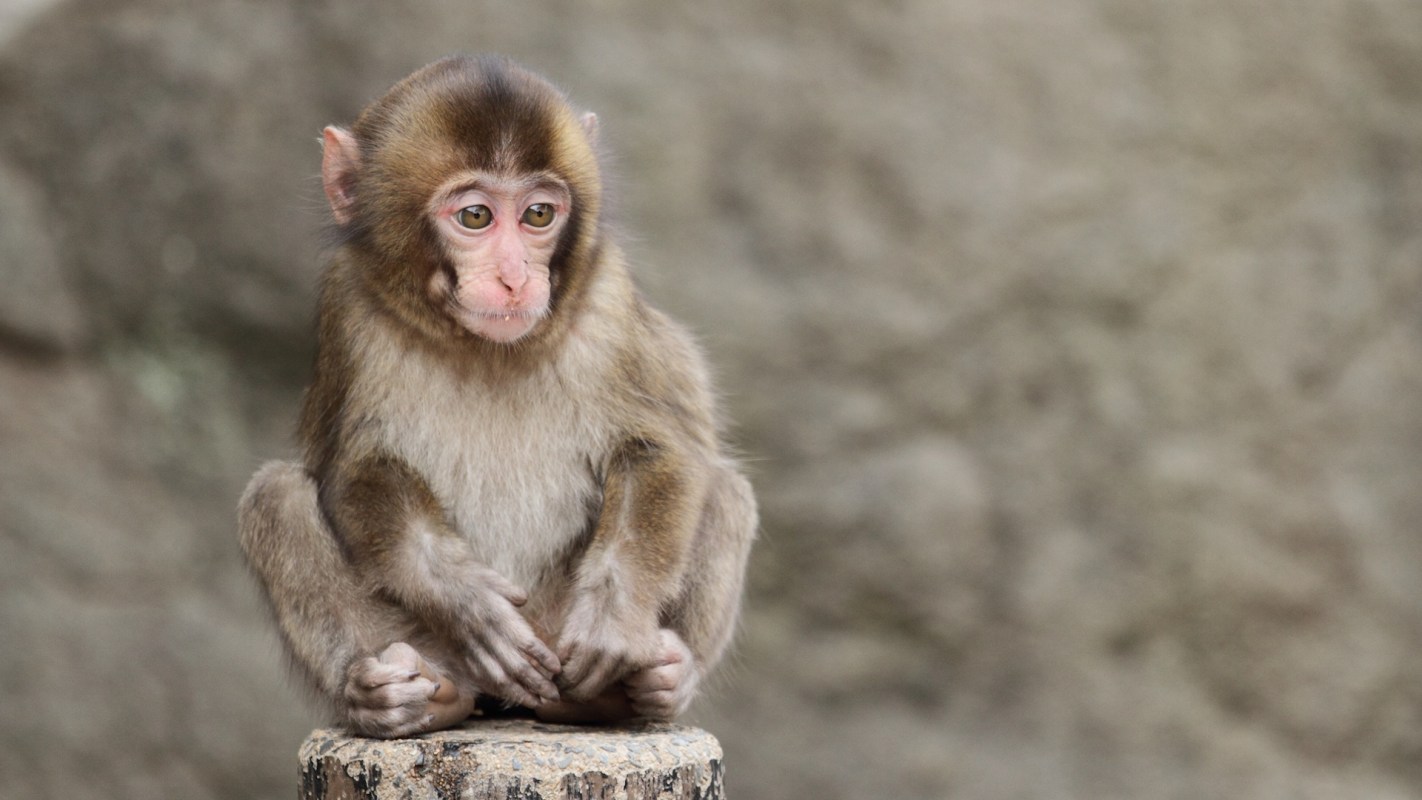
For Tosya, a Barbary macaque who spent his life in a cage built for guinea pigs, rescue has opened the door to more than freedom.
One of the clearest signs of that change came after he was saved, in a small but powerful moment when he reached for a rescuer's hand, showing a bit of trust.
Here's what to know
An Instagram post shared by The Dodo (@thedodo) tells the story of Tosya, a Barbary macaque who was rescued after being kept in a petting zoo enclosure that was far too small for him.
The post states, "Tosya had spent his life confined to a tiny guinea pig cage at a petting zoo before he was finally rescued." After that, Drs. Valentina and Leonid of @vet.crew began helping him adjust to a life unlike anything he had known before.
His progress shows up in a series of modest but meaningful changes, including moving through space more freely, noticing the world around him, and looking to his caregivers for reassurance.
Among those moments, the one that stands out most is a quiet display of comfort: the macaque holding a rescuer's hand.
TCD Picks » Quince Spotlight
💡These best-sellers from Quince deliver affordable, sustainable luxury for all




More background
Barbary macaques are intelligent, highly social primates.
Animals like Tosya need room to move, stimulation to engage their minds, and an environment suited to their species — not a cramped cage designed for much smaller animals.
This is not only about one rescue, but also about how poor captivity conditions can slowly take away mobility, enrichment, and the chance to behave naturally.
Petting zoos and roadside animal displays can vary widely in how they house and treat animals, and public attention often plays an important role in bringing welfare concerns to light.
When a wild animal's smallest act of comfort feels extraordinary, it is often because its basic needs went unmet for far too long.
What can be done?
For animals already in harmful situations, the most immediate help often comes from rescue groups, veterinary professionals, and sanctuaries equipped to provide species-appropriate care.
In Tosya's case, Drs. Valentina and Leonid helped create the first steps toward that recovery. Rehabilitation is often gradual. Before an animal can fully thrive, caregivers may need to rebuild trust, monitor health, reduce stress, and introduce safe opportunities for exploration.
Where can I learn more?
Stories like Tosya's aren't unique. These articles follow chimpanzees rescued from captivity or trafficking as they bond with caretakers and adapt to sanctuary life.
• In Cameroon, Farah kept bonding with the young friend who helped him heal.
• In Congo, a rescued chimp now teaches her daughter to live in the forest.
• At Ape Action Africa, Atlas begins life in sanctuary after losing his parents to the bushmeat and pet trade.

Get TCD's free newsletters for easy tips, smart advice, and a chance to earn $5,000 toward home upgrades. To see more stories like this one, change your Google preferences here.







