


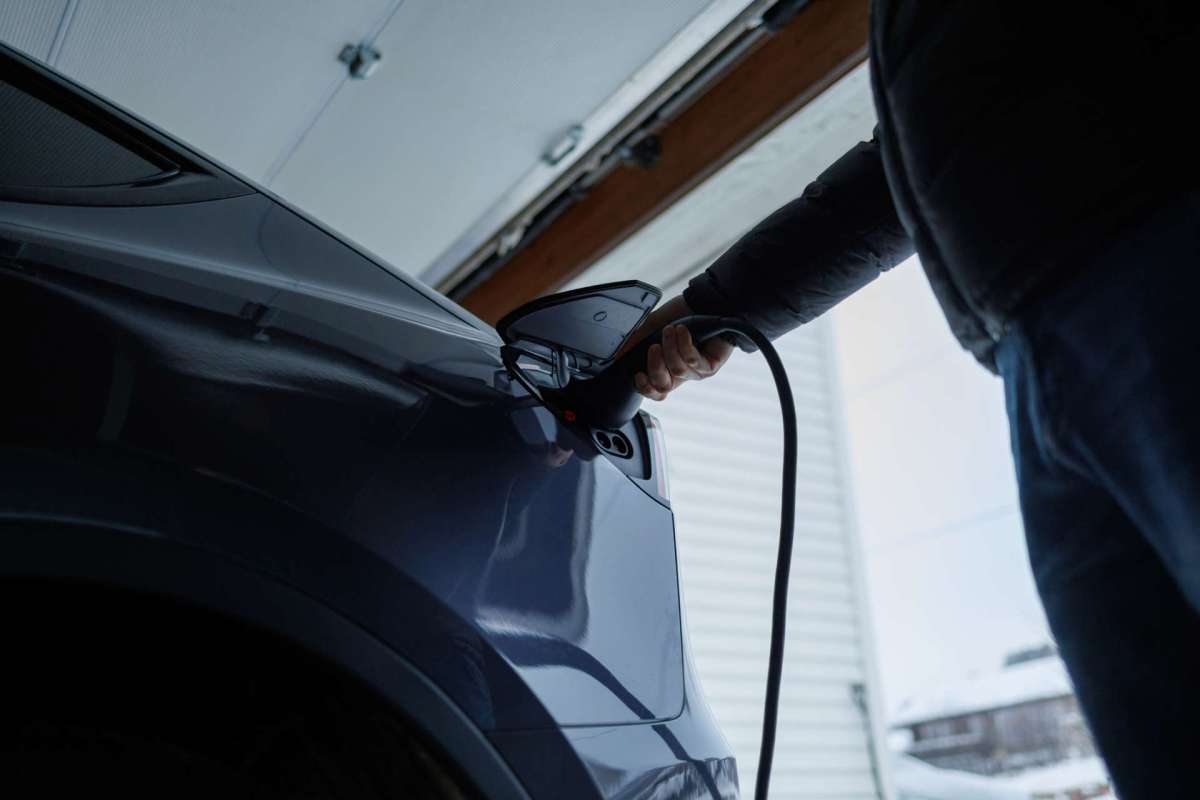
For some people shopping for an electric vehicle, the real appeal is the charger in the driveway or garage, not simply skipping gas stations.
That theme ran through a discussion on the r/TeslaModelY subreddit started by a soon-to-be EV owner who wanted to know if a home charger was worth adding.
Here's what to know
In a Reddit thread, the original poster said they were a couple of months out from delivering a Model Y.
"My wife is able to charge at work but curious if it's worth installing a charger at home," they shared. "In fact, of the few people I know who own EVs none of them charge at home. Mileage may vary I suppose."
That last part certainly was correct. Across the replies, owners repeatedly described charging at home as the default way they use their EVs.
One commenter, who said they have owned EVs for six years, wrote: "I've charged 'not' at home maybe 25 times as necessary during road-trips."
TCD Picks » Quince Spotlight
💡These best-sellers from Quince deliver affordable, sustainable luxury for all




That same commenter also described the potential savings.
"My home charging is insanely cheap at 3am," they revealed. "I'm talking 300 miles for $2 cheap."
Where someone lives made a huge difference in the math. One reply read, "2.8c/kwh overnight rate. It's basically free! Toronto, Canada," but another said, "$0.34/kwh in the middle of the night and $25/month just to have a meter."
More background
Several replies focused on how home charging fits into everyday life, not just the bill. One wrote of the appeal of how they "go to bed, wake up to 80% charge." Another added that public chargers "can make them almost as expensive to drive as ice cars" in some areas.
Not everyone in the thread thought buyers need to install Level 2 equipment immediately. One commenter said, "If you drive less than 30 miles a day, you don't even need a L2 charger. The mobile charger will suit your needs." Another said a basic "120V travel charger" was "plenty enough for my daily commute."
Owners in the discussion often treated charging at home as part of the normal routine of EV ownership.
That routine can affect the cost equation too. Fast chargers still have a role for travel or for people who cannot charge where they live, but relying on them more often can eat into one of the main financial advantages people expect from EVs.
What can be done?
Anyone comparing EV ownership costs may want to look closely at utility pricing, especially if their provider offers lower overnight rates.
Living situation is another factor. Drivers in apartments may depend more on public fast charging, which can be workable but may trim some of the potential savings.
For many households, the appeal of home charging is as much about habit and convenience as it is about cents per kilowatt-hour.
"We all charge at home," a user wrote. "That's the whole point."
Where can I learn more?
This isn't the first time a would-be EV owner asked about home charging, or whether Level 2 home charging was necessary.
• A condo resident asked whether an EV without home charging can work daily.
• For many households, Level 2 home charging is what makes overnight top-ups practical.
• Across U.S. apartments, drivers warned free plugs are vanishing as EV adoption grows.
• One Tesla owner sparked debate after calling a cheap at-home alternative good enough.

Get TCD's free newsletters for easy tips, smart advice, and a chance to earn $5,000 toward home upgrades. To see more stories like this one, change your Google preferences here.






