


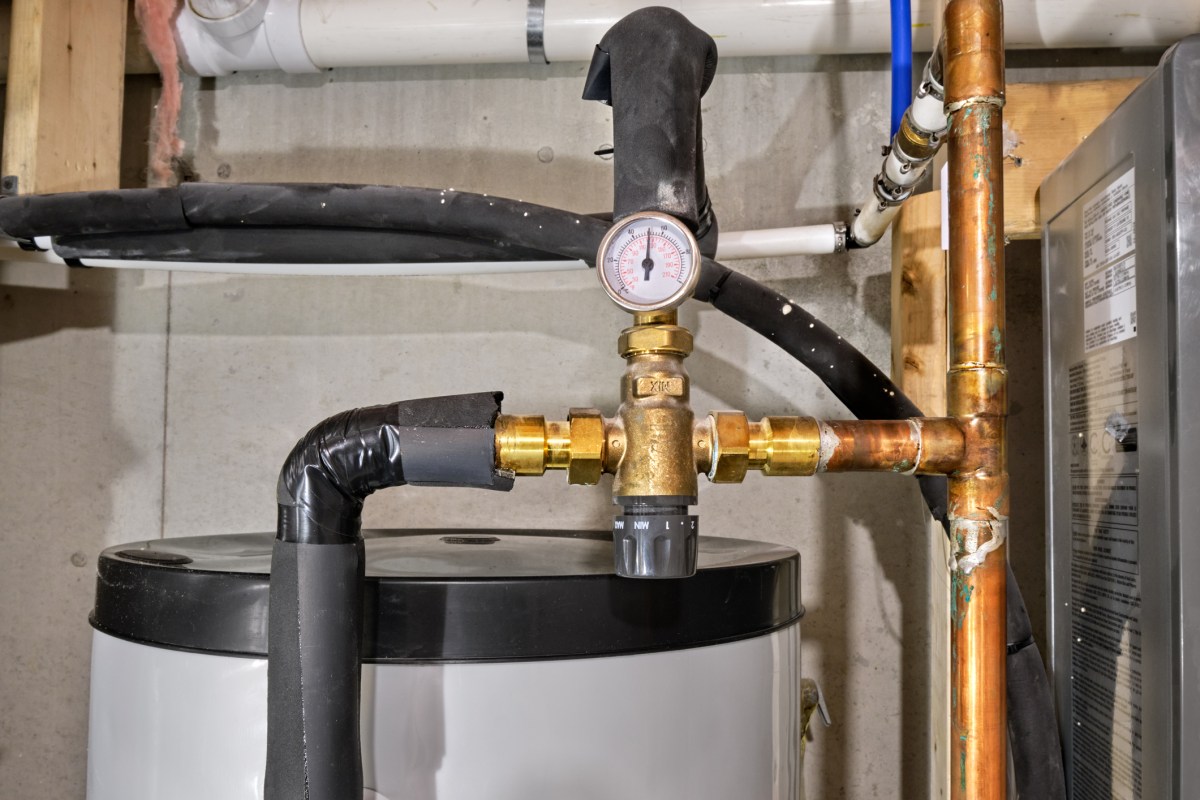
A basement bathroom project can create an unexpected problem for one of a home's most efficient appliances.
That was the concern raised by one homeowner on the r/heatpumps subreddit before contractors began cutting concrete near an LG heat pump water heater unit.
Here's what to know
In a Reddit post, one homeowner explained that basement construction would require cutting concrete to rough in plumbing for a shower and toilet. "I don't want my water heater breathing all of the concrete dust," the homeowner wrote.
Because heat pump water heaters use far less electricity than standard electric resistance models, the homeowner's concerns make sense. Energy Star says the units save many households roughly $550 a year, which means protecting the appliance during dusty construction can help preserve those savings.
Commenters had advice to safeguard the unit.
"I'd probably run it on heat pump only mode to the max tank temperature before they arrive to precharge it," one commenter suggested. "Then turn it fully off, and cover the air intakes with plastic prolly / maybe? You could then run it on straight electric backup heat, but you would likely want to remove the plastic while doing so."
Other replies focused on being proactive. One emphasized asking the contractor in advance whether the concrete would be cut wet or dry.
"Don't leave it to the guy cutting the concrete, they'll keep down most of the dust with water hopefully," another user advised.
Crushed by your bills? See instant solar savings from vetted installers in just a few clicks With energy prices through the roof, there's never been a better time to go solar — and EasyHome can help you find the best prices from the best installers in your area. EasyHome takes the guesswork and headaches out of energy upgrades by showing you estimated savings from a network of vetted local partners. To get started, just enter your ZIP and share a few details about your home — seeing your estimate is really that easy. |

More background
Heat pump water heaters operate differently from conventional tank models. Rather than generating all of their heat directly, they pull warmth from the surrounding air.
That design also means construction debris can interfere with operation.
Installation space, ventilation, and renovation timing can all affect performance. Owners should consult the manual before changing modes or sealing any part of the unit. The original poster said they were looking into that in a follow-up post.
What can be done?
The basic idea is to keep the appliance from pulling in dusty air during the dirtiest part of the job. Commenters suggested warming the tank ahead of time, taking the unit out of heat-pump mode while cutting is underway, and temporarily covering intake openings.
If the water heater has a heating-elements-only mode, that could be a short-term workaround, but the cover should come off before the system returns to normal airflow-dependent operation.
The contractor's plan can make a difference too. In the Reddit thread, the homeowner later said they might move the water heater to another wall, which could keep it farther from the concrete work and reduce the issue altogether.
For households considering a replacement rather than short-term protection, newer products offer more control.
Cala makes customizable smart heat pump water heaters that help homeowners decrease their energy bills by heating water exactly when it's needed. That can reduce waste compared with conventional systems that continue reheating water whether a household needs it or not.
For homeowners focused on comfort and lower monthly costs, Cala shows how heat-pump technology keeps getting smarter.

Get TCD's free newsletters for easy tips, smart advice, and a chance to earn $5,000 toward home upgrades. To see more stories like this one, change your Google preferences here.






