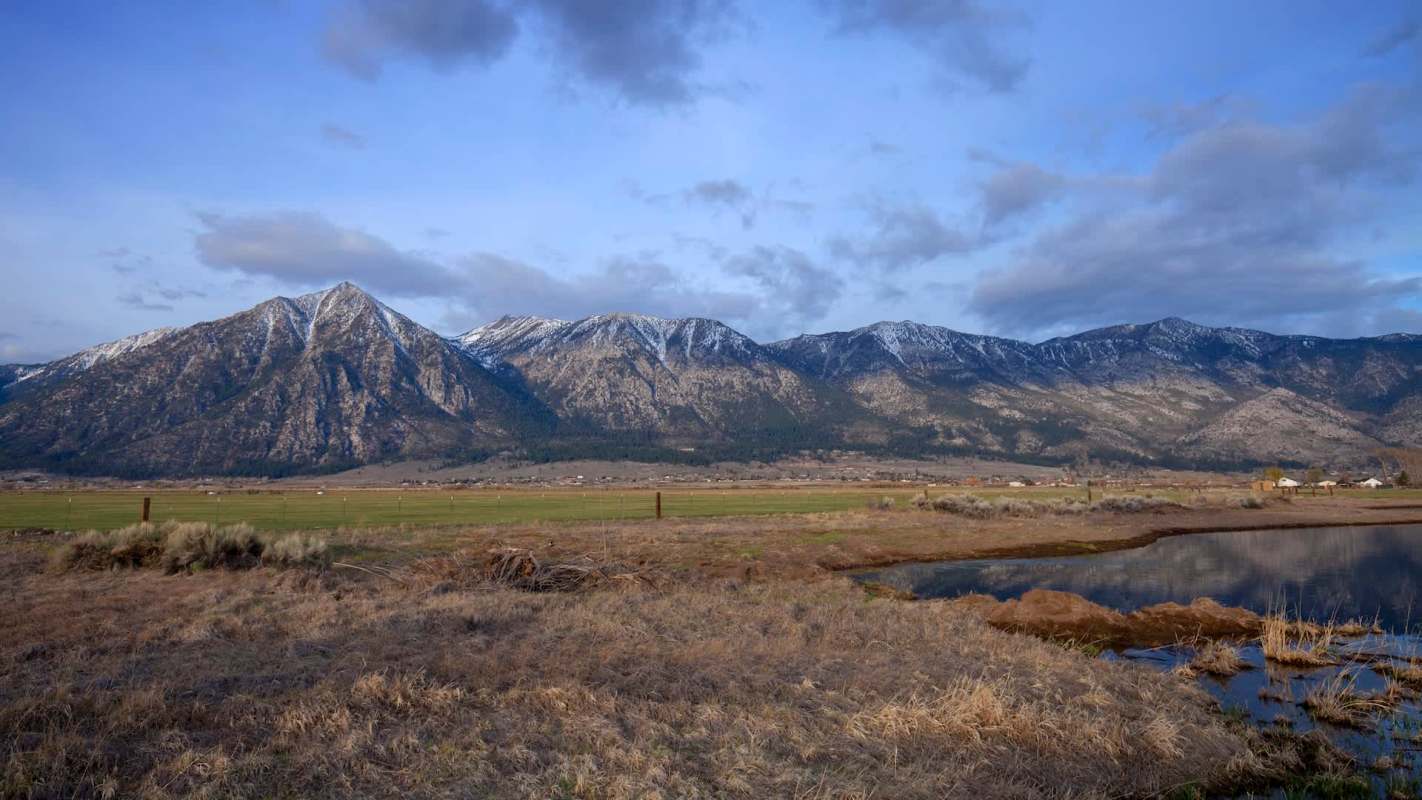
California could be heading into a winter marked by extremes: stronger storms and increased flood risk on one hand, but not necessarily the mountain snowpack that farmers rely on once summer heat arrives.
That disconnect has growers and water managers across the state watching forecasts for a possible "super El Niño" with a mix of hope and concern, Valley Voice reported.
Here's what to know
In August, the National Weather Service estimated a 69% chance that the developing El Niño would be stronger than events recorded since 1950.
But Paul Ullrich, a UC Davis professor of regional climate modeling, said a more powerful El Niño does not automatically mean the state will build the snowpack its agricultural sector needs.
According to Ullrich, El Niño usually raises the odds of a wetter-than-average winter, especially in Southern California. At the same time, climate change has warmed winters, making it more likely that added moisture falls as rain instead of accumulating as snow.
"Essentially, from a water management standpoint, we're expecting to probably end up pretty well off through the summer season in terms of captured water, but we're worried about potentially low snowpack for ag," Ullrich explained.
TCD Picks » Quince Spotlight
💡These best-sellers from Quince deliver affordable, sustainable luxury for all




Ullrich also said Californians should not assume the expected wet pattern will fully materialize.
He pointed to 2016 as an example of a year when forecasts called for a major El Niño boost that never fully showed up in California.
More background
Snowpack has historically acted as a natural reservoir for California and provides about 30% of the state's water.
When storms are warmer than normal, more water runs off right away and increases flooding, while less is stored as snow for gradual use later in the year.
Karla Nemeth, executive director of the Association of California Water Agencies, said that makes forecasting and storage increasingly important.
"This is probably a year that is going to demonstrate the value of storage in California that doesn't rely on the slow drip of snowmelt generating inflow over the course of a long, hot summer after we get a great snowpack," Nemeth noted.
For farming communities still recovering from the 2023 floods, the issue is especially urgent. Monterey County farmer Jynel Gularte said floodwaters covered more than 200 acres of her farm, damaged her levee in several places, and destroyed a house.
Heavy rain can offer some benefits, including groundwater recharge and short-term reductions in irrigation demand — but those gains can be outweighed quickly by the financial damage from flooding and lost crops.
What's being done?
California has been working to strengthen its response to major winter storms since the 2023 floods, state climatologist Michael Anderson said.
Part of that effort involves making preventive measures easier in areas prone to flooding, including directing water out of river channels and into aquifers for recharge.
"A lot of what we did in 2023 [was] kind of in an emergency response mode," Anderson began.
"There's been a lot of work since then to try and actually move it into a more organized space, done under changes to the water code and work with a control board on how it's regulated so that you're not relying on a governor's emergency order to be able to do it."
Nemeth also indicated that investments in sustainable groundwater infrastructure and better forecasting tools can help the state capture more winter rainfall and manage flood risks more effectively.
At the farm level, growers have fewer options. Monterey County Farm Bureau president and winegrape grower Jason Smith said farmers can maintain drainage features like ditches and culverts and use cover crops to limit sediment loss.
Gularte acknowledged that she may delay planting in fields vulnerable to flooding and move equipment when intense rain is forecast.
"I'm anxious about it," Gularte admitted. "I don't like hearing that it's going to be a super El Niño because there's no way we can have another flood like 2023. … That would be absolutely tragic."
Where can I learn more?
Extreme weather swings are increasingly disrupting agriculture and threatening vital resources.
• California water officials faced an abysmal snow season that deepened fears about summer supplies.
• NASA has warned El Niño's effects intensify precipitation extremes as the planet warms.
• California's brief drought-free stretch underscored hydroclimate whiplash across a state still vulnerable to extremes.

Get TCD's free newsletters for easy tips, smart advice, and a chance to earn $5,000 toward home upgrades. To see more stories like this one, change your Google preferences here.