


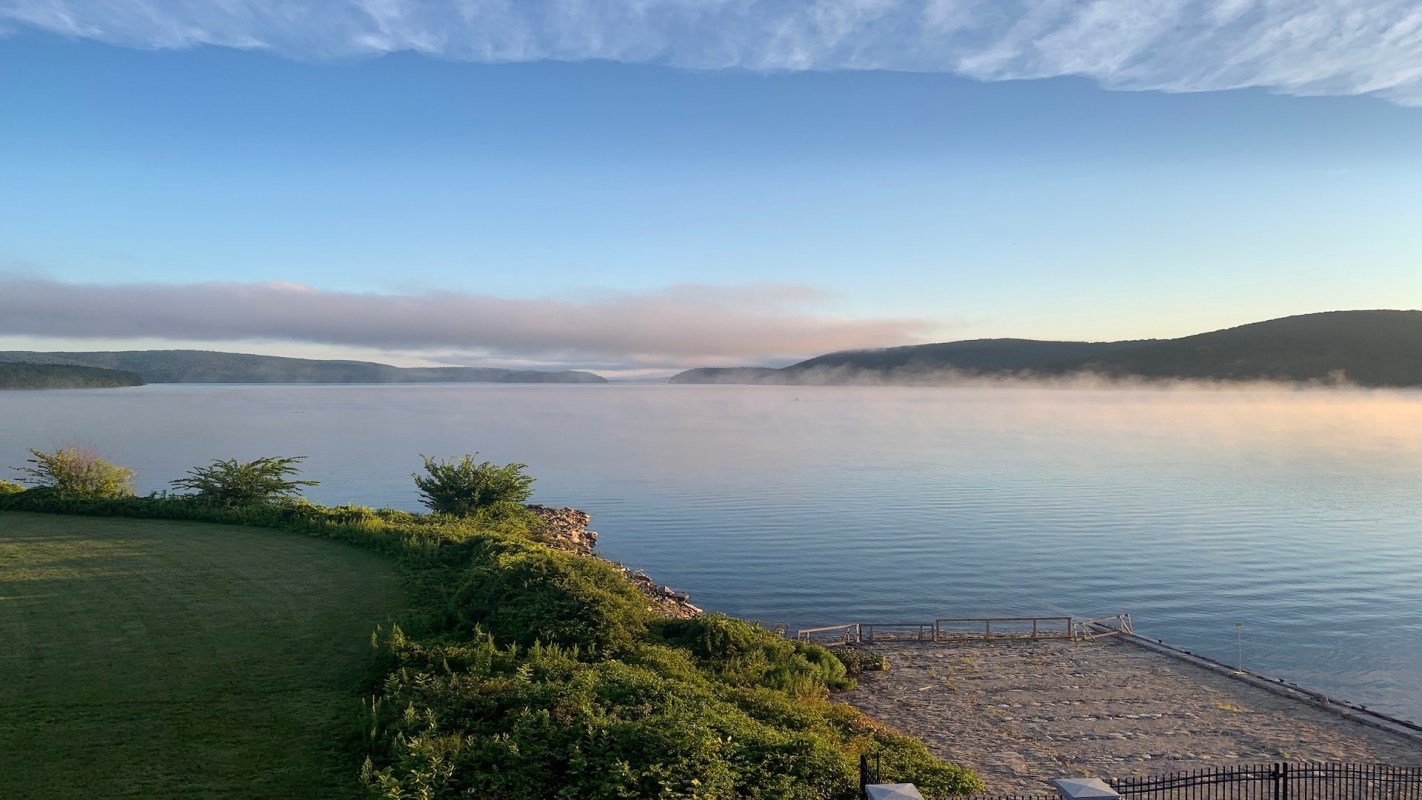
A debate over who gets to tap one of Massachusetts' biggest drinking water sources is escalating in communities surrounding the Quabbin Reservoir.
Western Massachusetts lawmakers are urging state officials to turn down a request that would let the Massachusetts Water Resources Authority draw up to 20 million more gallons of water per day without identifying who would ultimately use it, MassLive reported.
Here's what to know
Instead of connecting the extra water to a specific customer, the MWRA is seeking advance approval from the state Water Resources Commission under the Interbasin Transfer Act. The idea is to hold that added capacity for future requests so the agency would not need to repeat a lengthy review process and go back before the commission each time.
A Sept. 15 letter from state Sen. Jo Comerford, D-Northampton, state Rep. Aaron Saunders, D-Belchertown, state Rep. Susannah Whipps, independent from Athol, and state Sen. Jake Oliveira, D-Ludlow, asked officials to deny the proposal. They said authorizing a transfer of that size with no identified end user would effectively issue a "blank check" against a limited water supply.
If approved, the added 20 million gallons per day would exceed any drinking water transfer approved and could mark the biggest transfer authorization considered since the Interbasin Transfer Act became law in 1983.
People living near the Quabbin Reservoir and across its watershed are expected at a public hearing on the plan, Saunders said. The hearing is set for 11 a.m. Sept. 30 in the auditorium at Belchertown Town Hall, 2 Jabish St.
TCD Picks » Quince Spotlight
💡These best-sellers from Quince deliver affordable, sustainable luxury for all




More background
About 200 million gallons a day move through the MWRA from the Quabbin system, which has an estimated safe yield of 300 million gallons daily. Safe yield is the volume that can be taken while rainfall and the surrounding aquifer continue to replace it.
According to Saunders, seeking a block of water without identifying who would receive it avoids the test required by state law, MassLive reported. That review is supposed to examine the destination communities and determine whether a nearer water source is available.
What's being done?
At issue before the Water Resources Commission is whether the MWRA should receive added withdrawal authority under the Interbasin Transfer Act.
Critics say the process should work the way the law intended: with scrutiny of the water's destination and of any available alternatives. Saunders has said a sweeping approval with no named user would skip those safeguards.
The Sept. 30 hearing will give residents a chance to weigh in directly.
"This is a public resource," said state Sen. Jo Comerford, D-Northampton, per MassLive. "It's for the common good."
Where can I learn more?
Debates over what entities can use large amounts of water are unfolding elsewhere, too. These stories look at congressional proposals on water markets and tribal access, along with supply and enforcement fights in California, Missouri, and Arizona.
• In Congress, Elizabeth Warren pushed to stop investors profiting from water scarcity.
• In Native communities, lawmakers backed legislation to expand clean water access after long-running health crises.
• In California, federal officials weighed major water supply investments as drought risks persisted.
• In Missouri, farm-backed lawmakers advanced limits on clean water enforcement over pollution disputes.
• In Arizona, a disputed deal over Colorado River water rights raised fears for millions.

Get TCD's free newsletters for easy tips, smart advice, and a chance to earn $5,000 toward home upgrades. To see more stories like this one, change your Google preferences here.






