


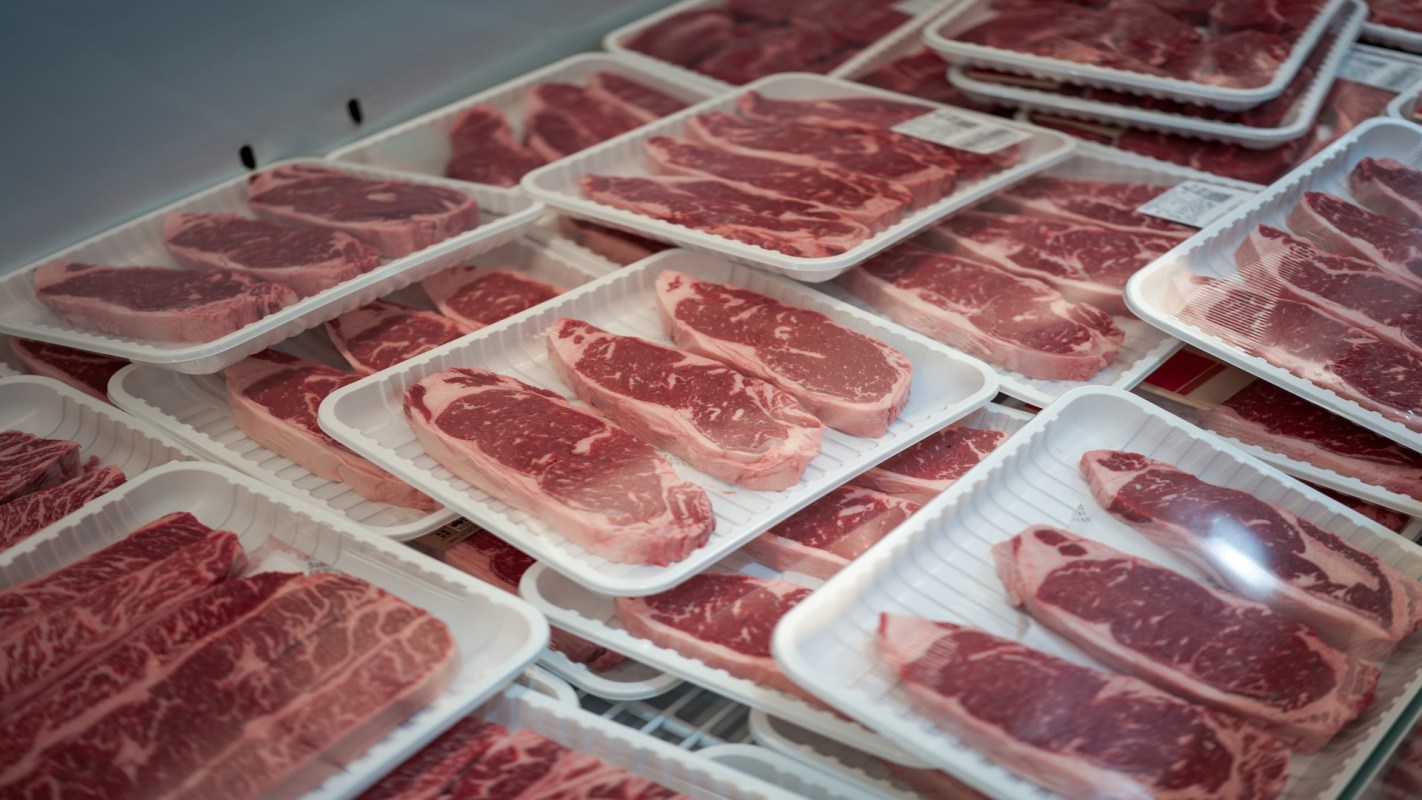
A visit to a Publix in Atlanta is drawing attention for underscoring how quickly the ingredients for a routine meal can get costly.
Using their experience living and shopping in South Africa as a point of comparison, Buckner Family Travels (@BucknerFamilyTravels) focused on U.S. grocery prices — and one meat purchase became the most striking example.
Here's what to know
In a YouTube video, the creator said they were "walking through Publix to examine American grocery prices after spending considerable time living and shopping in South Africa."
One item that stood out was a roughly $32 pack containing two fairly small steaks. The creator said it would feed just two people, and that price did not include the rest of the meal.
In the creator's view, comparing earnings across countries is incomplete without also looking at regular living costs, including transportation, housing, food, insurance, utilities, and other recurring household expenses.
They also said the video was not sponsored and noted that the prices shown reflected "this particular store and visit," so they could differ by date and location.
TCD Picks » Quince Spotlight
💡These best-sellers from Quince deliver affordable, sustainable luxury for all




More background
Income can seem higher on paper in one place than another, but for many shoppers the more important question is how much is left after paying for necessities.
At the same time, a single store visit offers only a snapshot. Prices can vary significantly by neighborhood, retailer, brand, product size, and whether items are bought on sale.
The video was meant to show what money buys in daily life, not to argue that one country is simply better than the other.
What can be done?
Evaluating affordability means looking beyond wages alone. Considering total monthly costs—including rent or mortgage payments, transportation, insurance, utilities, and food—can give a more realistic sense of what a lifestyle actually costs.
At the grocery-store level, consumers can often ease the strain by comparing prices across stores, shopping sales cycles, buying staples in bulk when possible, and planning meals around lower-cost ingredients. Swapping one or two meat-heavy meals for beans, lentils, eggs, or frozen produce can also stretch a budget without a major lifestyle change.
"You also have to examine what those dollars can actually buy after paying for groceries, housing, transportation, insurance, utilities and other household expenses," the creator said.
They added, "This isn't about claiming that either country is perfect. It's about providing a realistic cost-of-living comparison so people can understand the advantages and challenges on both sides."
Where can I learn more?
These stories take a closer look at how rising food costs, especially for meat, are squeezing everyday budgets. They cover red-meat sticker shock, restaurant strain, climate-linked grocery increases, and broader food inflation.
• In Canada, shoppers say the amount of red meat they can afford each week keeps shrinking.
• For local chefs and farmers, a little bit of everything now costs more to produce.
• New research shows wildfire smoke can raise livestock costs and grocery bills.
• A European Central Bank analysis found surprising factors driving surging food prices across markets.
• In Ukraine, inflation data showed food and fertilizer pressures hitting household budgets.

Get TCD's free newsletters for easy tips, smart advice, and a chance to earn $5,000 toward home upgrades. To see more stories like this one, change your Google preferences here.






