


Random daily grid blackouts threatened one remote worker's livelihood until one purchase saved their employability.
Here's what to know
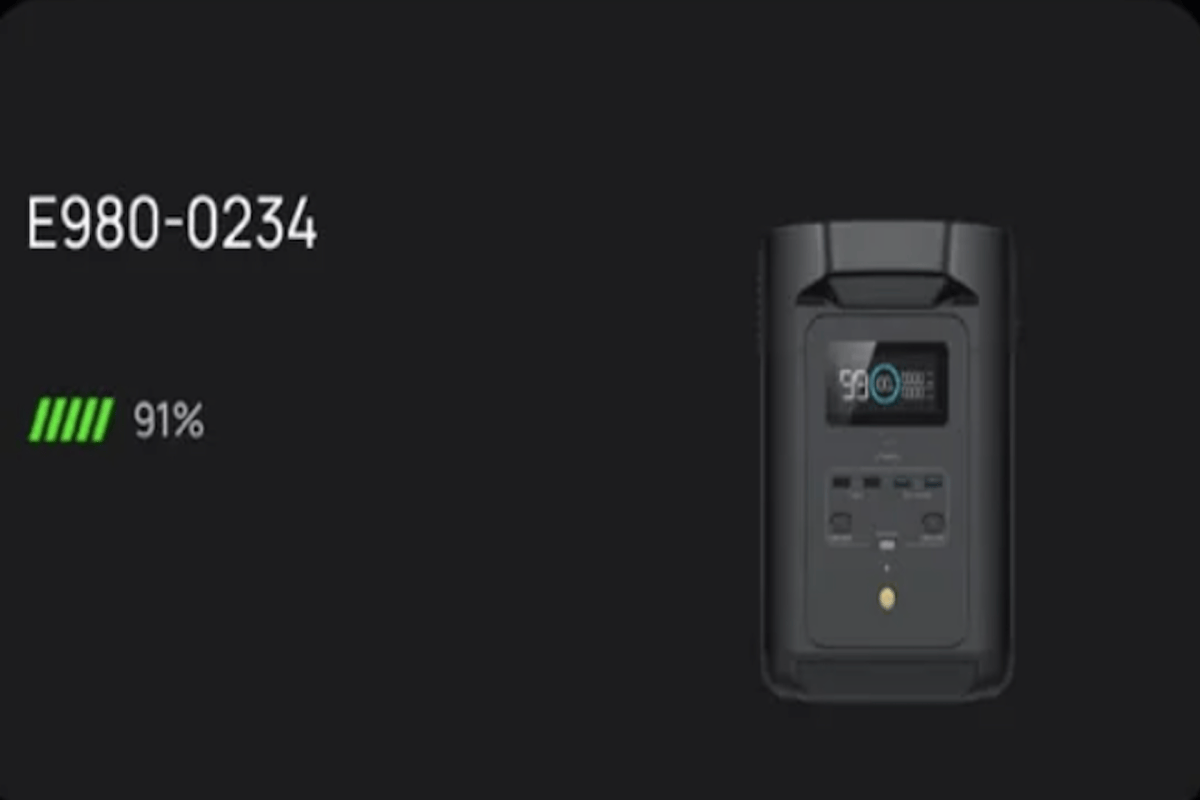
In a Reddit post, a user said they bought an EcoFlow Delta E980 for "around $300+" and depend on it in a location where outages usually last four to six hours nearly every day.
They said the device serves as a UPS for their PC, monitor, and Wi-Fi. In that role, it can keep those essentials running for about six hours, and once grid power is back, they said it takes roughly two hours to recharge.
Price and availability were key factors for the poster. They said local DIY backup systems typically cost $1,500 to $3,000, and they had seen others "burn a bunch of money on crappy mini DC UPSes that die after a couple of months."
A commenter who had experienced rolling blackouts shared a bit of excitement: "Awesome you now have a solid solution to safeguard your employment!"
More background
The post was frank about the unit's limitations: "Is it big? Kinda." The user also wrote that it had a "Weak inverter? Yep, 500W, 650W with X-Boost," and said it probably would not "win on paper at anything."
TCD Picks » Quince Spotlight
💡These best-sellers from Quince deliver affordable, sustainable luxury for all




Still, the worker said the alternatives were not appealing. Cheaper local brands often came with spec sheets that were hard to verify, they said, while importing another model could have meant waiting two months.
Under those constraints, buying a working backup system locally for a few hundred dollars outweighed getting the ideal specs.
What can be done?
In outage-prone areas, the first step is figuring out what absolutely needs to stay on. A work setup built around a router, monitor, laptop, or modest desktop will require far less capacity than a full kitchen or air-conditioning system, making a smaller battery backup a much more affordable place to start.
Factoring in total cost is also useful. A $300 unit can seem expensive until you weigh it against a $1,500 custom system, repeated purchases of short-lived budget backups, or the income risk of being offline every day.
As the Reddit poster put it: "Knowing I'll have power when I need it matters way more to me than the numbers." They added, "Most of you prep for that one big blackout a year. For us, it's daily, and knowing I'll have Wi-Fi and power no matter what keeps my life running and gives my family peace of mind."
Where can I learn more?
For more on how households are getting through outages, these stories explore the backup setups people are using to stay cool, connected, and up and running.
• In New York City, homeowners used battery-backed air conditioners to stay cool through restrictions and outages.
• Across outage-prone neighborhoods, families turned to inexpensive portable backup to keep essentials running.
• BioLite's sleek battery backup offered homes a simpler way to ride out blackouts.
• Pila Energy pitched plug-in home batteries that can step in when the grid fails.
• After a brutal heat-wave outage, one owner sought portable backup power for home comfort.

Get TCD's free newsletters for easy tips, smart advice, and a chance to earn $5,000 toward home upgrades. To see more stories like this one, change your Google preferences here.






