


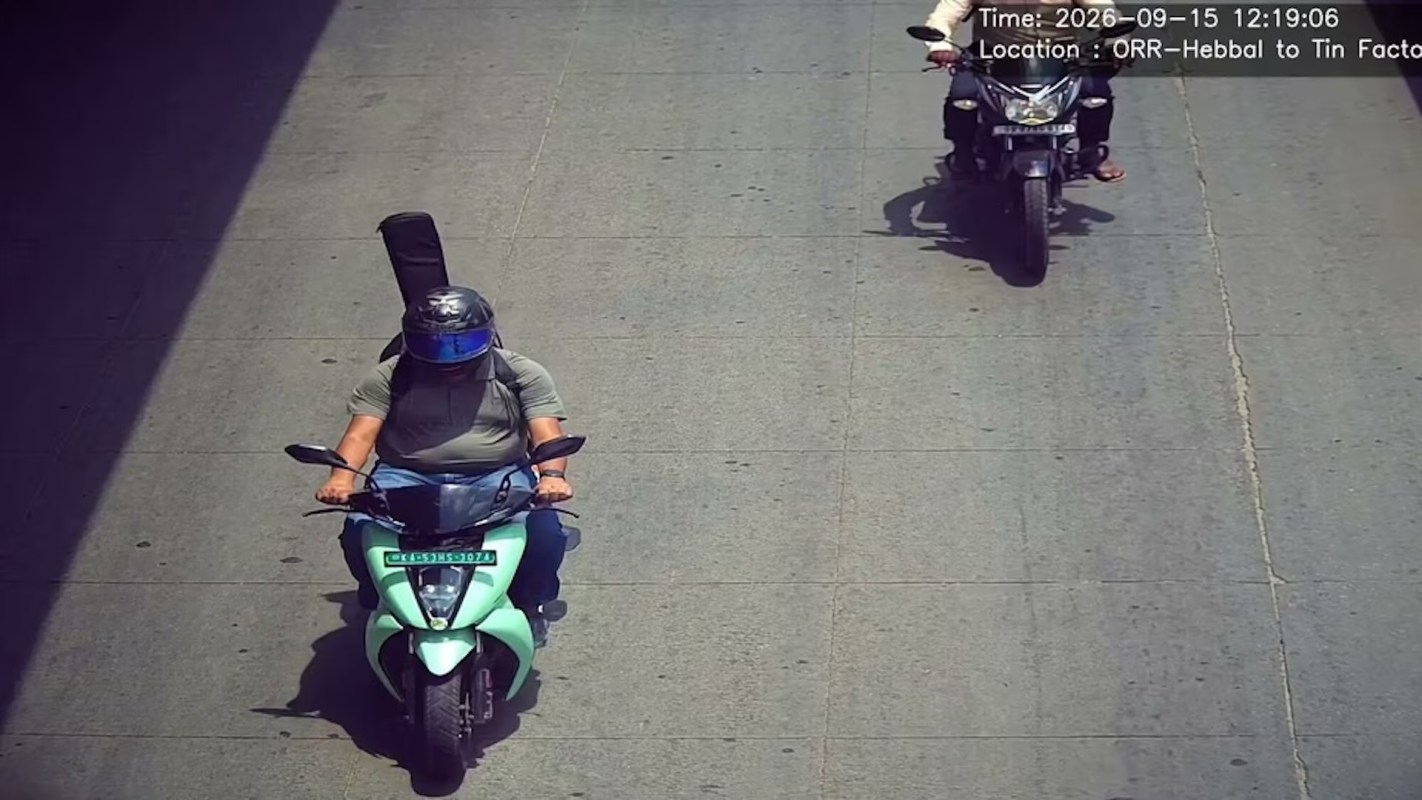
AI traffic cameras are supposed to catch rule-breakers, but a rider in Bengaluru, India, says one just mistook his guitar for a person.
The rider says his wife received a ticket for a helmetless passenger even though he was alone on her two-wheeler.
Here's what to know
Souvik Dutta (@souvikonline) said in a post on the social platform X that his wife received a challan, the local term for a traffic ticket, for "pillion riding without helmet," Hindustan Times reported. A pillion rider is a passenger on the back of a two-wheeler.
Dutta said he was riding alone and believes the system counted the guitar on his back as a second person. He asked Bengaluru's traffic police to cancel the ticket.
Hindustan Times said it couldn't confirm why the ticket was issued.
Reactions online were mixed, per the outlet. Some commenters said traffic cameras often make mistakes like this, while others questioned what the ticket's photo actually showed.
TCD Picks » Quince Spotlight
💡These best-sellers from Quince deliver affordable, sustainable luxury for all




More background
Automated cameras are meant to make roads safer by spotting violations more consistently and taking some of the workload off traffic officers.
Even a small error can cost someone time and money, especially when appealing is slow or confusing. Another commenter, per Hindustan Times, said they were sent a challan for a route they never traveled and that getting it canceled could take months.
AI runs on electricity, so every system like this one is tied to the energy grid. The data centers behind these tools use large amounts of electricity and water, which can raise power demand and, in some places, push up household energy bills.
What can be done?
Agencies that use AI detection can reduce mistakes by regularly auditing their systems and having a person review photos before a ticket goes out. Clear, easy-to-find appeal steps would also help drivers who get one by mistake.
Dutta aimed his frustration at the technology itself. "So much for AI-based traffic violation detection!" he wrote.
Where can I learn more?
These stories show how AI and automation can create transportation confusion or safety concerns.
• Google is using AI and traffic lights to reduce stop-and-go pollution in major cities.
• In Arizona, officers stopped a driverless Waymo car and found nobody behind the wheel.
• In Greece, an AI-generated metro image fueled confusion over Thessaloniki's new system.
• U.S. lawmakers pressed Waymo over remote-driver arrangements abroad and broader self-driving safety concerns.
• Google users blasted an AI tool's dangerous response to a basic lug-nut question.

Get TCD's free newsletters for easy tips, smart advice, and a chance to earn $5,000 toward home upgrades. To see more stories like this one, change your Google preferences here.






