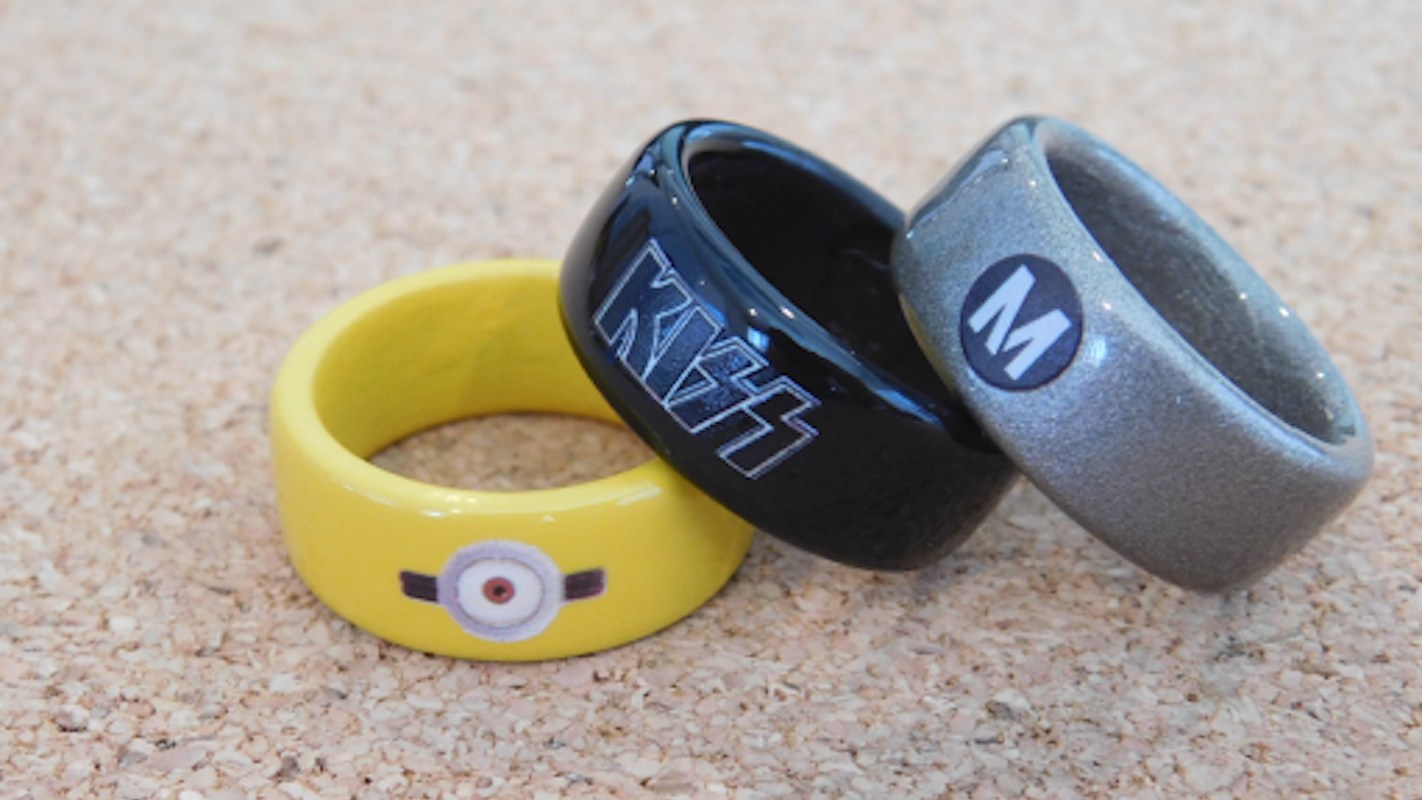
A former Pacific Palisades resident was found guilty by a federal jury in Orange County of running a smart-ring Ponzi scheme that stole nearly $2 million from investors, after prosecutors said she sold them a fantasy of booming sales, major retail deals, and big-name backing that never existed.
Here's what to know
According to the Los Angeles Times, an Orange County federal jury convicted Michelle Bisnoff, 59, of Boca Raton — a former resident of Pacific Palisades and Santa Barbara who also used the names Michelle Angeline Silverstein and Shelly Silverstein — in a smart-ring Ponzi scheme that drew nearly $2 million from investors.
Jurors found her guilty of six counts of securities fraud, six counts of wire fraud, and two counts of money laundering. Federal prosecutors said the British company McLear Ltd. hired Bisnoff to develop a U.S. market for its patented smart rings, wearable devices that stored credit card information in a ring.
Prosecutors said she then claimed she owned the key patent and set up Esos Rings Inc., which she described to investors as profitable. They also said she told investors their money would fund expansion and that inventory was being shipped to retailers such as Target and Walmart.
Officials said the underlying claims did not hold up: Esos had little revenue, no deal with Target, and no investment from Apple Inc. or Roc Nation, despite what investors had been told.
More background
Prosecutors also said Bisnoff told investors that Esos would buy back their shares for more than they paid.
TCD Picks » Quince Spotlight
💡These best-sellers from Quince deliver affordable, sustainable luxury for all




The Justice Department said Esos sold six rings on Walmart.com, with three of them later returned. Officials said most of the invested money went to Bisnoff's personal expenses, including rent on her residence, and to Ponzi-type payments used to keep the scheme going.
The Los Angeles Times reported that Bisnoff is scheduled to be sentenced Jan. 21 in U.S. District Court in Santa Ana.
Where can I learn more?
Other recent cases show how deceptive financial pitches can end in criminal convictions or devastating losses. These stories cover investor-fraud convictions, a major cryptocurrency seizure, and scams that emptied personal savings.
• A celebrity-backed eco bank's co-founder got 14 years after a $248 million investor fraud plot.
• Federal investigators made the world's largest seizure of its kind before a guilty plea.
• A woman answering a "verified" bank number ended up losing her life savings.
• In Chicago, shoppers found a 'handmade' jewelry boutique sourcing products from elsewhere.

Get TCD's free newsletters for easy tips, smart advice, and a chance to earn $5,000 toward home upgrades. To see more stories like this one, change your Google preferences here.