


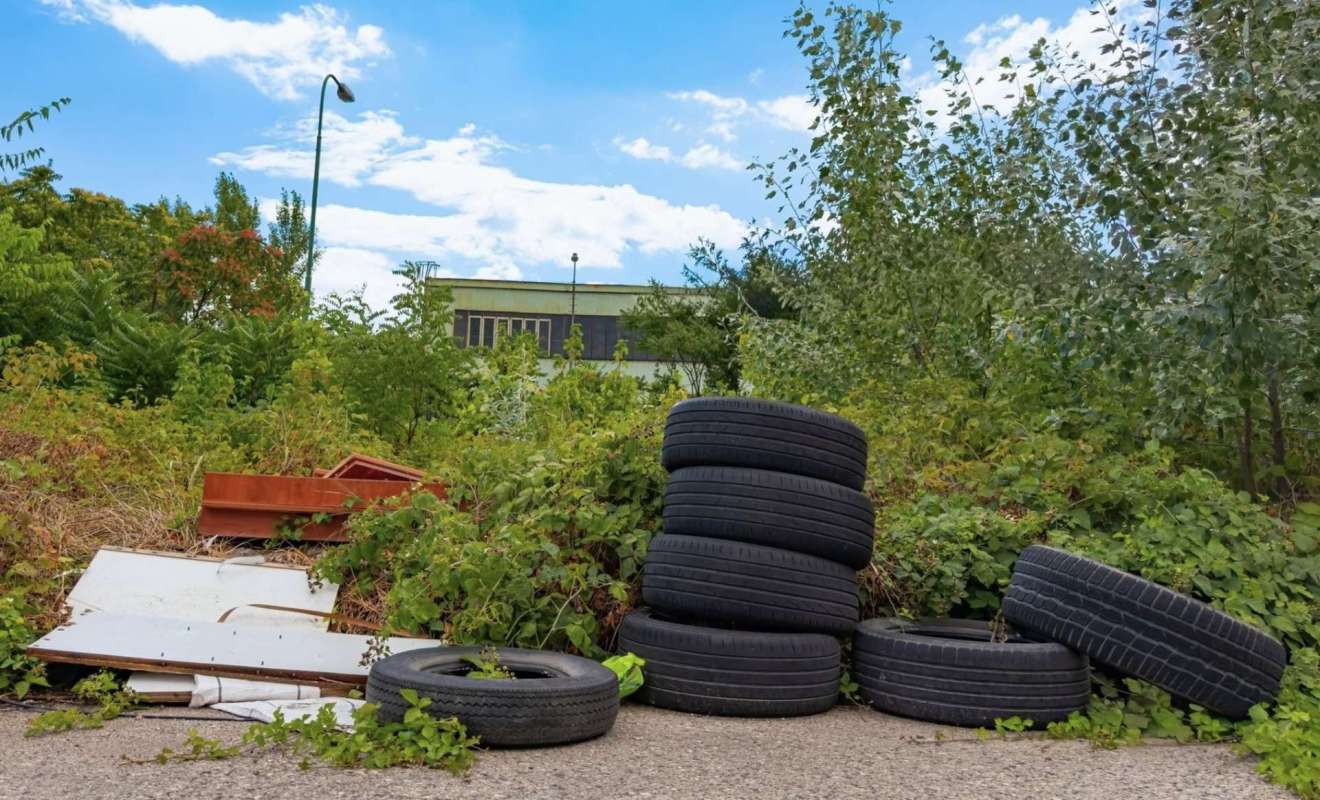
Landfill taxes in England have climbed to a record £126.15 per tonne, but illegal dumping is rising alongside them.
That's a troubling combination for communities already dealing with blighted public spaces, cleanup costs, and the environmental damage that comes when waste is left where it doesn't belong.
Here's what to know
England logged 1.26 million fly-tipping incidents, or cases of illegal dumping, in 2024/25, the highest total on record and up 31% from 2018/19. The think tank Institute for Economic Affairs says the increase came during a long rise in landfill tax, which went from £6.35 per U.S. ton (£7 per tonne) in 1996 to £114.44 per U.S. ton (£126.15 per tonne) in 2025, as the Daily Mail reported.
Citing estimates from Her Majesty's Revenue and Customs, the think tank said the difference between landfill tax rates and the revenue actually collected was £240 million in 2024/25.
Landfill taxes are meant to discourage waste and promote cleaner disposal practices. If they instead push some waste into illegal channels, neighborhoods can end up paying the price through polluted land, visual blight, and costly local cleanups.
In Oxfordshire, one field ended up with 23,149 U.S. tons (21,000 tonnes) of trash, and cleanup is projected to cost £7.3 million.
TCD Picks » Quince Spotlight
💡These best-sellers from Quince deliver affordable, sustainable luxury for all




More background
Waste policy aims to move society toward a cleaner, healthier future. When illegal dumping surges, that progress can stall. Residents may be left dealing with foul odors, pests, contaminated land, and less confidence that environmental rules are being enforced fairly.
Christopher Snowdon, who compiled the think tank's report and heads its lifestyle economics team, argued the issue reflects a pattern across several forms of taxation. The report said, per the Daily Mail, that alcohol, tobacco, and landfill duties together collected £5.2 billion less than the Office for Budget Responsibility had forecast for 2024/25.
The report also argued that higher duties haven't produced stronger revenue. It said those taxes brought in £3.2 billion less than in 2021/22 and pointed to the black market for tobacco and counterfeit cigarettes as another sign that criminal markets can grow when legal prices rise sharply.
Illegal dumping can lower quality of life, strain council budgets, and divert money away from parks and roads that help communities thrive.
What's being done?
The Daily Mail said local authorities gained the power this year to fine fly-tippers up to £5,000. The fines could help deter smaller-scale dumping, especially when enforcement is visible and consistent.
Still, penalties alone may not be enough if legal disposal remains too expensive for some operators or individuals. Addressing the problem may require a combination of stronger enforcement, easier legal disposal options, and tax policies that don't unintentionally reward illegal dumping.
Stronger enforcement could include better monitoring of known dumping hotspots and more support for local authorities facing repeated offenses. Officials could also reexamine whether current incentives reduce waste overall or simply shift it out of sight.
Policies designed to reduce landfill use can help build a better future, but if they also fuel criminal dumping, they can leave communities less clean and stuck with the bill.
As Snowdon put it, "Excessive taxes are not only costing the Treasury billions in lost revenue, they are creating lucrative opportunities for criminals and making illegal waste dumping more attractive."
Where can I learn more?
For more on waste disposal and its costs, check out these related stories.
• In California, food waste in landfills is driving climate and economic strain despite new laws.
• Oil and gas giants' waste-derived gas investments are raising doubts about cleaner disposal alternatives.
• Communities weighing waste costs are finding curbside recycling alone may not deliver expected savings.
• In Barcelona, officials turned organic municipal waste into fertilizer instead of landfill.

Get TCD's free newsletters for easy tips, smart advice, and a chance to earn $5,000 toward home upgrades. To see more stories like this one, change your Google preferences here.






