


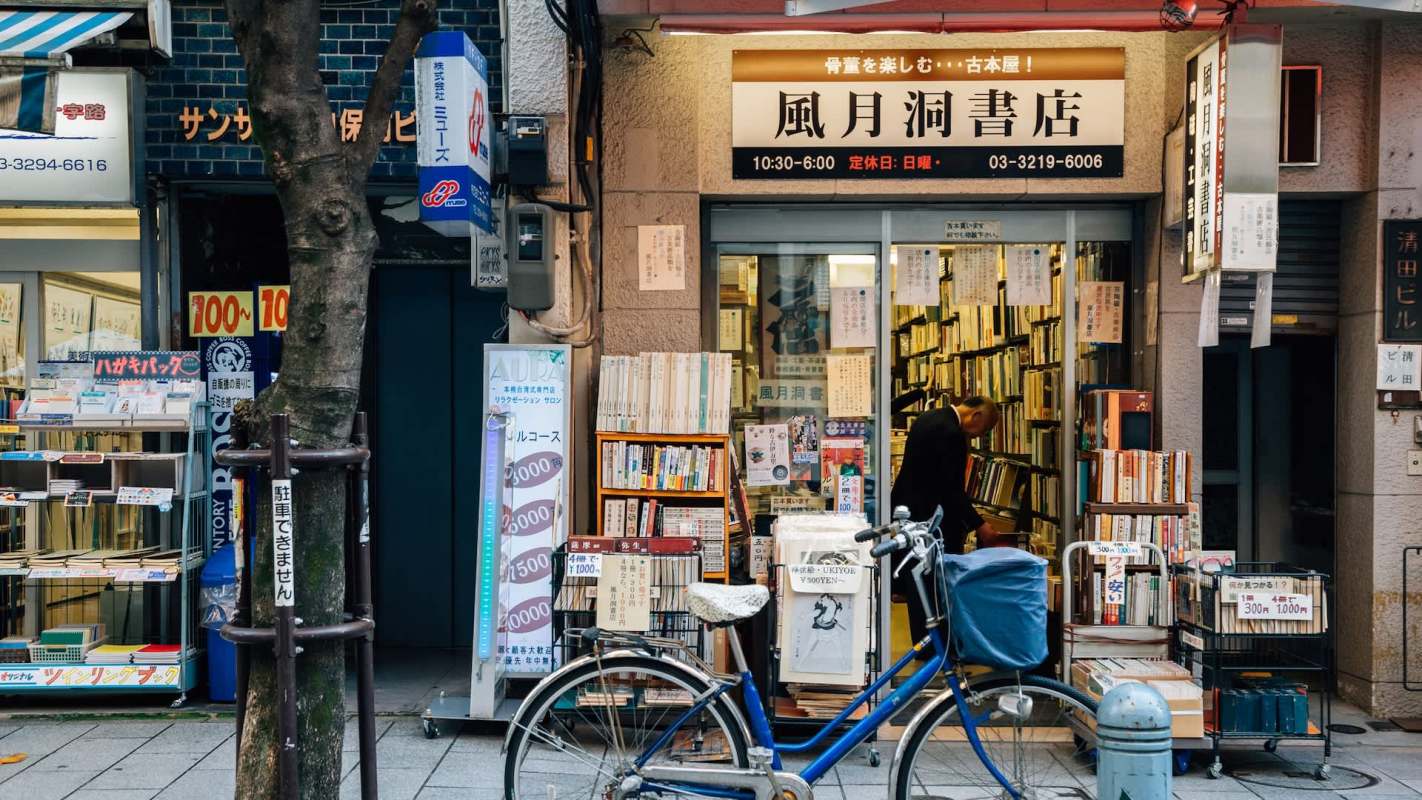
Used booksellers in Japan are seeing a surge in sales, but the increased profit is bittersweet as the books being bought and the culture that is tied to them will likely be destroyed.
For many of Japan's secondhand bookstores, there is a fear that the sales boom may come with a cultural cost, that bulk purchases are destined for AI training, a process that features scanning of physical books that are then destroyed and discarded.
Here's what to know
Tom's Hardware, which cited Nippon TV, reported booksellers using online marketplaces have been receiving unusually large orders. In some cases, stores say they are shipping books by the hundreds each day. Some orders are bought by weight, with huge orders being bought by the ton.
For some booksellers, sales have increased by as much as five times.
The suspicion comes from where the orders go. Different buyer accounts were asking to send shipments to the same destination, "a logistics center in Okayama Prefecture," and one reported a 50-ton shipment of Japanese books was bound for the United States for artificial intelligence-related scanning, per Tom's Hardware.
A used bookstore in western Japan also said an overseas company asked about placing an order for tens of thousands of books.
TCD Picks » Quince Spotlight
💡These best-sellers from Quince deliver affordable, sustainable luxury for all




One Tokyo bookstore owner told Nippon TV, as Tom's Hardware reported, that novels and comics used to account for much of the business but that the new bulk orders have focused on philosophy, history, political history, medicine, law, and even "life and culture in the Edo period."
More background
For bookstore owners, the sales jump may be welcome in the short term, but it raises a concern that used books could be removed from circulation.
If large numbers of books are bought, digitized, and then destroyed, the used-book market could tighten, making old or specialized secondhand titles hard to replace and more expensive to buy.
Used bookstores preserve local history, scholarship, and out-of-print writing. If those books are systematically removed from shelves, communities could lose access to works that are part of a shared historical record.
Even if digital copies are created, there is no incentive for a company to release or preserve a rare, one-of-a-kind book that was scanned into its database.
Tom's Hardware noted that using copyrighted works for AI learning remains legal in Japan unless it can be proved that the activity unfairly harms the copyright holder's interests. With bulk buys, an individual author has almost no way to prove anything.
What's being done?
That scrutiny could push publishers, booksellers, and policymakers to ask questions about sourcing, consent, and whether cultural materials are being permanently removed from the market.
It could also increase pressure for clearer rules around AI training and what should happen to physical books after they are scanned.
Bookstores can watch for unusual ordering patterns, including high-volume purchases focused on niche nonfiction categories or routed through shared shipping destinations. Libraries, independent booksellers, collectors, and preservation groups could become even more important in the preservation of rare or significant titles.
Where can I learn more?
• On the Fable app, AI-generated reader summaries sparked outrage with offensive descriptions of users.
• At the Chicago Sun-Times, an infamous summer reading list exposed fake AI-generated content.
• Across industries, the backlash may get brutal as AI threatens jobs, water, and electricity.

Get TCD's free newsletters for easy tips, smart advice, and a chance to earn $5,000 toward home upgrades. To see more stories like this one, change your Google preferences here.






