


Australia has the rocks that can power the clean energy economy, but the question is who will capture the value once those minerals come out of the ground.
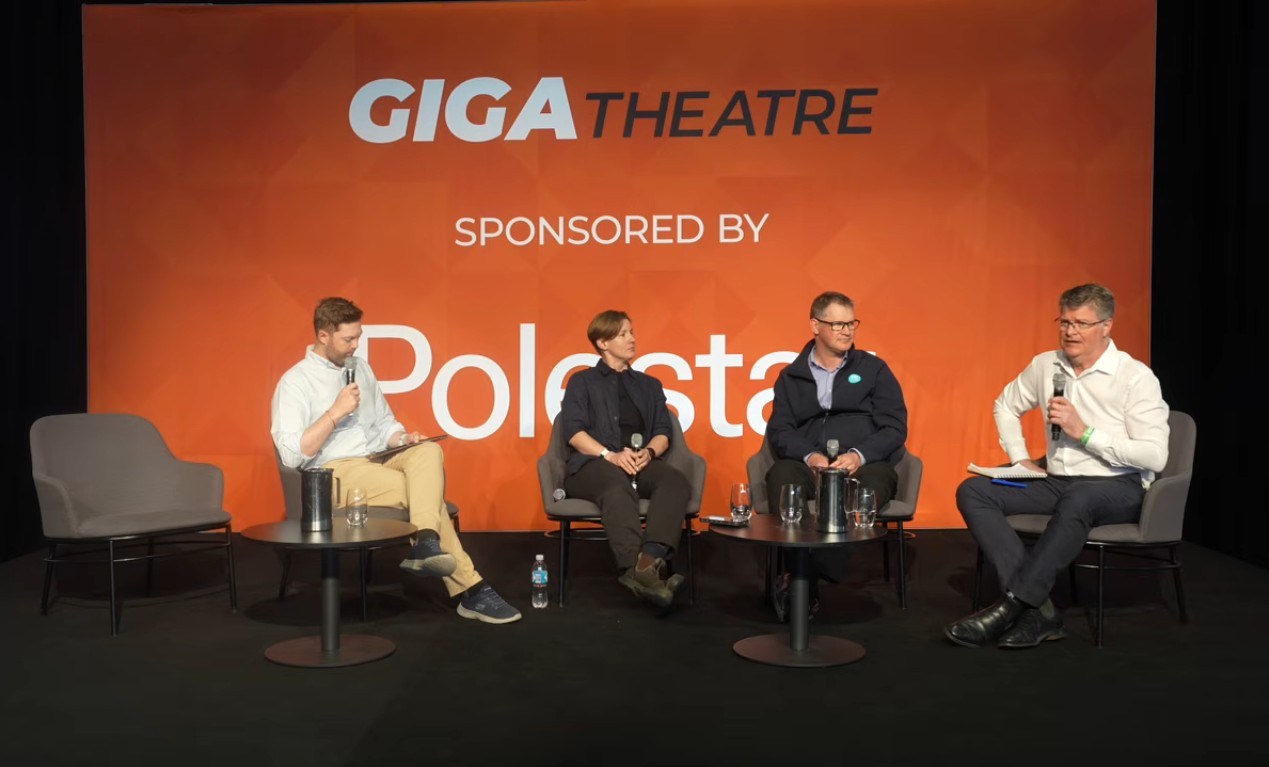
At Everything Electric Sydney 2026, a panel of battery experts said Australia could do far more than mine lithium and ship it overseas, especially as batteries become increasingly important for electric vehicles, grid stability, and backup power during a blackout.
Here's what to know
In a live discussion, content creator Ben Alexxander (@benalexxander) summed up the central tension this way: "Australia is already one of the world's most important suppliers of battery minerals, including lithium, but mining the raw materials is only one part of the opportunity."
Rusty Langdon, a researcher at the University of Technology Sydney's Institute for Sustainable Futures, argued that Australia has historically centered its role on extraction and export, even though more value may sit further along the chain in refining, battery materials, manufacturing, reuse, and recycling.
Dr. Adam Best, a principal research scientist at CSIRO, said end-of-life batteries can yield back most of their components.
"Everything can be recycled, essentially," he said, while warning that the economics still depend on the battery chemistry, transport costs, and the value of the materials being recovered.
TCD Picks » Quince Spotlight
💡These best-sellers from Quince deliver affordable, sustainable luxury for all




Tim Buckley of Climate Energy Finance, a public-interest think tank, said Australia is still missing a key piece of the puzzle: "To be clear, Australia does not manufacture active battery materials or battery cells."
He argued those capabilities are essential if the country wants a genuine circular battery economy.
More background
The issue is becoming more urgent because batteries are no longer just about cars. They are increasingly tied to home backup systems, large-scale storage projects, and efforts to keep electricity flowing when extreme weather or grid disruptions strike. If more of that supply chain were built locally, Australians could benefit from shorter supply lines and a stronger domestic industry.
According to Best, Australia already has both the mineral base and the technical know-how to make several categories of battery materials, including lithium iron phosphate and nickel-manganese-cobalt chemistries.
Langdon highlighted another opportunity as well: EV batteries that are no longer ideal for driving can still be reused or repurposed for stationary energy storage.
Not everyone watching was persuaded. Resource wealth alone does not guarantee factories, jobs, or industrial success.
"None have actually done it yet. So no, we can't become a battery superpower," one commenter wrote.
What can be done?
Their proposed next steps included more investment in refining and processing, support for battery material and cell manufacturing, and recycling systems that make economic sense.
Buckley said policy will matter if Australia wants to retain more value domestically rather than leave it to "what the financial markets determine today."
"The bigger question is whether Australia can build more of the refining, processing, battery manufacturing, and energy-storage industry here at home," Alexxander said.
Best added, "There is a real opportunity for Australia here."
Where can I learn more?
Other countries and companies are already pushing further up the battery supply chain. These stories look at battery cell and component factories, lithium processing, recycling capacity, and large-scale storage investment.
• In North America, new EV battery manufacturing is now leading global factory expansion.
• ENTEK is building state-of-the-art lithium-ion battery separator production with major U.S. loan support.
• At Nevada's Silver Peak, Albemarle plans to process enough lithium domestically for 2.4 million EVs annually.
• In the United States, Li-Cycle's hub will produce battery-grade lithium for around 203,000 EVs a year.
• RWE says battery storage is growing more critical as utilities scale 14 GW portfolios.

Get TCD's free newsletters for easy tips, smart advice, and a chance to earn $5,000 toward home upgrades. To see more stories like this one, change your Google preferences here.






