


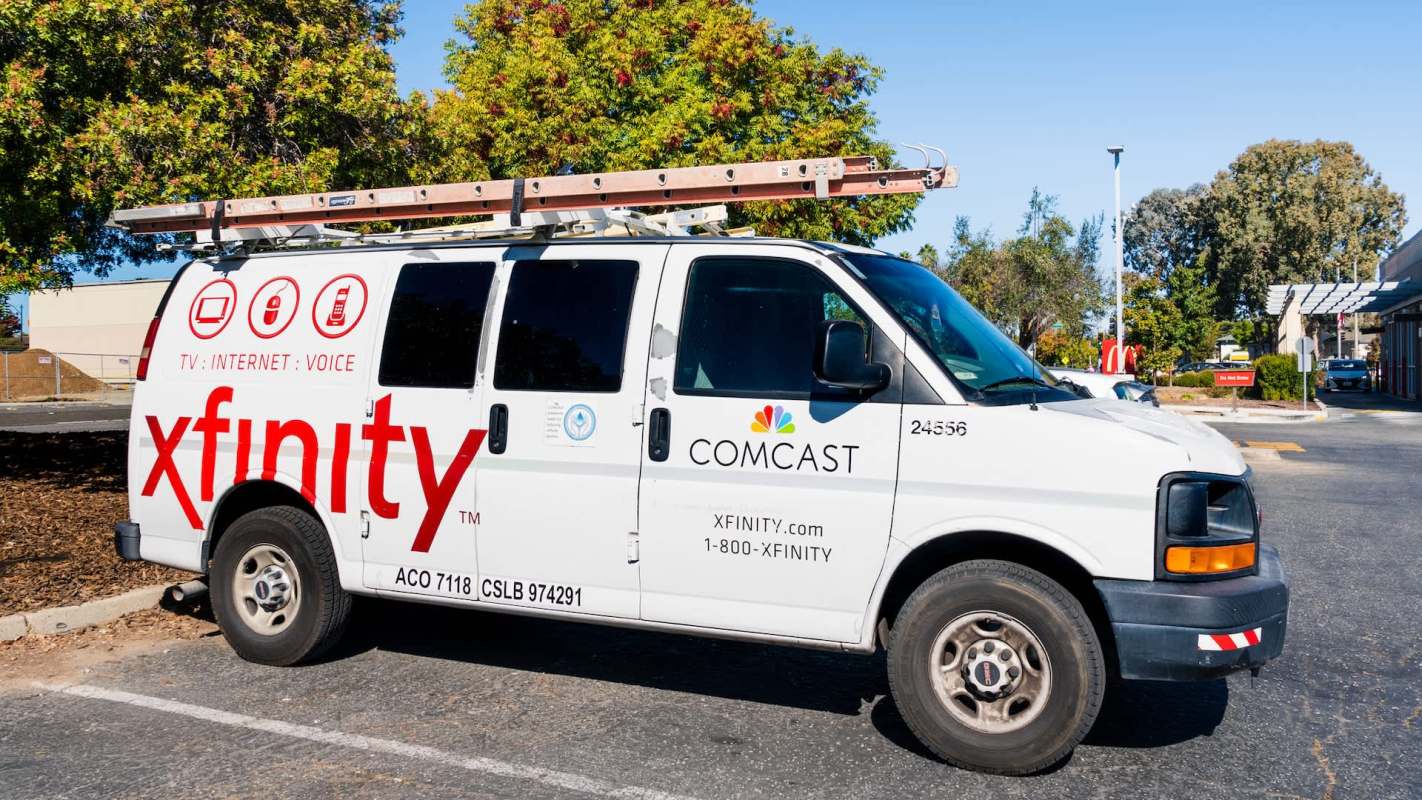
For households with few broadband options, sticking with one internet provider can cost far more than switching.
A rural Xfinity subscriber wrote in a thread that the cost of staying put had more than doubled, even though new customers seemed to have access to much lower pricing.
Here's what to know
Posting in the r/Comcast_Xfinity subreddit, the customer asked whether anyone had managed to negotiate their bill down to the advertised rate.
"This is ridiculous," they wrote. "My rate just went up another $18/ mo without warning. Started at $50 now up to $108!"
Making things even worse, they claimed new users could get "$45/mo for 6 years."
Replies indicated the problem was not unique to one household.
TCD Picks » Quince Spotlight
💡These best-sellers from Quince deliver affordable, sustainable luxury for all




One user wrote: "Last year I paid $30/mo Latest bill is $90/mo. Same speed."
Another argued that repeated increases persist because many subscribers either lack a competing provider or never switch away. The original poster indicated that was the case for them.
"This is service to a rural area with no other options and is highway robbery," they wrote.
That dynamic can be especially tough in rural communities. When one company dominates a service area, customers may have little room to negotiate, compare prices, or walk away.
For households that depend on internet access for work, school, telehealth, and daily communication, a sudden jump in cost can strain the budget.
"The reward for loyalty unfortunately is higher prices and inability to get the new customer pricing," a commenter lamented.
More background
Complaints about the gap between promotional rates and standard pricing are common across the broadband industry, but the frustration often deepens when a bill rises while the service stays the same.
Other commenters echoed that sense of being boxed in. One wrote, "Comcast calculates that most people either don't have another choice or that most people actually won't make the effort to change, so in either case they can squeeze, and squeeze and squeeze."
Internet access can determine whether people can apply for jobs, work from home, complete school assignments, manage bills, access healthcare online, and stay in touch with family.
When recurring costs rise unpredictably, families may be forced to downgrade service or cut spending elsewhere just to stay connected.
What can be done?
Commenters offered a few practical alternatives, though none are guaranteed to work for every household. The thread surfaced a couple of possible workarounds. One suggestion was to "swap to starlink, then return like a new customer."
Another commenter recommended Comcast's budget tier instead: "Why don't you give their NOW service a try? We switched to it after they kept raising our rates and it works well for everything we need it for."
One poster also pointed to wireless competition where it exists, and possibly using it as leverage.
For rural customers, fixed wireless or satellite service may not be ideal, but even those alternatives can offer some negotiating leverage when wired choices are limited. For its part, an Xfinity employee reached out in the thread, and the original poster took them up on the offer for assistance.
Where can I learn more?
That same squeeze is showing up in other household bills too. Utilities, in particular, are under fire for cutting special deals for data centers, pocketing big profits, and raising rates.
• In Pennsylvania, high utility bills are squeezing households as electricity rates keep climbing.
• Across the U.S., record-breaking rate hikes are fueling backlash as utilities seek billions.
• Utilities are giving data centers special deals while homeowners absorb rising power costs.

Get TCD's free newsletters for easy tips, smart advice, and a chance to earn $5,000 toward home upgrades. To see more stories like this one, change your Google preferences here.






