


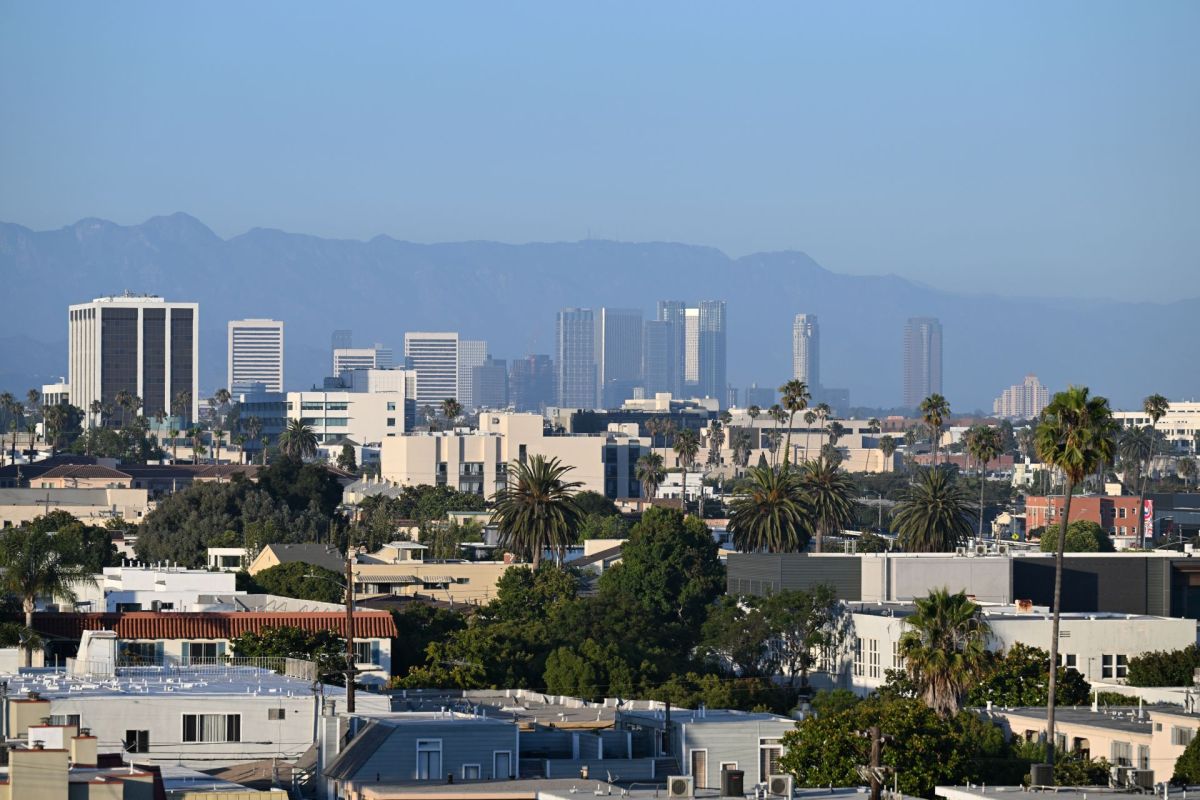
Santa Monica officials are moving ahead with a zoning change for 89 single-family parcels near the Expo/Bundy light-rail station. The Daily Press says the move aims less to spur housing than to keep a tougher state transit-housing law from taking effect there.
The City Council approved the plan on first reading by a 5-1 vote, with Councilmember Jesse Zwick recused. It now heads to a second reading as the city tries to keep Senate Bill 79 from applying in its last transit area without local protection.
Here's what to know
The state law at the center of the dispute, SB 79, took effect July 1 and sets minimum development standards for eligible housing proposals within a half-mile of major transit stops, per the Daily Press.
That permits taller buildings, more homes, and greater floor area near transit.
Santa Monica had already found a way to keep six of its seven transit-oriented development areas outside the law until around 2030, according to the Daily Press. The Expo/Bundy zone was the exception because too few Santa Monica parcels met the state's qualifying threshold.
In response, the council voted to raise the allowed density on 89 R1 lots from one home per parcel to 40 dwelling units per acre, according to the Daily Press.
TCD Picks » Quince Spotlight
💡These best-sellers from Quince deliver affordable, sustainable luxury for all




For projects that use that higher density, the floor area ratio would also rise from 0.5 to 1.25, while the 28-foot height limit would stay the same.
City staff said, according to the Daily Press, that the change would bring the area to 42.7% of qualifying sites, enough to keep SB 79 from applying there.
More background
Much of the debate turned on two concerns: displacement and the need to build more housing near rail service.
Staff argued that targeting single-family parcels posed less risk to renters than an earlier plan to upzone multi-unit properties, which was dropped after concerns about tenant impacts.
Councilmember Dan Hall, who supported the ordinance, feels the tradeoff makes sense.
"When you flip a single-family home into a handful of townhomes, it contains rising prices," he said, contrasting that with "4.5, 5, 6 million McMansions."
Still, the effect could make it harder to move toward a more affordable, lower-pollution future.
While the ordinance technically opens the door to more homes on certain lots, its main purpose is to block a broader statewide framework meant to place more housing near trains and buses.
Homes located near transit can help people spend less on transportation, reduce traffic, and cut planet-warming pollution.
Restricting how much of that housing gets built can make those benefits harder to achieve.
What's being done?
Backers of the ordinance say they are trying to protect vulnerable residents while giving the city more time.
Mayor Caroline Torosis won support for a parallel study of the community's "dual ordinance" idea, possible exemptions tied to uses such as child care, and a citywide anti-displacement measure for rent-controlled homes.
Torosis said her priority was to "close the door as quickly as possible" on the broader development window allowed under SB 79 while the city considers additional safeguards.
City Attorney Heidi von Tongeln said there was virtually no chance of getting a formal response from the state Department of Housing and Community Development before the second reading, and Councilmember Ellis Raskin said the policy could still change before final adoption.
Staff warned that if the city does nothing, the zone would remain open to SB 79 projects.
The Daily Press reported that, beginning January 1, 2027, denials of qualifying projects in high-resource areas would be presumed unlawful unless rebutted, with penalties of $10,000 per unit.
"Yes on first reading," Raskin said. "Let's see what happens in the second."
Where can I learn more?
The Santa Monica dispute is one piece of a broader California clash over how state housing rules should shape development near transit and in established neighborhoods. Related coverage looks at infill-housing legislation, tenant protections, clean-energy building standards, rail-station planning, and the state's broader high-speed rail push.
• California lawmakers moved to fast-track infill housing in places already served by roads and utilities.
• In Redwood City, voters will weigh rent caps and tenant protections.
• California's new housing law drew backlash over setbacks for future homes and higher construction costs.
• Architects unveiled California high-speed rail stations designed to reshape travel hubs across the state.
• California's high-speed rail project is advancing as a zero-emissions travel alternative despite funding fights.

Get TCD's free newsletters for easy tips, smart advice, and a chance to earn $5,000 toward home upgrades. To see more stories like this one, change your Google preferences here.






