


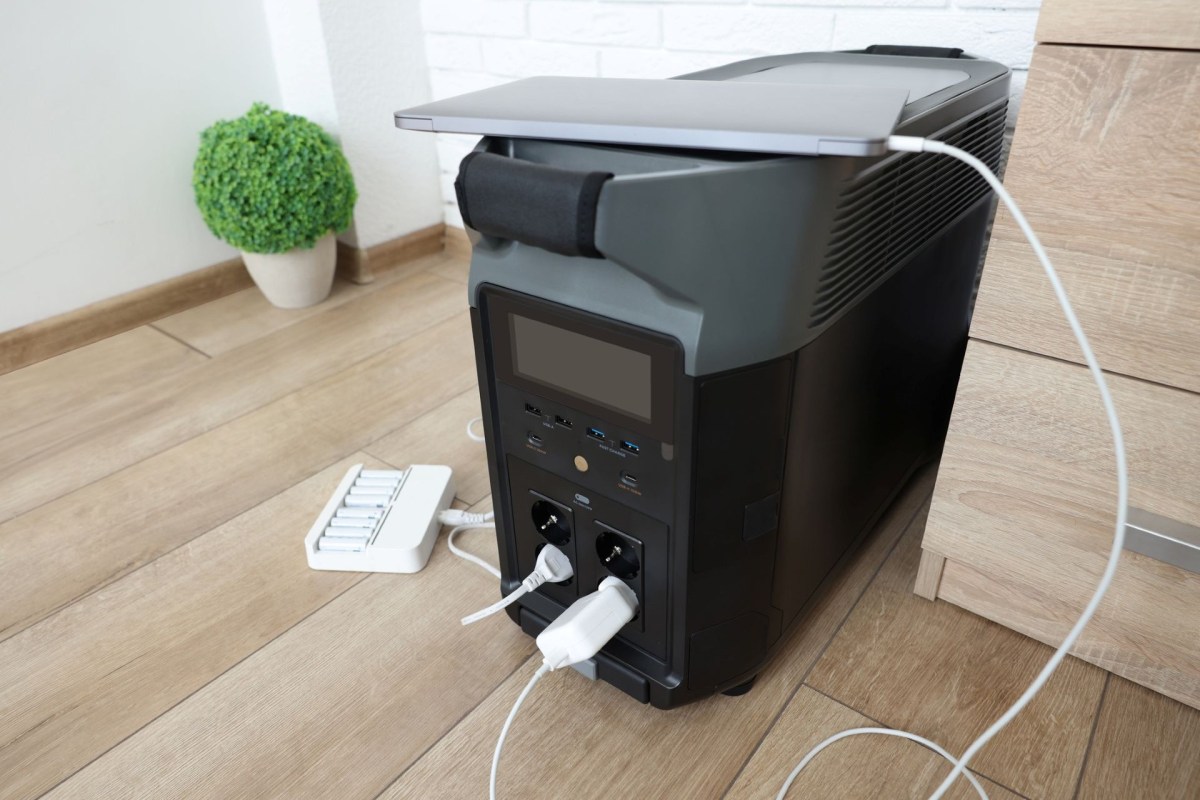
Great Britain has opened the door to plug-in solar, letting households generate some of their own electricity without a full rooftop overhaul.
As Stuff reported, Britain's plug-in solar rules don't extend to battery-equipped systems, so Anker's new SOLIX Solarbank 4 Pro still needs a registered electrician for installation there.
Here's what to know
The device is built to shift energy use over time, storing surplus solar generation for later and taking in lower-cost grid power when rates are cheaper.
The system starts at about 5 kilowatt-hours of storage and can be expanded with extra modules to as much as 30 kWh. It can take up to 5,000 watts of solar from as many as 12 panels.
Homeowners still cannot complete installation on their own, because a registered electrician must connect the unit to a home's consumer unit.
It can supply up to 2,500 watts of AC power and has a dedicated off-grid outlet that may keep compatible appliances running during a blackout. That kind of backup is one of the best reasons to consider battery storage: it can keep essentials running when the grid goes down, and lower energy costs the rest of the year, too.
If you're comparing options, it may be worth exploring EnergySage for information on home battery storage systems and competitive installation estimates. EnergySage has also partnered with the electrification brand Qmerit to guarantee you get the best price on home battery storage solutions. Another option is Pila, whose plug-and-play batteries cost a fraction of a whole-home backup system.
More background
Anker says its software uses time-of-use tariffs by charging from the grid when electricity is cheaper and using the stored power later as rates rise.
Save $10,000 on solar panels without even sharing your phone number Want to go solar but not sure who to trust? EnergySage has your back with free and transparent quotes from fully vetted providers in your area. To get started, just answer a few questions about your home — no phone number required. Within a day or two, EnergySage will email you the best options for your needs, and their expert advisers can help you compare quotes and pick a winner. Solar panels can save you more than $50k over their 25-year lifespan, and EnergySage can help you save as much as $10k on installation. Which begs the question — isn't that worth an email or two? |

The system works with tariffs from 870-plus electricity suppliers across Europe, including Octopus Energy in the U.K. Paired with Anker's Smart Meter Gen 2, it can track household power use and automatically choose when to charge or discharge.
On sunny days, a home could store daytime generation for evening use. During cloudier periods, the battery could top up on cheaper off-peak electricity instead of forcing a household to buy power at peak prices.
Anker says the right setup could save a U.K. household as much as £770 annually and, as Stuff reported, recoup its cost in roughly 3.3 years, though that estimate is based on the company's own assumptions and does not include installation costs.
What can be done?
If the goal is simply to lower bills with a small solar setup, plug-in panels may be enough. If backup power and off-grid capability matter more, battery storage is worth a closer look. Beyond the savings, it's one of the more reliable ways to keep a home running during an outage.
Electrician requirements, tariff structure, and daily energy use also factor into that decision. U.K. preorders start at £1,699 for the SOLIX Solarbank 4 Pro, and the 5 kWh BP5000 add-on battery costs £1,299.
Whether those numbers make financial sense will depend on weather, electricity use, and installation costs.
The product is not sold in the U.S., where plug-in solar is still earlier in the regulatory process.
Where can I learn more?
These stories cover the patchwork rules around plug-in solar and the growing market for modular home batteries. They cover where balcony-style solar is legal, how policymakers are trying to widen access, and how Anker is building out home backup options.
• In the U.S., plug-in solar panels remain legal in just one state.
• Across the U.S., plug-and-play solar systems are being pitched as payback-friendly household appliances.
• In Vermont, lawmakers may unleash plug-in solar panels for renters and homeowners alike.
• Colorado officials are removing barriers and red tape for residents who cannot install rooftop solar.
• Anker has unveiled a modular whole-home battery system aimed at deeper home electrification.

Get TCD's free newsletters for easy tips, smart advice, and a chance to earn $5,000 toward home upgrades. To see more stories like this one, change your Google preferences here.






