


A West Coast cabin owner trying to make harvested rainwater drinkable on a $300 budget sparked a familiar off-grid debate: How much filtration is enough, and when does a lower-cost setup start to feel too risky?
Here's what to know
The post on Reddit's r/OffGrid thread came from a cabin owner in the temperate rainforest of the U.S. West Coast who wanted to move beyond "a camping water filter" without spending more than $200 to $300.
Their existing setup stores rainwater in four connected IBC totes, with leaf screens and a coarse prefilter handling debris before the water reaches the house, and they said the ideal outcome would be to "filter all water to potable."
They did not ignore the contamination issue tied to rooftop collection, writing plainly: "Yes birds s*** on my roof, as everyone else's."
Replies revealed a divide over UV treatment. One commenter, who said they work in the water filtration industry, suggested "a prefilter for sediment (5 micron) a UV sterilizer, and a 0.2 micron final filter," adding, "It's basic but will do the work."
Another pushed back on the necessity of that step, saying, "UV is a 'nice to have', not a 'need to have.'"
TCD Picks » Quince Spotlight
💡These best-sellers from Quince deliver affordable, sustainable luxury for all




More background
Rain catchment can be an appealing option for cabins and rural properties because it can reduce the need to haul water or depend entirely on outside infrastructure. For some households, that can mean lower ongoing costs and greater resilience during service disruptions.
However, making collected rain suitable for drinking is not straightforward. In the thread, commenters pointed to several factors that can affect quality, including what falls onto the roof, what gets into the storage tanks, and how long water sits before use. The concerns raised included sediment, bird droppings, and bacterial growth in stagnant water. One wrong step could lead to a serious illness.
At the center of the argument was not so much whether rainwater can be drinkable, but how much uncertainty a homeowner is willing to live with. One commenter said they had consumed roof-collected rainwater for 30 years without UV, while others said extra treatment is worth it when the water is for everyday drinking.
What can be done?
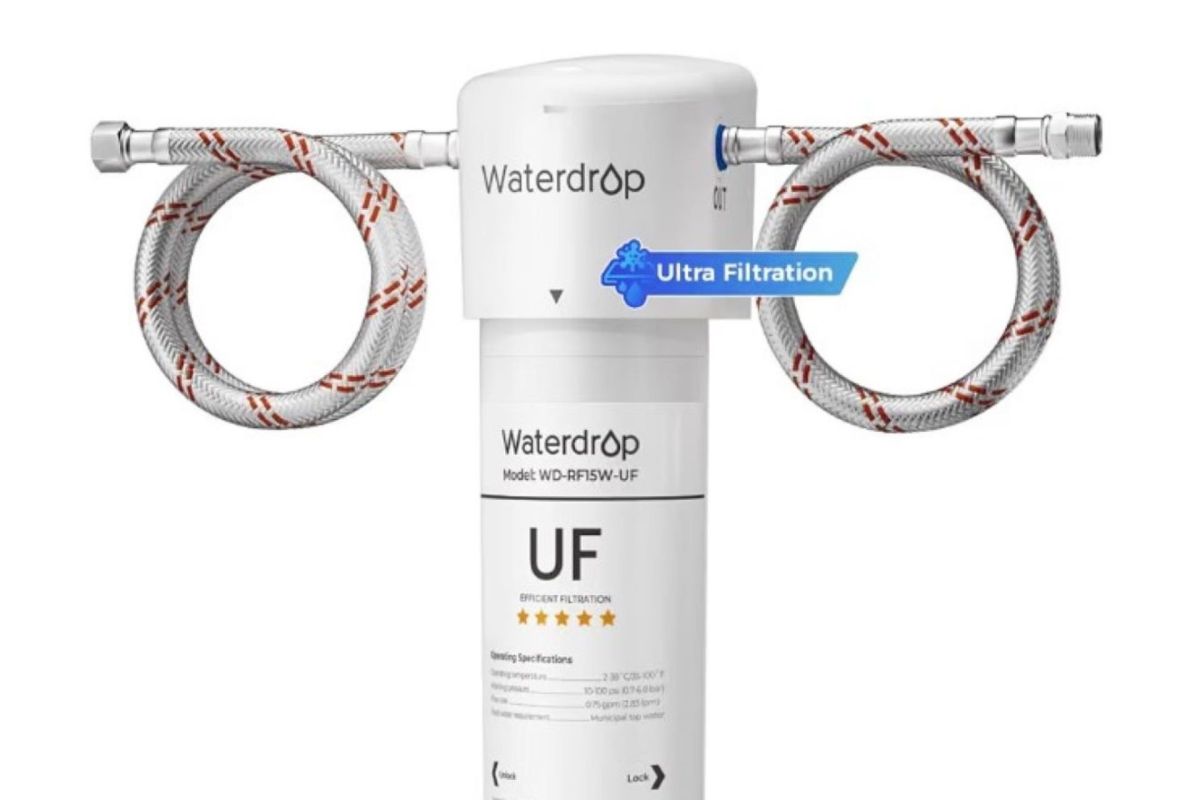
Different parts of a filtration setup address different concerns. A sediment filter can help remove larger particles, while carbon, finer filters, and UV treatment target other water-quality issues.
When money is tight, a phased approach may be more realistic than trying to make every tap in the home potable all at once. That could mean continuing to use a simpler whole-house system for washing and cleaning while first investing in stronger treatment at a kitchen faucet for drinking water. However, cutting corners or doing things on a budget could lead to health concerns.
Treatment choices for harvested rainwater depend on the actual conditions of the roof, the storage tanks, and the plumbing carrying the water.
Where can I learn more?
When it comes to off-grid living, there is no one single rule to solve all issues. Solutions can depend on location, budget, and knowledge.
• At an off-grid dry cabin, no water connection forced careful choices about daily supply.
• High-tech hydropanels turned water vapor into potable tap water for daily use.
• One homeowner saved money after adding water-generating hydropanels to the property.

Get TCD's free newsletters for easy tips, smart advice, and a chance to earn $5,000 toward home upgrades. To see more stories like this one, change your Google preferences here.






