


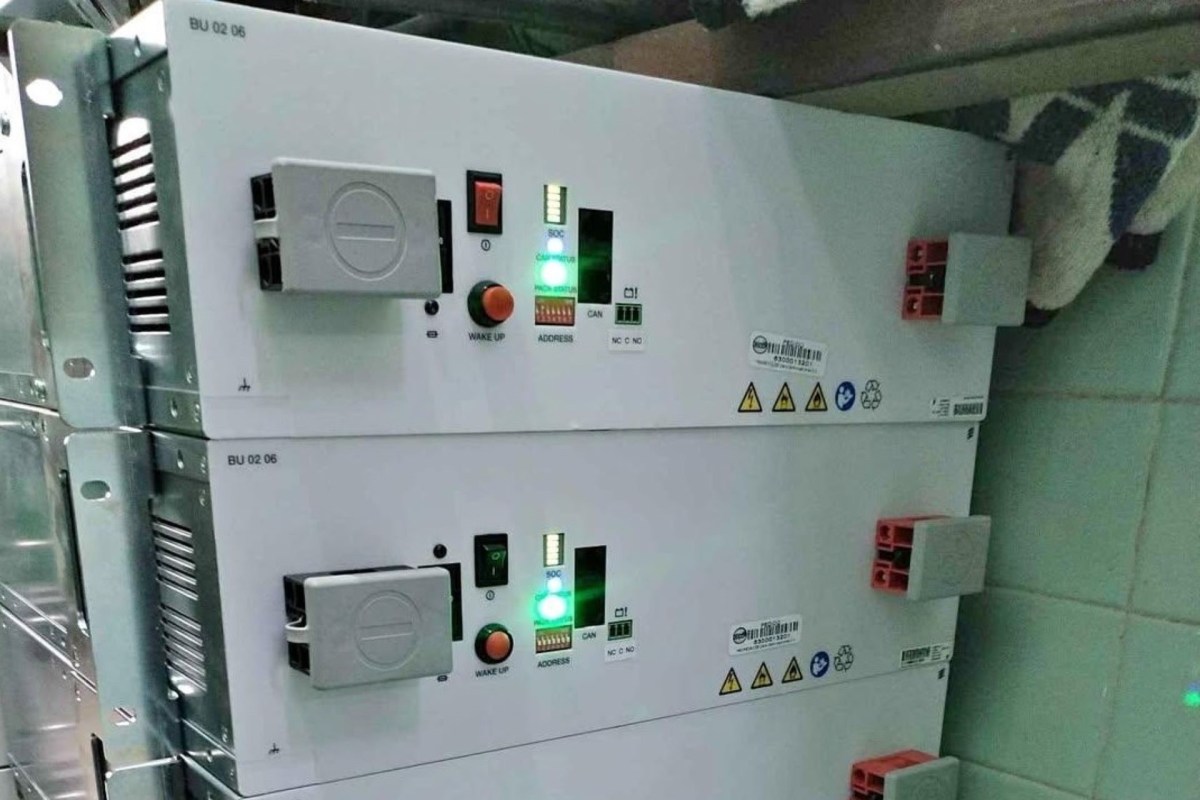
Scoring a bargain on secondhand gear can feel like a huge win, especially with expensive solar equipment. But one DIY solar owner's post about a suspiciously cheap battery listing showed how quickly a "good deal" can turn into a costly mistake.
Here's what to know
On Reddit's r/SolarDIY forum, the original poster explained that they found a battery deal on Facebook and wondered if it was too good to be true.
"The post says they are 48 v 100 Ah and they cost 150 dollars each, but I don't recognize the brand," the OP wrote. "I only have a Ecoflow max 2 and I want to expand its capacity."
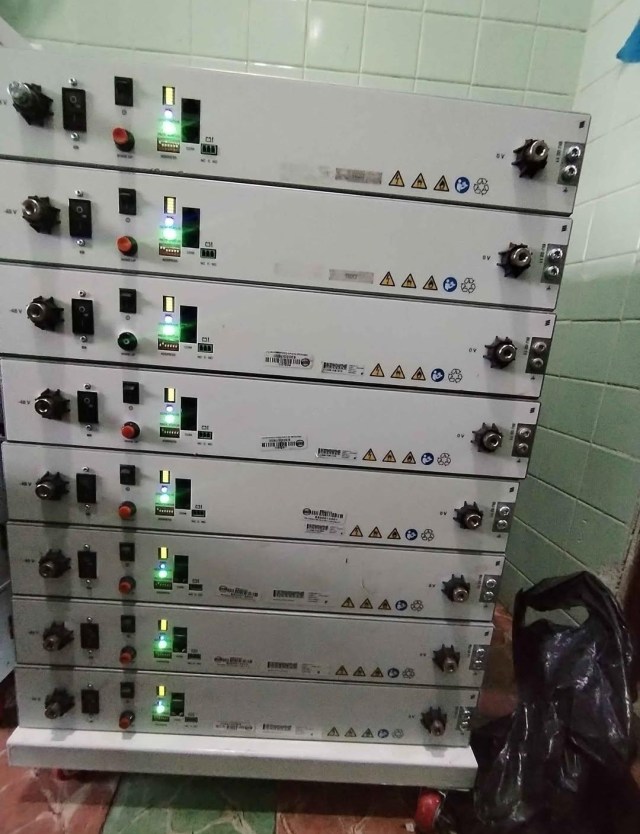
They ended by asking, "Should I buy a couple?"
Commenters were nearly unanimous in their response: The price was simply too low to be trusted.
"A 4.8kWh battery for $150 is the battery equivalent of a Nigerian prince email," one person wrote. "Cells alone cost more than that. And the Max 2 only expands with Ecoflow's own batteries anyway."
Still, when done right, adding battery storage is one of the best ways to protect your home during outages, save money on energy, and move closer to an off-grid setup. If you're exploring legitimate options and seeking to avoid Facebook scams, EnergySage can help you compare home battery storage choices and competitive installation estimates. EnergySage has teamed up with electrification brand Qmerit to guarantee you get the best price on home battery storage solutions.
Another option is Pila, which offers plug-and-play batteries priced at a fraction of what a whole-home backup system would cost, but without the uncertainty of buying secondhand equipment online.
Save $10,000 on solar panels without even sharing your phone number Want to go solar but not sure who to trust? EnergySage has your back with free and transparent quotes from fully vetted providers in your area. To get started, just answer a few questions about your home — no phone number required. Within a day or two, EnergySage will email you the best options for your needs, and their expert advisers can help you compare quotes and pick a winner. Solar panels can save you more than $50k over their 25-year lifespan, and EnergySage can help you save as much as $10k on installation. Which begs the question — isn't that worth an email or two? |

More background
Secondhand shopping can save money, reduce waste, and keep usable products in circulation instead of sending them to landfills.
But batteries are a different category from furniture, clothing, or kitchenware. A mislabeled, degraded, stolen, or gutted battery can create serious financial and safety risks, especially for someone planning to rely on it for home backup power or a new solar build.
Some commenters were unforgiving in their assessments.
"They're either empty or stolen," one person warned.
The OP replied, "It looked sketchy to me, too."
The OP then explained that, according to the seller, the batteries were supposedly bought to set up a giant World Cup viewing screen and were now being resold. The somewhat dubious story only added to the uncertainty surrounding the batteries.
A few other commenters remarked that, even if the batteries were legitimate, they would not work properly with the OP's existing EcoFlow unit. While some users said workarounds were possible, they cautioned that such meddling would likely void the warranty.
What can be done?
For shoppers interested in used energy gear, the first step is verification. Rather than buying such equipment from strangers online, it is better to work with a business with an established track record.
It also helps to compare the listing with realistic market value. If a price is dramatically below what the components alone should cost, that is usually a sign to walk away rather than gamble on equipment that may not work — or may never have been what it claimed to be.
For most household items, secondhand shopping can significantly cut costs and reduce waste; it just requires more caution with high-voltage electronics than with everyday thrift finds.
Battery storage remains one of the best tools for keeping essential devices running during outages, lowering utility bills, and building energy independence. The key is choosing equipment with verified specs, safe installation, and support that will not disappear after the sale.
Where can I learn more?
For a closer look at what can go wrong with bargain batteries — and what smarter alternatives look like — these stories explore battery quality, reuse, and the realities of buying energy storage.
• A DIY solar expert opened up a $600 Amazon battery and found badly crooked cells inside.
• One homeowner got crafty after exposing shocking waste from discarded vape cartridges and tiny lithium batteries.
• SunPower and Palmetto are helping homeowners install home backup batteries without steep upfront costs.
• In California, B2U Storage Solutions already reuses hundreds of old electric vehicle batteries for solar backup.
• In Massachusetts, salvage yards can't always find takers for old EV batteries.

Get TCD's free newsletters for easy tips, smart advice, and a chance to earn $5,000 toward home upgrades. To see more stories like this one, change your Google preferences here.






