


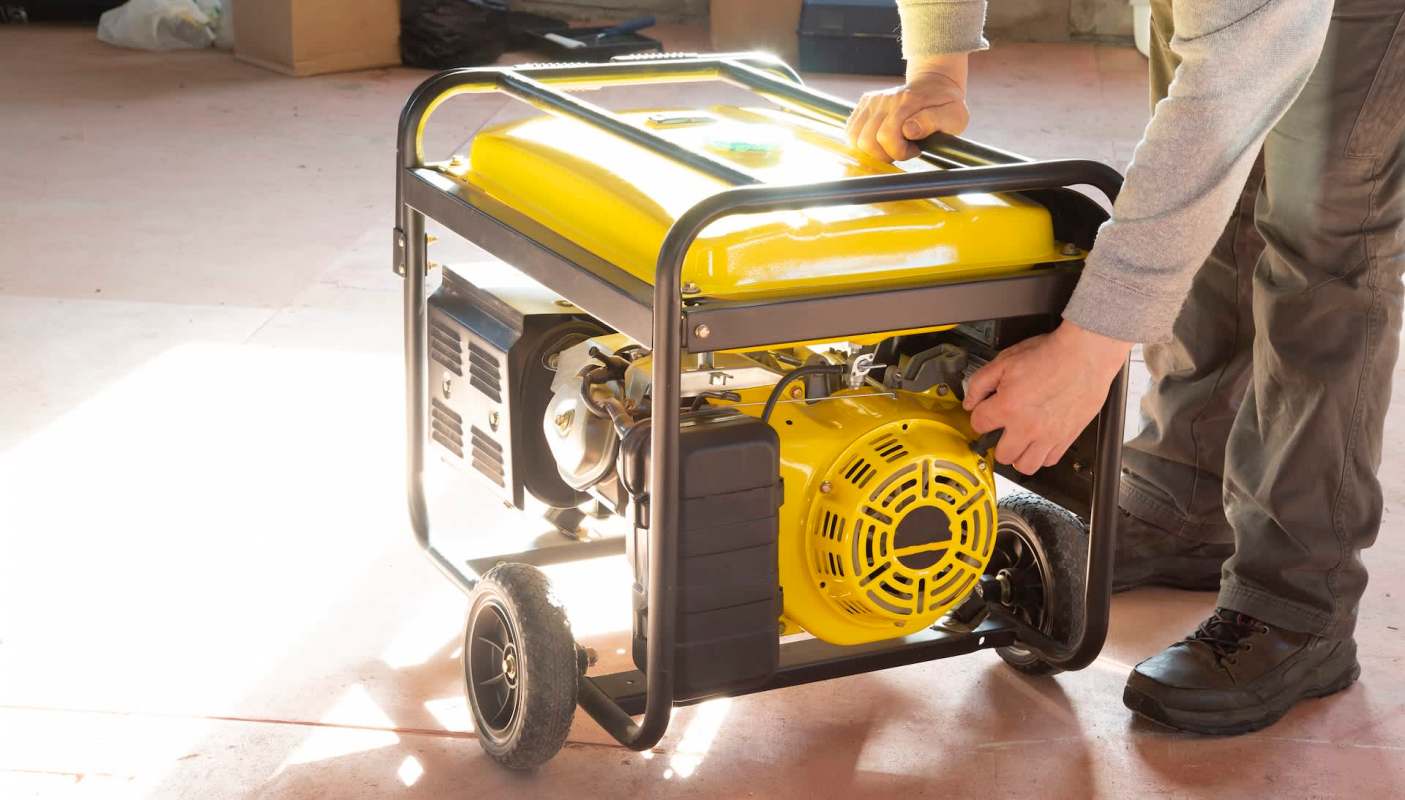
A simple question about using a newly bought inverter generator in bad weather prompted a long exchange of low-cost backup power advice.
Rather than steering the owner toward an expensive add-on, commenters mostly shared household workarounds, from patio furniture and plywood to umbrellas and kiddie pools.
Here's what to know
The discussion started in a Reddit thread where someone who had just purchased a WEN 680 IX for outage essentials asked if a Gen Tent Extreme tent was really needed or if the generator could be run outdoors uncovered during a storm.
"I just bought a small inverter generator to run the bare necessities during a power outage," the original poster wrote. "I'm of two minds whether I need to use a tent cover or not."
The consensus was to shield it somehow, even with a makeshift setup. "It should be covered but it doesn't have to be anything fancy or expensive. Under a table, upside down kiddie pool, etc," one user wrote.
"Imagine you go through all the hassle of setting up a backup generator for it to die to some big downpour," another warned.
One person shared, "I just rigged up a 1 1/2 PVC pipe strapped to one of the legs of the generator frame and will drop a golf umbrella into the PVC."
"Electronics and water do not get along typically. For those that will run them in the rain uncovered, well, good luck," one commenter said.
Save $10,000 on solar panels without even sharing your phone number Want to go solar but not sure who to trust? EnergySage has your back with free and transparent quotes from fully vetted providers that can help you save as much as $10k on installation. To get started, just answer a few questions about your home — no phone number required. Within a day or two, EnergySage will email you the best local options for your needs, and their expert advisers can help you compare quotes and pick a winner. |

Suggestions ranged from a $10 golf umbrella to a patio folding table someone already owns, and one user said a used golf-cart canopy cost $50, all well below the $200 GenTent Extreme tent being considered.
More background
Small inverter generators have become popular because they can keep basic household needs running during outages, but they're quieter than larger generators and don't use as much fuel. That makes them appealing for people who want backup power for necessities at a lower cost.
The tradeoff is that add-ons can push the total cost up fast. Regarding the tent they were eyeing, the original poster said, "The thing I was looking at is $200 which is insane."
People also recommended reusing things that may already be around the house, such as patio tables, plywood sheets, storage tubs, and tarps, with several commenters saying that kind of setup was adequate for occasional emergencies.
More From EnergySage
💡Go deep on the latest news and trends shaping the residential solar landscape

However, any cover needs to avoid trapping heat or exhaust — and, as always, generators should still be used outside to avoid trapping toxic fumes indoors.
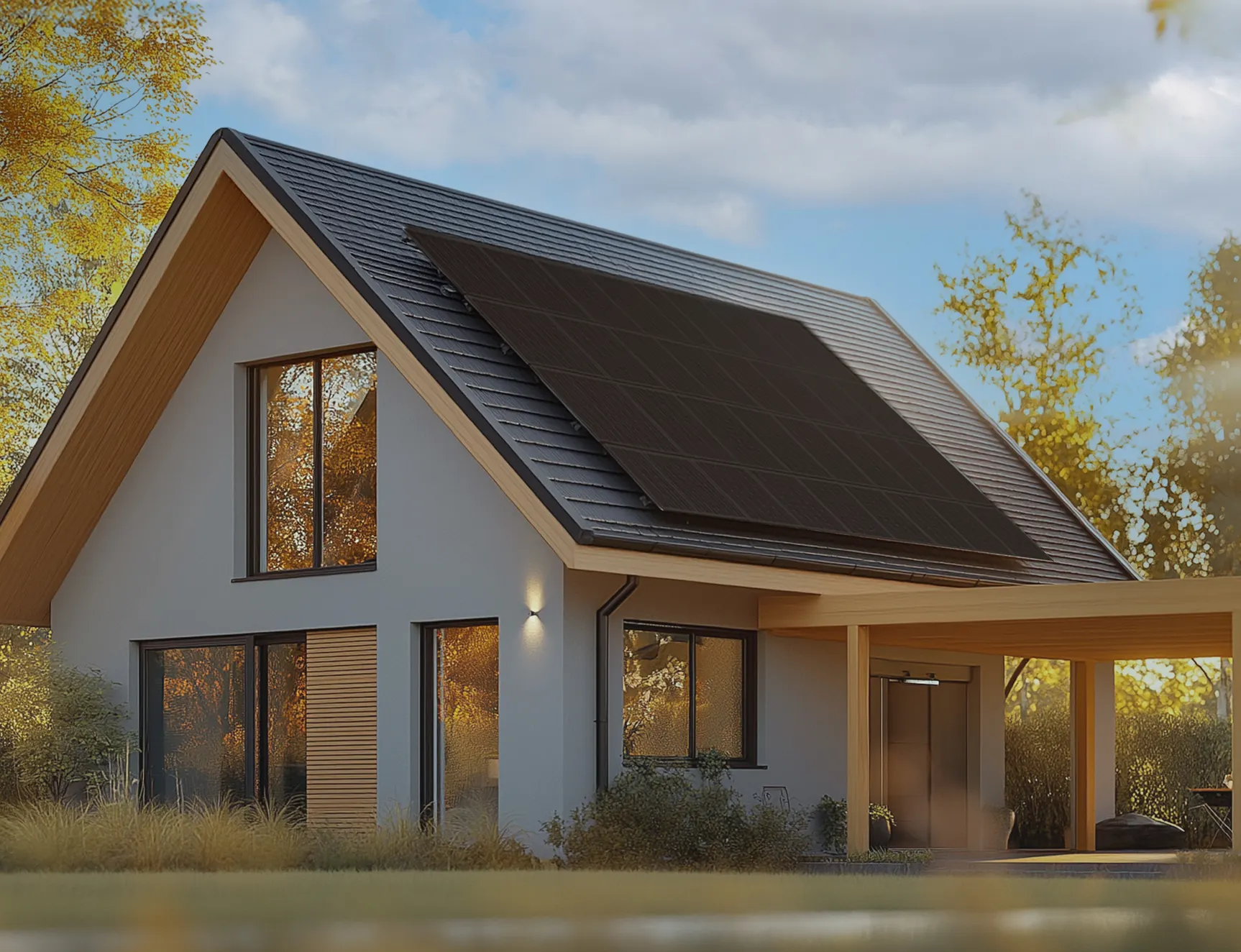
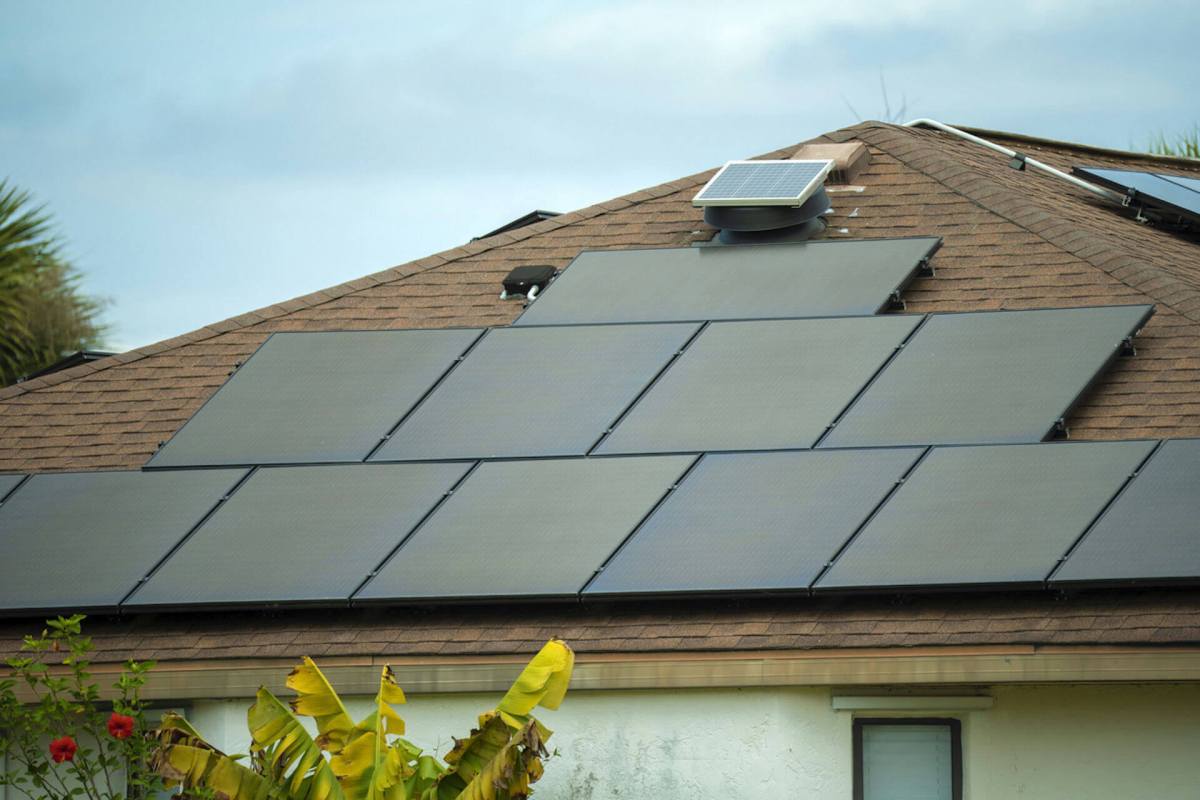
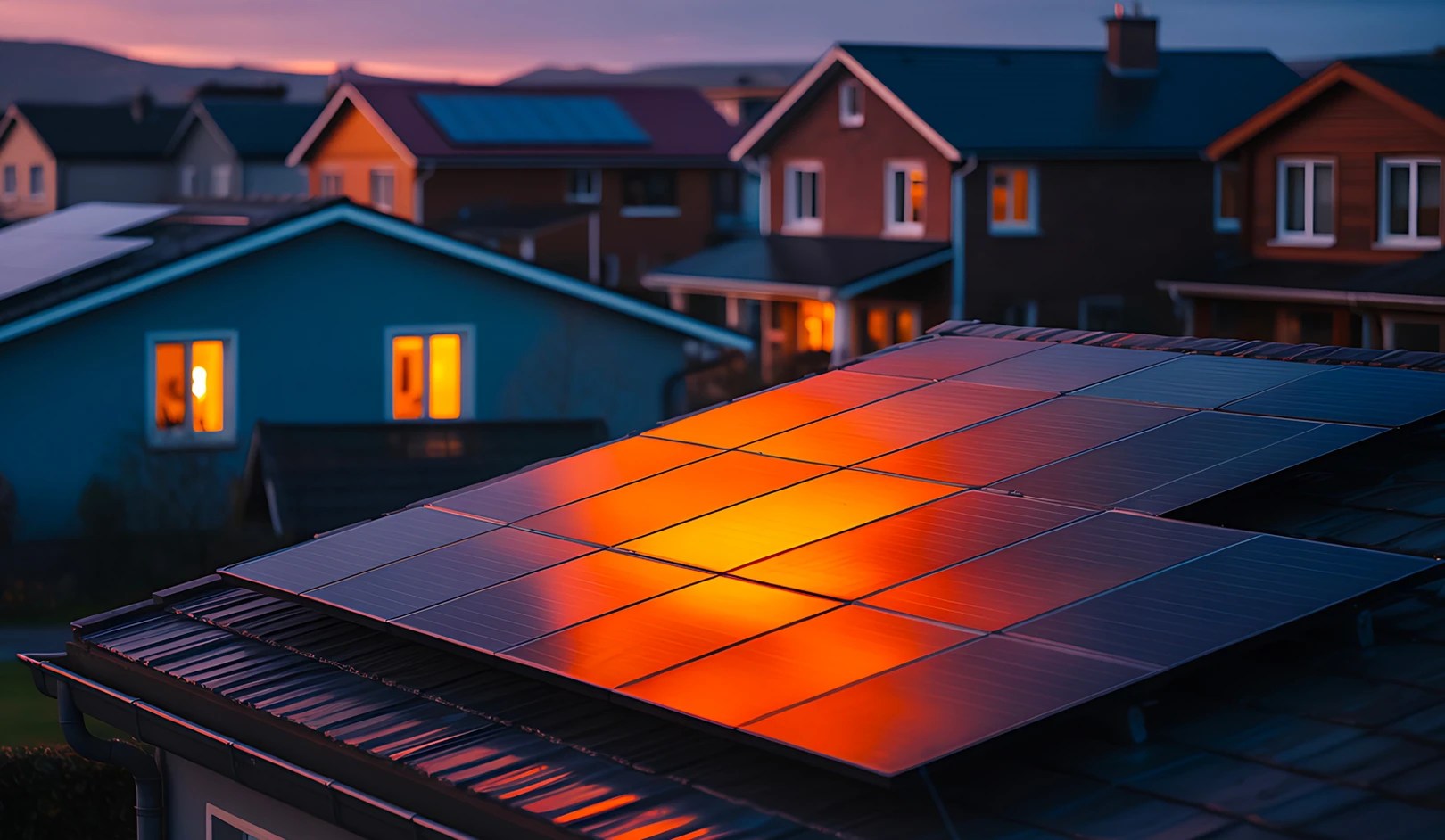
Another option for saving money and supplying power in an outage is a solar panel setup with battery storage. EnergySage can help you compare quotes to find the best price for solar installation.
What can be done?
For people putting together an outage plan, the first step is simple: read the generator manual, choose a safe outdoor location, and think through rain protection before severe weather arrives. In many cases, the cheapest fix may already be sitting in the garage or backyard.
Adding battery storage to a solar setup is one of the best ways to protect your home during outages, save money on energy, and go off-grid. Paired with rooftop panels, a home battery can store extra power for later use and keep critical devices running when the grid goes down. Homeowners can explore EnergySage for information about home battery storage options, including competitive installation estimates.
If you haven't installed solar panels on your home yet, EnergySage can help with that too. It helps the average homeowner save up to $10,000 on solar installation through free services such as quotes from vetted local installers and a state-by-state map showing solar panel costs and incentives in your region.
Where can I learn more?
These stories dig into the same backup power choices homeowners weigh before storms and outages.
• One homeowner questioned enclosure-style generator boxes as noise concerns collided with airflow and warranty risks.
• In Texas, one homeowner feared a 190-pound generator would be impossible to move at 2 a.m.
• After Hurricane Beryl, experts warned that carbon monoxide risks can turn backup power deadly.
• Homeowners weighing blackouts found generators or solar panels changed costs, noise, and peace of mind.
• Energy experts said safer home batteries can replace gasoline generators without the fumes or noise.

Get TCD's free newsletters for easy tips, smart advice, and a chance to earn $5,000 toward home upgrades. To see more stories like this one, change your Google preferences here.






