


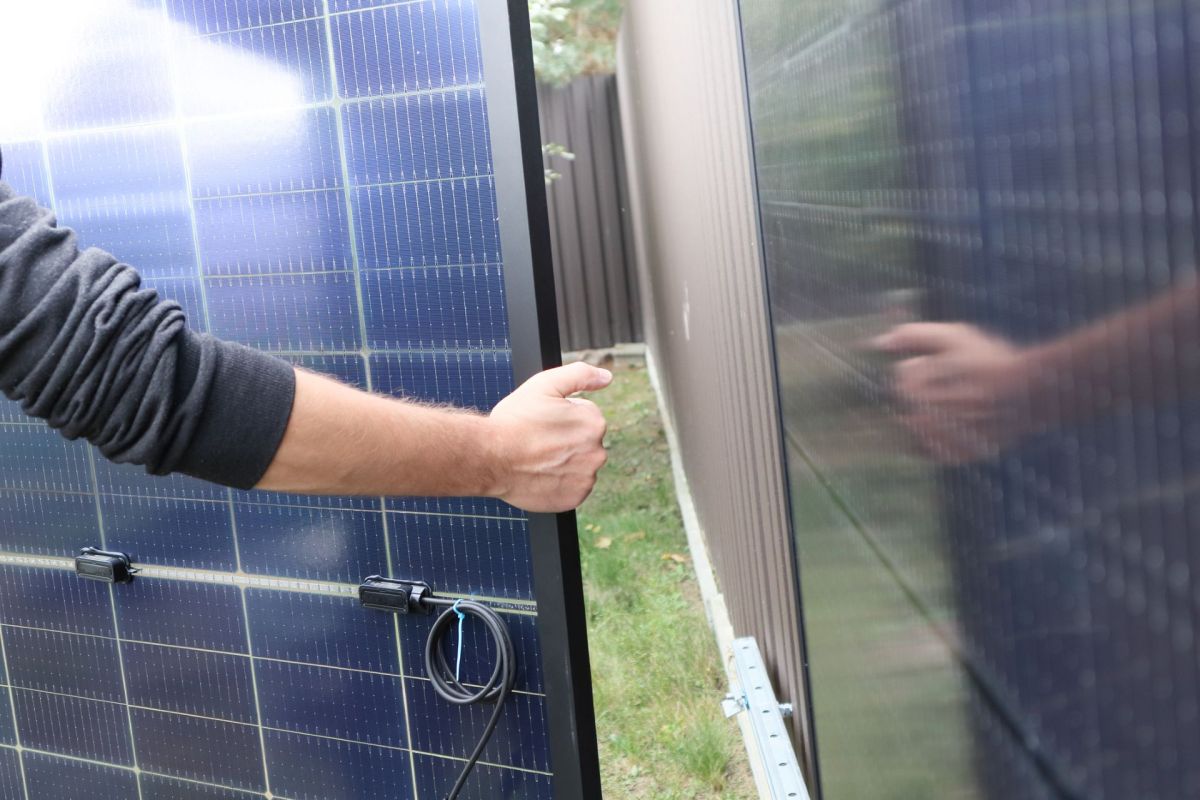
A Florida homeowner trying to build a DIY solar setup said the hardest part has not been installing the equipment — it has been getting their city's approval to move forward.
In a Reddit post about a residential project in Melbourne, the builder described a permitting process that stretched across three revisions, with new requirements surfacing each time the plans were resubmitted.
Here's what to know
Writing on the r/DIYSolar subreddit, the homeowner described the city's shifting requirements, which had them on their third revision of their planned solar project.
Each time the original poster took their plans to the city, officials imposed different standards, sending them back to the drawing board.
In the first revision, the city had asked for missing structural and electrical details and said the interconnection needed either professional engineer documentation or an electrician. After the plans were updated and an electrical contractor was brought in, reviewers then said in the second revision that the structural plans also had to be signed and sealed by an engineer.
In the third revision, the OP said the structural plans had been approved, but the electrical side was still denied pending either engineer documentation for the panels or a Florida Solar Energy Center certificate.
The result, the OP wrote, was a costly and time-consuming loop.
"It's so frustrating that they couldn't just mention this to begin with instead of acting like I'm missing little things," the OP wrote.
Save $10,000 on solar panels without even sharing your phone number Want to go solar but not sure who to trust? EnergySage has your back with free and transparent quotes from fully vetted providers that can help you save as much as $10k on installation. To get started, just answer a few questions about your home — no phone number required. Within a day or two, EnergySage will email you the best local options for your needs, and their expert advisers can help you compare quotes and pick a winner. |

That kind of red tape can discourage people from making home upgrades that cut utility bills and reduce pollution. Going solar is one of the best ways to save money on home energy, and homeowners who want to compare options can try EnergySage to get free solar installation estimates and compare quotes.
Other Redditors suggested that, unfortunately, the OP's experience was far from unusual.
"Yea…I did diy in a nearby city, but hired out the design/permitting work to meet how I wanted to install it (Project solar diy kit)," said one commenter.
More background
The situation highlights a major challenge for rooftop solar adoption: Even when homeowners are willing to invest their own time and money, confusing permit requirements can become a barrier.
More From EnergySage
💡Go deep on the latest news and trends shaping the residential solar landscape

Delayed or abandoned installations can slow progress toward cheaper home energy in communities that could benefit from lower electric bills and cleaner air.
Repeated revisions can also add engineering costs, contractor fees, and long waits before a system can begin generating savings.
For some commenters, the practical answer was to hand off design and permitting work instead of doing every step alone, with several lamenting the state of solar regulations in Florida.
"Florida solar is the worst," wrote one. "Many states only require basic plans without a PE."
What can be done?
One takeaway from the OP's ordeal is that homeowners may want a written checklist from both the local building department and the utility before submitting plans for a solar project. Confirming upfront whether stamped structural and electrical documents are required for both the AC and DC sides of the system can help prevent expensive, time-consuming misunderstandings later.
If a fully DIY route starts to look too risky, comparing the cost of professional help may save money. With EnergySage's assistance, the average person can save up to $10,000 on solar purchases and installations. Homeowners can also use EnergySage's solar map, which shows the average cost of a home solar panel system by state and details solar panel incentives for each state. Together, those tools can help homeowners get the best price for rooftop solar panels and access available incentives.
Adding battery storage to a solar setup is also one of the best ways to protect your home during outages, save money on energy, and go off-grid. Homeowners interested in backup power and added resilience can explore EnergySage for information about home battery storage options, including competitive installation estimates.
Hiring a professional to handle your installation might cost a little more up front, but it can help you avoid the bureaucratic headaches and red tape the OP is dealing with.
Where can I learn more?
Homeowners running into shifting solar rules are far from alone. Across several states, local policies and homeowners association disputes have stalled or threatened residential solar projects.
• In California, homeowners said officials put a brick wall in front of rooftop solar adoption.
• In Ohio, an HOA president repeatedly denied neighborhood solar, pushing a contractor to seek legal guidance.
• In Wisconsin, a homeowner sought clarity after receiving resistance from an HOA over solar panels.
• A homeowner was stunned when an HOA sent a violation two years after installation.
• In southern California, a homeowner learned an HOA can't stop you from adding rooftop solar.

Get TCD's free newsletters for easy tips, smart advice, and a chance to earn $5,000 toward home upgrades. To see more stories like this one, change your Google preferences here.






