


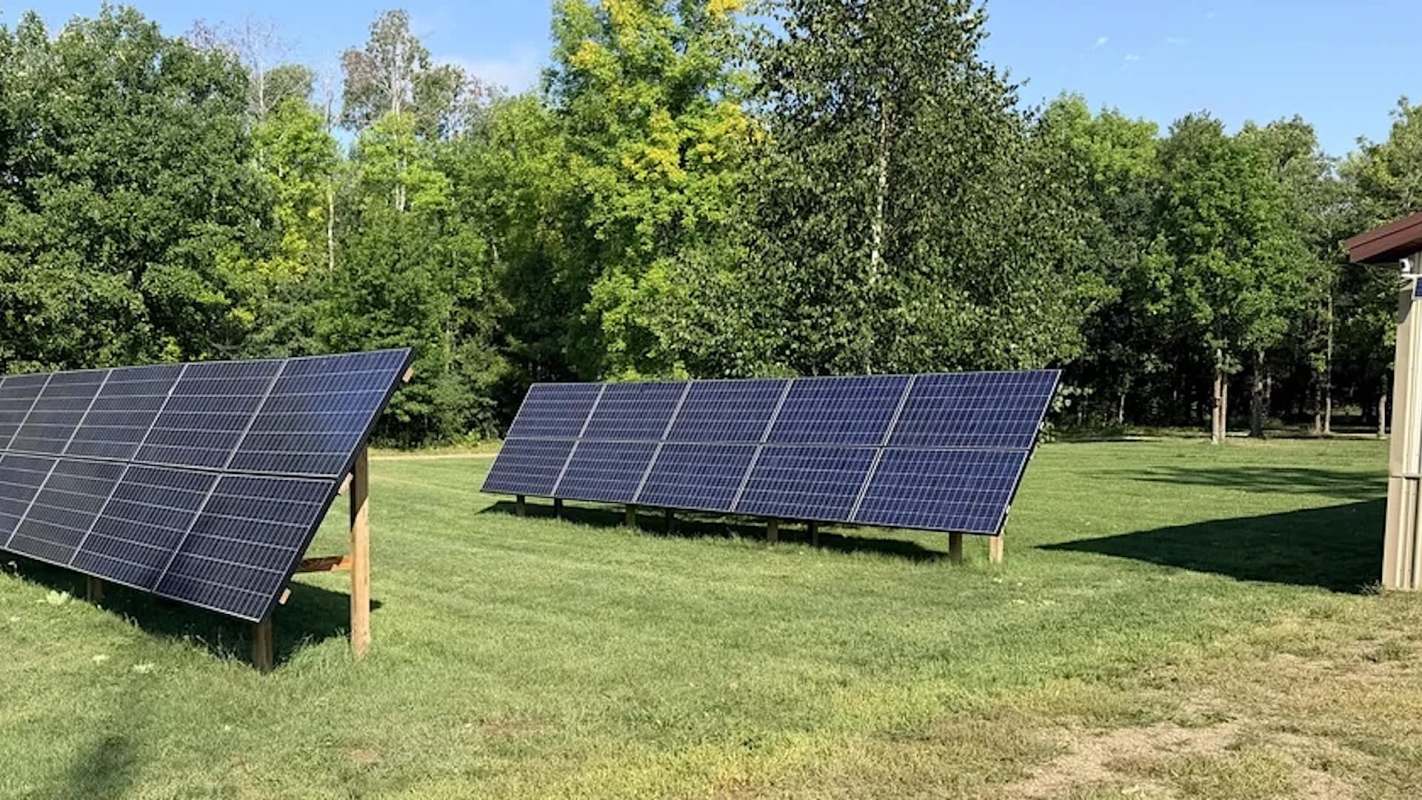
Buying a property with existing solar panels might seem like an easy path to lower energy bills. But for one Minnesota cabin owner, purchasing a DIY off-grid setup became a lesson in how difficult it can be to connect older equipment to the utility grid.
Here's what to know
The original poster explained on Reddit that they bought an off-grid cabin in north-central Minnesota that came with a DIY solar system. After living there full time for about a year, the OP determined that their higher winter electricity use made utility service a better fit for their needs.
In order to connect the utility service, the OP needed to first disconnect the previous owner's DIY solar system.
While the owner expected to connect the solar panels to the electrical grid at some point in the future, that next step proved difficult. With installers and electricians showing little interest in taking on the project, the OP turned to the internet for advice.
"Am I on a wild goose chase here?" they asked. "Is there something about doing an interconnect with existing panels that is scaring folks away from my money? Or am I just having bad luck?"
Many responses indicated that the OP's project was the kind many solar installers tend to avoid.
"An off grid inverter is not designed to connect to the grid," explained one commenter, adding that, for installers, "Their time is more profitable on new systems."
"Most also don't seem to like to touch other installers' stuff," they added.
Save $10,000 on solar panels without even sharing your phone number Want to go solar but not sure who to trust? EnergySage has your back with free and transparent quotes from fully vetted providers that can help you save as much as $10k on installation. To get started, just answer a few questions about your home — no phone number required. Within a day or two, EnergySage will email you the best local options for your needs, and their expert advisers can help you compare quotes and pick a winner. |

For homeowners starting from scratch, going solar is one of the best ways to save money on home energy. EnergySage's easy-to-use, online tools let shoppers get free solar installation estimates and compare quotes before signing a contract.
More background
Buyers of cabins, rural homes, and other off-grid properties may not realize that solar equipment that works fine on its own may not be ready for grid export.
In response to the OP's question, several people said the interconnection process usually begins with the utility company rather than the installer.
One commenter said their own MN Power setup involved checking whether the local transformer could handle the planned system size, submitting an interconnection application, adding a generation meter and disconnect, and arranging for the utility and electrician to be on-site together for the last step.
More From EnergySage
💡Go deep on the latest news and trends shaping the residential solar landscape

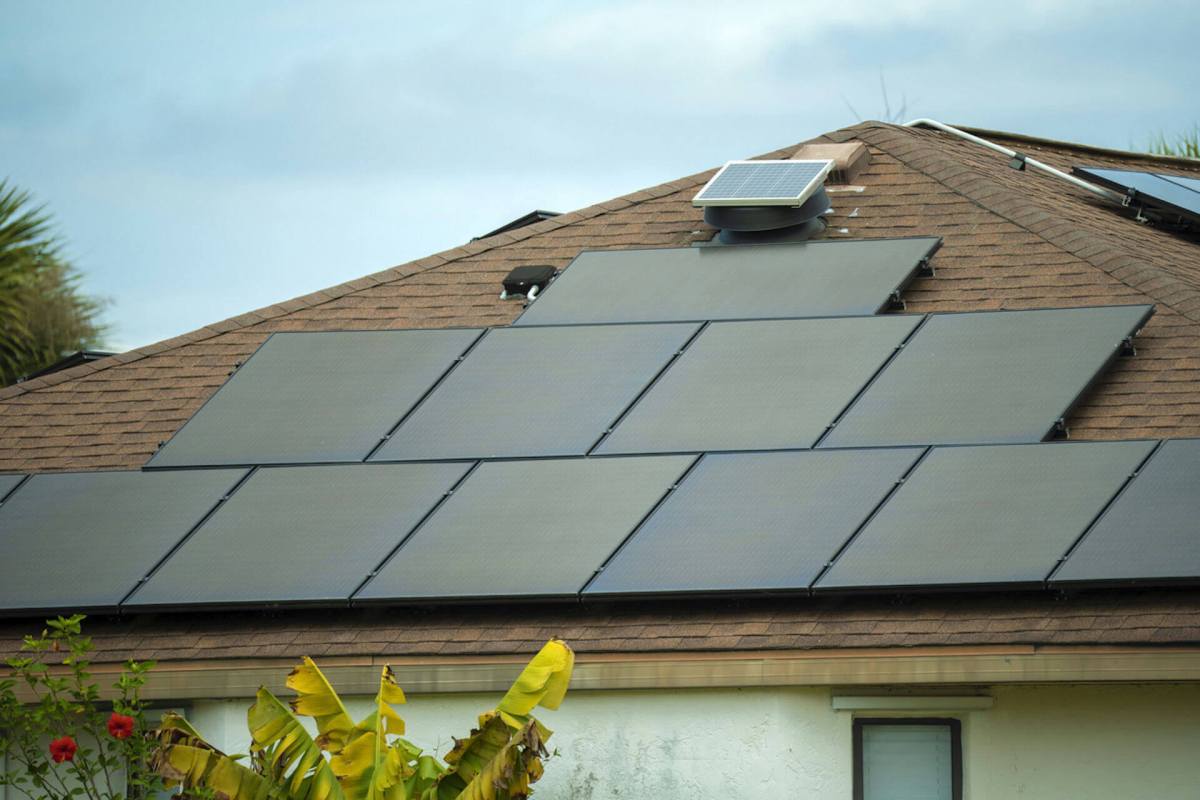

The financial benefits of solar can quickly diminish if a homeowner suddenly needs a new inverter, fresh permits, inspection work, or a partial rebuild. All of these factors can make acquiring an existing off-grid system more of a costly headache than originally assumed.
What can be done?
For homeowners facing a similar situation, commenters said the job starts with figuring out exactly what hardware is on the property, with the inverter model being especially important, and then confirming the utility's interconnection rules.
If the panels and existing wiring can still be used, commenters suggested the remaining work may mostly involve permits, a grid-approved inverter, and a licensed electrician to complete the connection.
Adding battery storage to a solar setup is one of the best ways to protect your home during outages, save money on energy, and even go off-grid. Homeowners can explore EnergySage for information about home battery storage options, including competitive installation estimates.
For anyone still comparing costs, EnergySage's solar map shows the average cost of a home solar panel system by state, as well as details on local solar panel incentives. Together, those resources can help homeowners get the best price for rooftop solar panels.
Using EnergySage, the average person can save up to $10,000 on solar purchases and installations.
Where can I learn more?
Solar panels offer a way to reduce energy bills in the long term, but homeowners should do their research before rushing into a purchase.
• In Ohio, a homeowner learned net metering may leave much of a power bill intact.
• Off-grid homeowners said the hardest part of leaving utilities is managing daily tradeoffs year-round.
• One solar owner said if they could redo their setup, batteries would come first.
• EnergySage's COO broke down interconnected factors behind why solar quotes can vary so sharply.
• One homeowner used solar kits and took charge of life beyond the city's grid.

Get TCD's free newsletters for easy tips, smart advice, and a chance to earn $5,000 toward home upgrades. To see more stories like this one, change your Google preferences here.






