


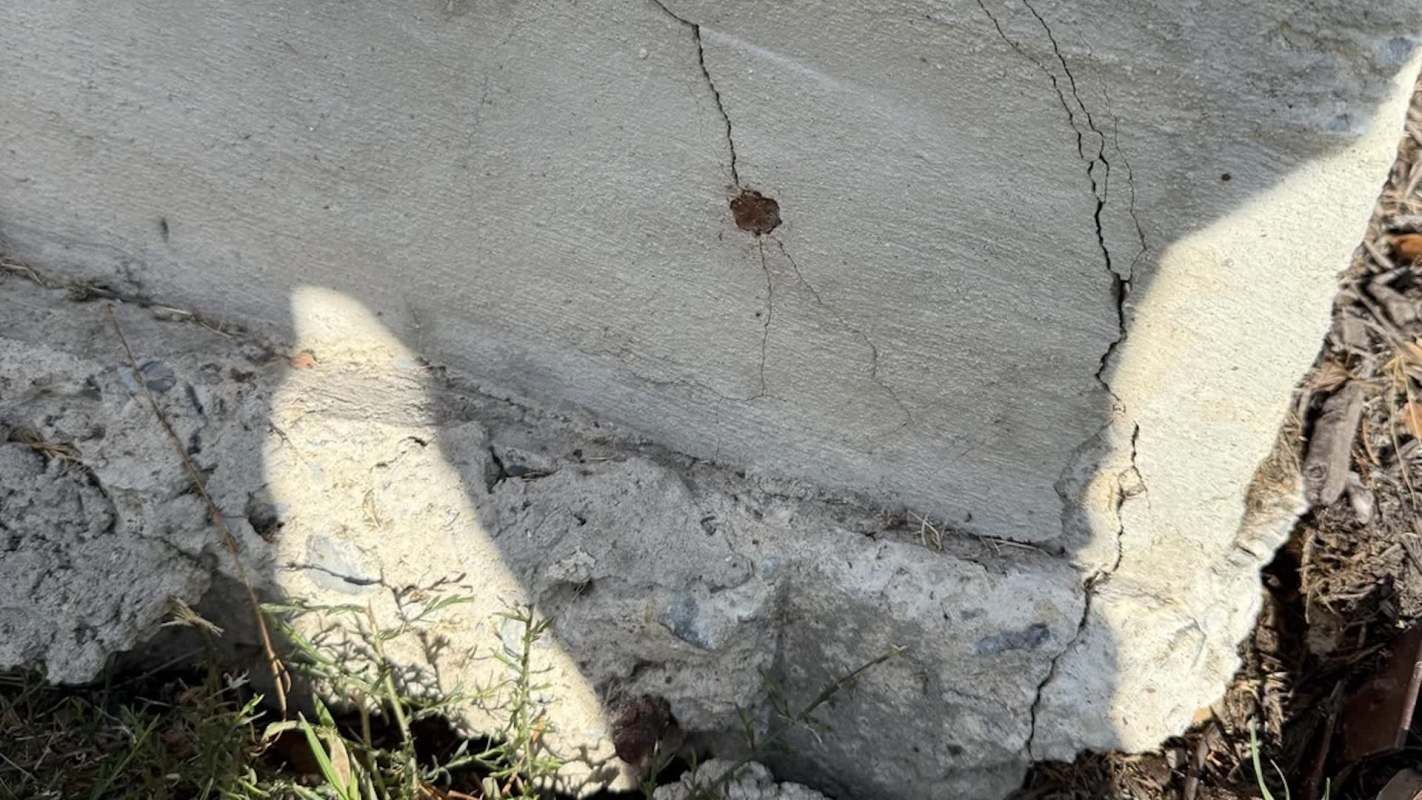
Cracks around a home's foundation can quickly send first-time owners into a panic, especially in North Texas, where shifting soil is a familiar concern.
That was the case for one Dallas homeowner, who turned to Reddit after noticing foundation and driveway cracks just six years after buying their first home.
Here's what to know
"This is our first home so we don't know jack," the homeowner explained. "Is there a repair for this or do we leave it as is?"
Thankfully for the homeowner, the general consensus was that the cracks were nothing serious and were simply a fact of life for North Texas homeowners.
"You have what appear to be cosmetic cracks in your concrete," said one commenter. "I've always told people there are three certainties in life: death, taxes, and concrete cracks."
The same commenter said the crack was worth monitoring and suggested bringing in an engineer only if it opened wider than about 3/16" or showed "vertical displacement."
TCD Picks » Quince Spotlight
💡These best-sellers from Quince deliver affordable, sustainable luxury for all




Another Redditor, who identified themselves as a home inspector, recommended backfilling the exposed footer and potentially using a coating to seal the cracks. However, they said that, by and large, the situation was not a cause for concern.
"That is a conner pop," they explained. "Basically every home has at least one in North Texas."
Some replies focused less on the crack itself and more on the area's soil, noting that North Texas clay can shift in dry weather. Other homeowners in the area recommended watering around the foundation during dry spells to reduce foundation-damaging soil movement.
What can be done?
For homeowners concerned about concrete cracks, monitoring the situation over time can help prevent the situation from one day becoming a serious cause for concern.
Taking photos, checking whether the gap changes over time, and watching for signs such as uneven movement, sticking doors, or widening openings can help distinguish cosmetic wear from a major issue.
In addition to monitoring soil conditions, commenters also advised paying attention to the home's drainage. They recommended keeping water directed away from the house, maintaining soil around the foundation, and getting a second opinion from a licensed engineer or trusted inspector if the crack grows or the slab begins shifting vertically.
Where can I learn more?
Homeowners have faced similar issues that have led them to think the worst.
• A homeowner noticed worrisome water pooling outside the residence and questioned the yard's drainage.
• A surveyor warned bamboo can actually cause damage to foundations when left unchecked.
• A homeowner battled a plant growing near their home's foundation after neighbors warned it breaks concrete.
• A homeowner faced encroaching effects of neighbor's backyard turf project as the ground sagged.
• A new homeowner uncovered a dangerous landscaping feature and weighed the soil-safety tradeoffs in the yard.

Get TCD's free newsletters for easy tips, smart advice, and a chance to earn $5,000 toward home upgrades. To see more stories like this one, change your Google preferences here.






