


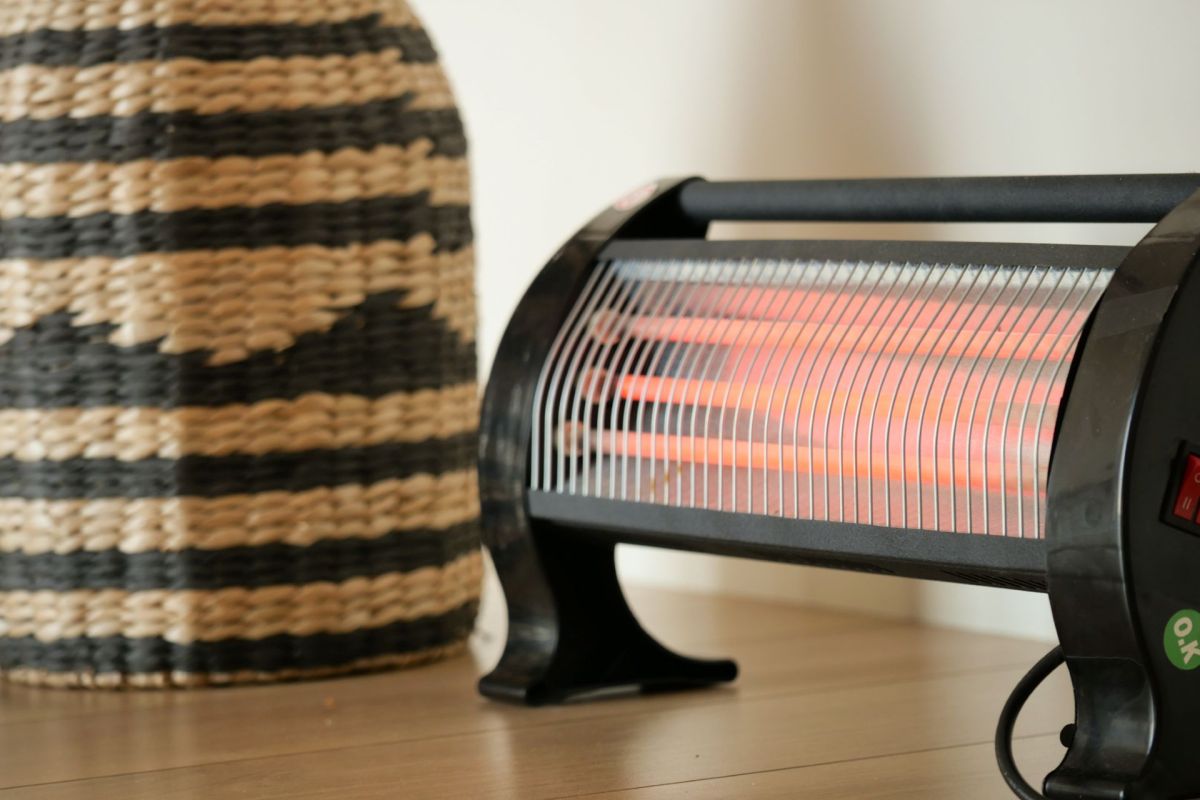
A townhouse owner dealing with extra solar power and an awkward winter comfort issue posed what sounded like a simple home-energy question: What is the most efficient plug-in heater?
The responses turned into a useful myth-busting lesson for anyone considering a space heater purchase. For standard plug-in models, commenters said, there is not really a "most efficient" option.
Here's what to know
In a Reddit thread, the poster explained that a mini-split was not practical for the home. The idea instead was to turn extra solar power into heat that could counter the cool air from a heat pump water heater, or HPWH.
"Just need to dump some heat into the space," the owner added.
Commenters mostly said the efficiency question has a straightforward answer for standard plug-in units.
One wrote, "All plug in heaters are the same. 1 kw of power = 1 kw of heat. Just pick the design that fits your space. Without a refrigerant cycle, the max efficiency that's possible is 100%."
TCD Picks » Quince Spotlight
💡These best-sellers from Quince deliver affordable, sustainable luxury for all




"All of them will be equally efficient because they are using the same amount of power to produce the same amount of heat," another added.
A heater advertised as "high efficiency" may not use less electricity than another resistance model with the same wattage.
Several commenters preferred oil-filled radiator heaters for comfort, saying they warm more gradually and operate quietly compared with fan-driven units. That can make them more pleasant to use, even though it does not change the basic energy math.
More background
The discussion comes at a time when space heaters are often marketed with confusing claims, and many households are trying to make smarter use of rooftop solar, electrified appliances, or both.
"The beauty of thermodynamics is that everything eventually becomes heat," one commenter said. "All energy used to do something useful ends up just heating stuff up in the end."
That is also why heat pumps sit in a different category: they move heat instead of only generating it through resistance. But when the comparison is limited to ordinary plug-in heaters, the thread's takeaway was that comfort and heat distribution vary by design, while efficiency does not.
Some replies suggested looking at the water heater itself before buying another appliance.
One commenter explained, "Using resistive heat to offset the cold air from your HPWH is just a roundabout way of heating your water with resistive heat like an ordinary electric water heater. If that's what you want to do in the end, just put the HPWH into straight resistance heat mode (usually an option) and let it ride."
What can be done?
Features such as tip-over protection, thermostat controls, circuit load, noise level, and whether you prefer radiant warmth or moving warm air may matter more in everyday use than efficiency claims on standard plug-in heaters.
Excess solar production can also be used where it delivers the most value. That could mean charging an EV or using a simple space heater in the room that actually needs warmth instead of spending more on a premium-labeled unit that will not reduce power consumption.
Where can I learn more?
If this space-heater debate has you thinking about bigger heating decisions, these stories offer more context.
• Across cold-weather homes, winter heat pump myths keep many families from cutting bills.
• Even in brutal climates, negative-30-degree temperatures do not automatically rule out heat pumps.
• For whole-home comfort, five times more efficient heat pumps can outperform older heating systems.
• Appliance experts say ultra-efficient heat pumps can save homeowners thousands on installation and bills.
• As utility costs rise, annual heating costs can drop sharply after a heat pump upgrade.

Get TCD's free newsletters for easy tips, smart advice, and a chance to earn $5,000 toward home upgrades. To see more stories like this one, change your Google preferences here.






