


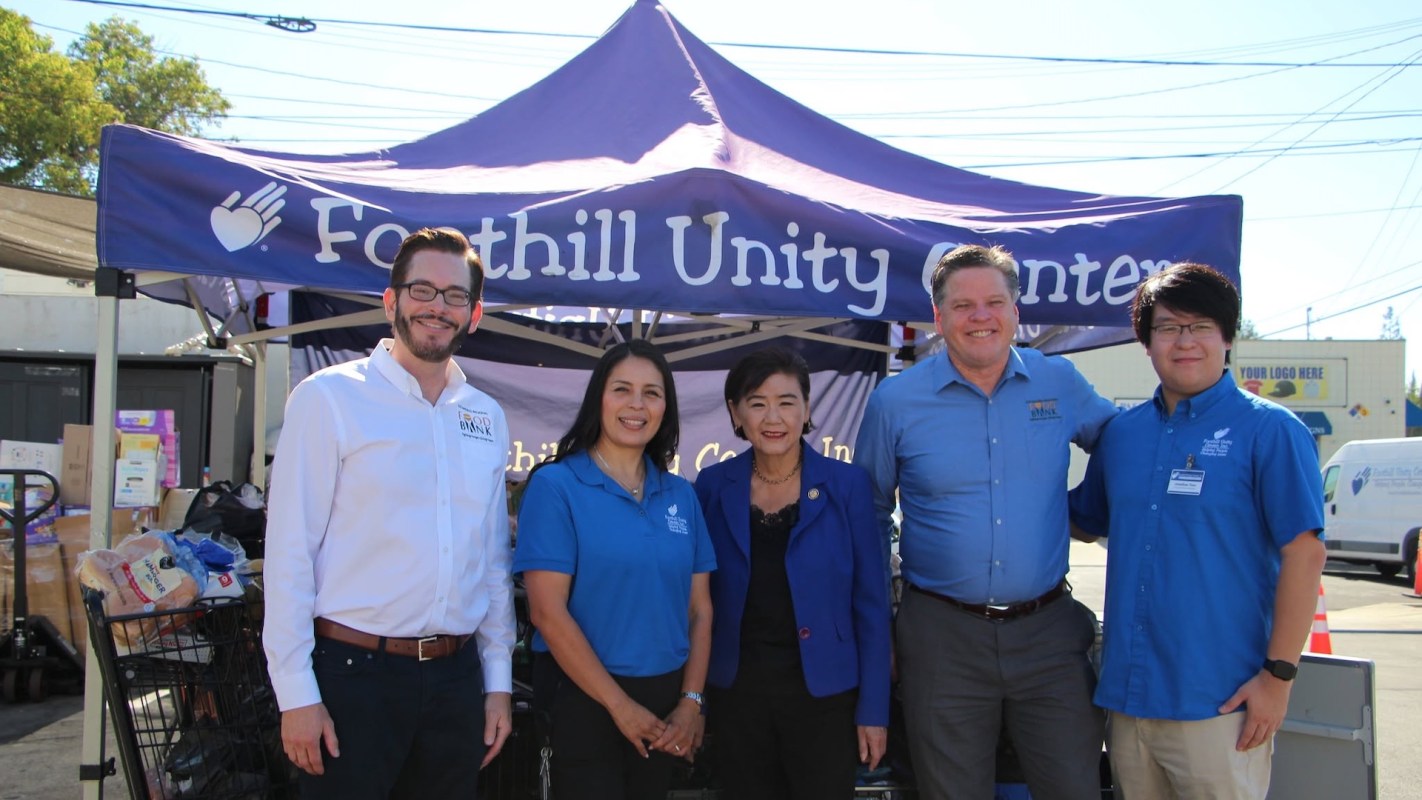
Southern California food banks are being squeezed from both sides as more families turn to them for help while the cost of getting food where it needs to go keeps climbing.
Here's what to know
That strain was the focus of a Thursday report that ABC7LA (@abc7la) shared on TikTok from Eyewitness News reporter Denise Dador.
@abc7la #Foodbanks across Southern California are feeling the squeeze from rising fuel costs and cuts to federal funding. Eyewitness News reporter Denise Dador visited #FoothillUnity in #Monrovia, where the impact is already being felt during its weekly #fooddistribution. ♬ original sound - ABC7LA
Dador said Foothill Unity Center in Monrovia is assisting about 300 additional families each month through its weekly food distribution "because the price of everything is going up."
Gas costs the food bank about $4,000 to $5,000 per month to operate and pick up food, a 20% increase. Even with those higher costs, the center still provides fresh and frozen produce, milk, and other basics.
Food banks rely heavily on trucks and drivers to recover donations and deliver groceries to the people who need them most. As fuel costs rise, fewer resources are left for food purchases and other services that help keep families afloat.
In the post's caption, ABC7 summed up the broader challenge plainly: "Food banks across Southern California are feeling the squeeze from rising fuel costs and cuts to federal funding."
TCD Picks » Quince Spotlight
💡These best-sellers from Quince deliver affordable, sustainable luxury for all




More background
When food and gas cost more, families often feel the strain first. Soon after, food banks feel it too, as more people turn to them for relief.
Families facing higher commuting costs, rent, and grocery bills may need emergency assistance more often, even as the organizations providing that help are being asked to stretch limited resources even further.
Cuts to federal funding can deepen that imbalance. When public support is reduced, local nonprofits often become the fallback.
What can be done?
The ABC7 report also included immediate ways people can support the effort.
Dador said: "If you can volunteer, this is definitely the place that you can come. If you can donate, please come to Foothill Unity Center."
The report also pointed to the role of public investment in hunger relief. Consistent funding can let food banks spend less time closing budget gaps and more time ensuring families have dependable access to nutritious food.
Where can I learn more?
These stories look at how rising costs and food distribution challenges are straining hunger relief in different places. They cover pantry budgets, grocery inflation, and a regional food bank's storm response.
• In Georgia, food pantry costs climb as more families struggle to afford groceries.
• Across the U.S., rising fuel and fertilizer costs could keep grocery prices volatile through 2027.
• In Arkansas, a food bank served over 60,000 meals after storms cut power at Kroger.

Get TCD's free newsletters for easy tips, smart advice, and a chance to earn $5,000 toward home upgrades. To see more stories like this one, change your Google preferences here.






