


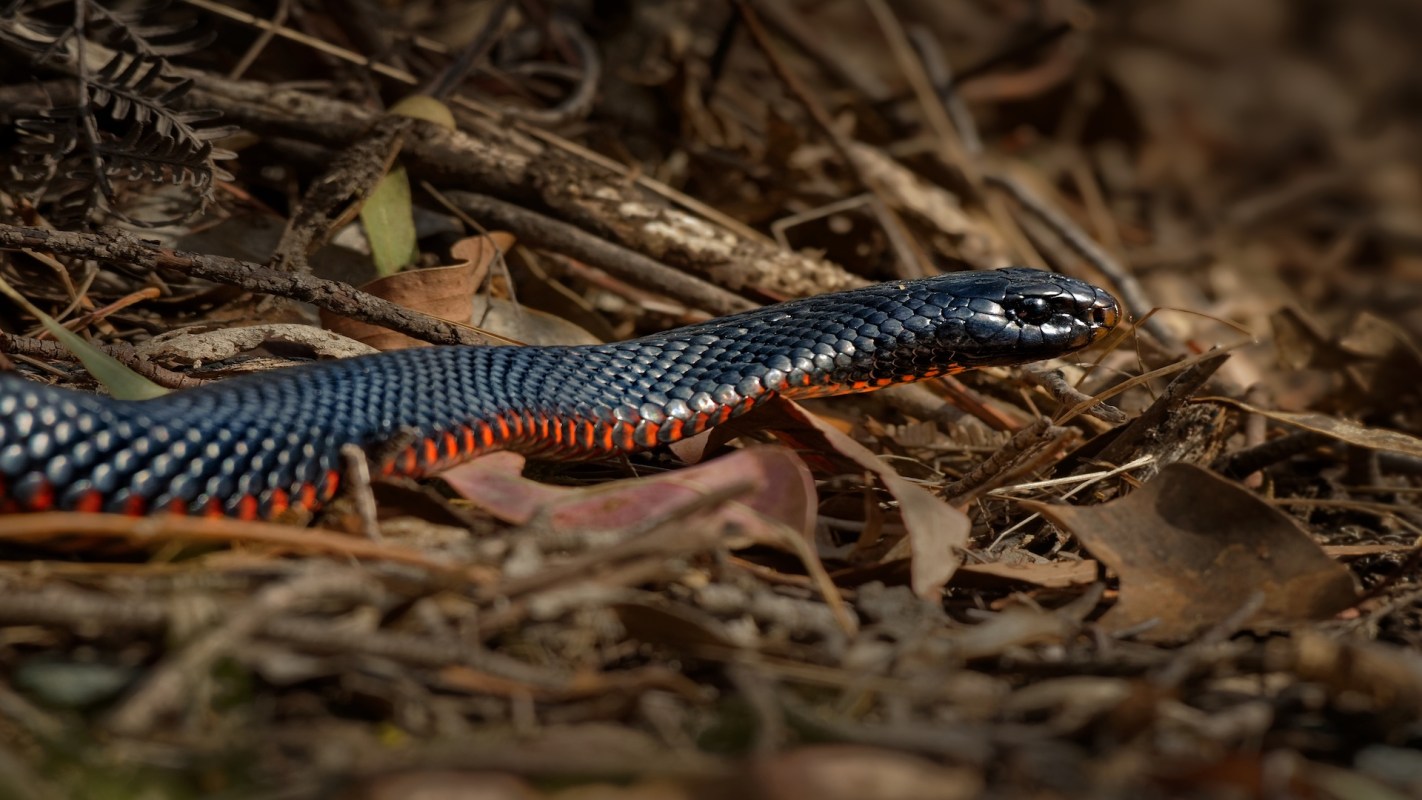
A snake call at a Queensland construction site has drawn attention to a broader wildlife threat.
Rather than a routine removal, the incident led to the discovery of a red-bellied black snake with a fatal fungal infection that appeared to be spreading quickly, Yahoo News reported.
Here's what to know
At a worksite in Woodford, Queensland, workers spotted a snake in a mound of soil and called snake catcher Glenn Macey of Sunshine Coast Snake Catchers.
Macey explained that after examining the animal, "it was pretty obvious" the snake was "absolutely riddled" with ophidiomycosis, also known as Snake Fungal Disease, per Yahoo News.
The disease was confirmed in Australia in 2024, after already killing snakes overseas.
Macey said the issue had been showing up repeatedly, and wasn't limited to one instance.
TCD Picks » Quince Spotlight
💡These best-sellers from Quince deliver affordable, sustainable luxury for all




His team has encountered several infected snakes and has identified the disease in at least six species, including carpet pythons and eastern browns.
Visible signs include yellow or brown crusty lesions, and the infection can be painful in many cases.
More background
Snakes play an important role in local ecosystems, and losing them can upset natural balances in bushland, on farms, and near communities.
A decline in predator species can spur knock-on effects that are difficult to reverse, particularly when the spread happens across multiple snake species at once.
There is also a clear human angle.
Construction workers and other outdoor crews, as well as nearby residents, are often the first to encounter sick wildlife, while wildlife responders are left to manage the growing burden of identifying cases and safely removing animals.
What's being done?
Early detection by people who already work closely with wildlife may help track the disease.
Field observations from licensed snake catchers and rescue teams can help identify where the disease is emerging and which species are being affected.
If people spot a snake that appears to be injured or covered in lesions, the safest move is to keep a distance and contact a trained professional rather than try to handle it.
Worksites and property owners can also help by promptly reporting unusual wildlife sightings. Timely reporting can give experts a better chance to document spread patterns and reduce additional stress on already sick animals.
Continued monitoring will be critical.
For Macey, the Woodford discovery was part of a disturbing pattern, not a unique shock.
"Since that time, I've honestly lost count of the number of animals that I myself have encountered, much less what my entire team [has seen]," he told the outlet.
Where can I learn more?
Other snake stories offer more context on how disease and changing habitats are straining reptile populations. They cover hidden infections in the southeastern United States and novel snakebite risks in a warming world.
• Across the southeastern U.S., hidden infections sweeping snakes are raising fears of local extinctions.
• Worldwide, the mass spread of venomous snakes could intensify as rising temperatures reshape habitats.

Get TCD's free newsletters for easy tips, smart advice, and a chance to earn $5,000 toward home upgrades. To see more stories like this one, change your Google preferences here.






