


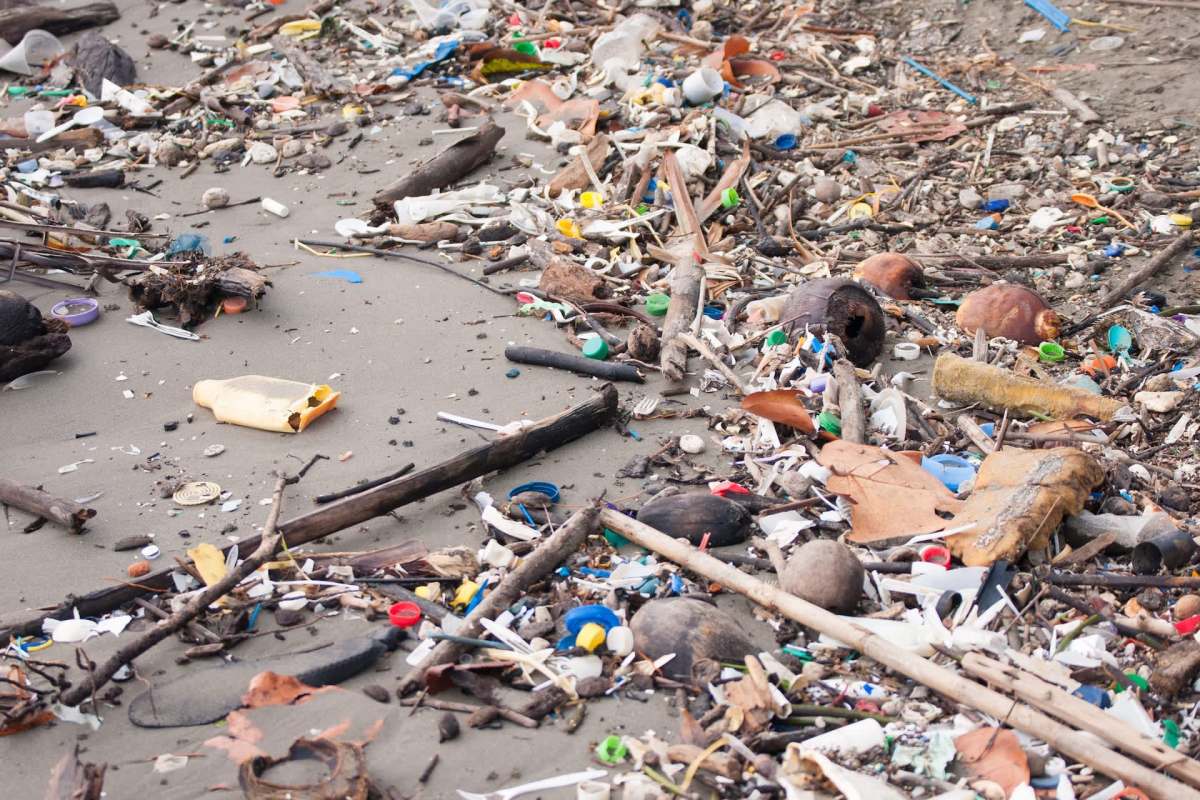
A video from The Ocean Cleanup shows Interceptor 006 operating in Guatemala's Rio Las Vacas, offering a stark look at how much trash can surge through a single river system — and how much can be stopped before it reaches the sea.
Here's what to know
The Ocean Cleanup (@theoceancleanup) posted a TikTok video of Interceptor 006 working on the Rio Las Vacas in Guatemala. That river feeds into the Rio Motagua, and the caption said, "In this catch alone, over 210,000 kg [463,000 pounds] of trash were stopped from reaching the Gulf of Honduras."
The post also explained why the river sees such enormous volumes of debris: "During Guatemala's rainy season, flash floods wash down vast quantities of plastic and other waste from nearby Guatemala City and the surrounding area."
Waste left in waterways can clog channels, worsen local pollution, and eventually spread into larger bodies of water, where cleanup becomes much more difficult.
More background
Before reaching the Caribbean Sea, the Rio Motagua is joined by the Rio Las Vacas.
More than 463,000 pounds works out to more than 231 tons from a single catch, showing how quickly stormwater can move waste through a river system during the rainy season.
TCD Picks » Quince Spotlight
💡These best-sellers from Quince deliver affordable, sustainable luxury for all




Catching the trash early matters, as the job becomes much harder once plastic, which makes up much of the waste, has broken into microplastics. When those fragments spread across beaches and waterways, cleanup can become slower, more expensive, and less effective.
Cleaner shorelines and waterways help protect marine animals, support safer recreation, and reduce the chances of plastic entering the food chain.
What's being done?
Interceptor 006 is part of a strategy to stop pollution before it reaches open water.
Projects like this also show how community-level infrastructure can make an immediate difference in places dealing with heavy runoff and waste-management challenges. Rather than relying solely on downstream cleanup, interceptors target bottlenecks where debris naturally collects and can be removed in bulk. That kind of prevention can help protect beaches, fishing areas, and waterfront neighborhoods from some of the downstream costs of unmanaged trash.
One practical step you can take to get involved is to help fund environmental work beyond your own neighborhood.
One commenter wrote, "This is so incredible. Thank you for helping our planet, especially in times like today."
Where can I learn more?
These stories look at other efforts to stop plastic and other trash in rivers before it reaches open water.
• In the Gulf of Honduras, crews found millions of pounds of trash and said the job continues.
• Volunteers have shown how an innovative river barrier can keep plastic from drifting downstream.
• In San Antonio, a litter boom is helping stop trash before it spreads.

Get TCD's free newsletters for easy tips, smart advice, and a chance to earn $5,000 toward home upgrades. To see more stories like this one, change your Google preferences here.






