


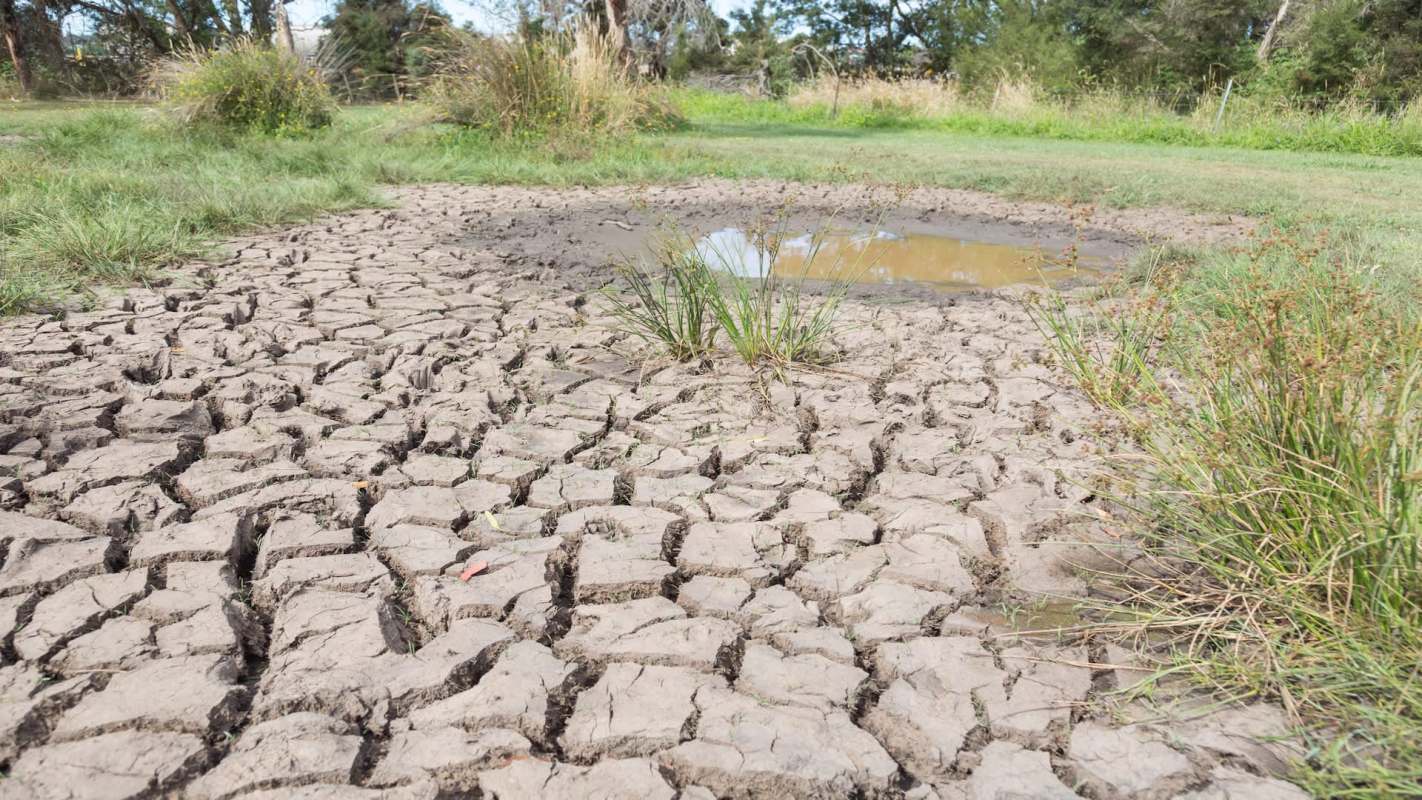
A dried-up pond in Edmond offers a stark picture of how severe Oklahoma's drought has become.
During a legislative committee meeting on Sept. 22, 2026, officials said shrinking water sources, extended dry conditions, and two flash droughts have increased wildfire risk across Oklahoma.
Here's what to know
Video of the dried basin, shared on TikTok by KOCO 5 News (@koco5news), opened with the observation: "This was a pond. Was a pond. It's totally dried up now."
@koco5news Oklahoma officials say the state is in "bad shape" as a historic drought dries up ponds and fuels even more wildfire risk.
♬ original sound - KOCO 5 News
According to state climatologist Gary McManus, unusually warm weather and a lack of rain pushed conditions downhill fast, producing "not one, but two flash droughts" and heightening wildfire concerns. He also told lawmakers that the last 365 days rank as Oklahoma's 11th driest since records began in 1895.
He said, "We have El Niño ahead, so hopefully, um, that will help us. And that's why I think we actually have some hopeful news for the first time."
Andy James of Oklahoma Forestry Services remains concerned, stating, "I'm gonna believe it when I see it, and I think we all need to take that approach."
TCD Picks » Quince Spotlight
💡These best-sellers from Quince deliver affordable, sustainable luxury for all




James said 2026 has already seen more wildfire activity than 2025. He also said aircraft can help, but "it's the boots on the ground that puts these fires out."
More background
A dried-up neighborhood or city pond can be an early warning sign of broader water stress affecting lawns, farms, livestock, recreation, and local ecosystems. When drought intensifies quickly, it can also leave vegetation primed to burn, turning a water crisis into a fire crisis.
Worsening extreme weather disasters can threaten public health through smoke exposure, heat stress, and poor air quality; undermine community safety as fast-moving fires put homes and roads at risk; and weaken economic stability by damaging crops, straining water supplies, and driving up firefighting and insurance costs.
One commenter wrote, "Drought always seems to be followed by a flood."
Others suggested the effects extend well beyond one city, with residents in drier parts of the state pointing to lakes, rivers, and ponds that have been under strain for years.
What can be done?
Conserving water, postponing unnecessary outdoor burning, and staying alert to local fire advisories can help when conditions are this dry.
In fire-prone areas, clearing brush near homes, keeping important documents ready, and planning evacuation routes can be critical if a grassfire moves quickly. During smoky periods, limiting outdoor exposure and improving indoor air filtration can also help protect health.
Where can I learn more?
Oklahoma isn't alone. These stories examine rapid-onset drought, expanding dry conditions, and the fire risks that follow.
• Across the central and southeastern U.S., flash drought danger is raising wildfire concerns.
• Across the West, the worst drought areas expand as the nation's largest wildfire keeps burning.
• In Oregon, drought emergency conditions are fueling farm losses and fears of more fires.

Get TCD's free newsletters for easy tips, smart advice, and a chance to earn $5,000 toward home upgrades. To see more stories like this one, change your Google preferences here.







