


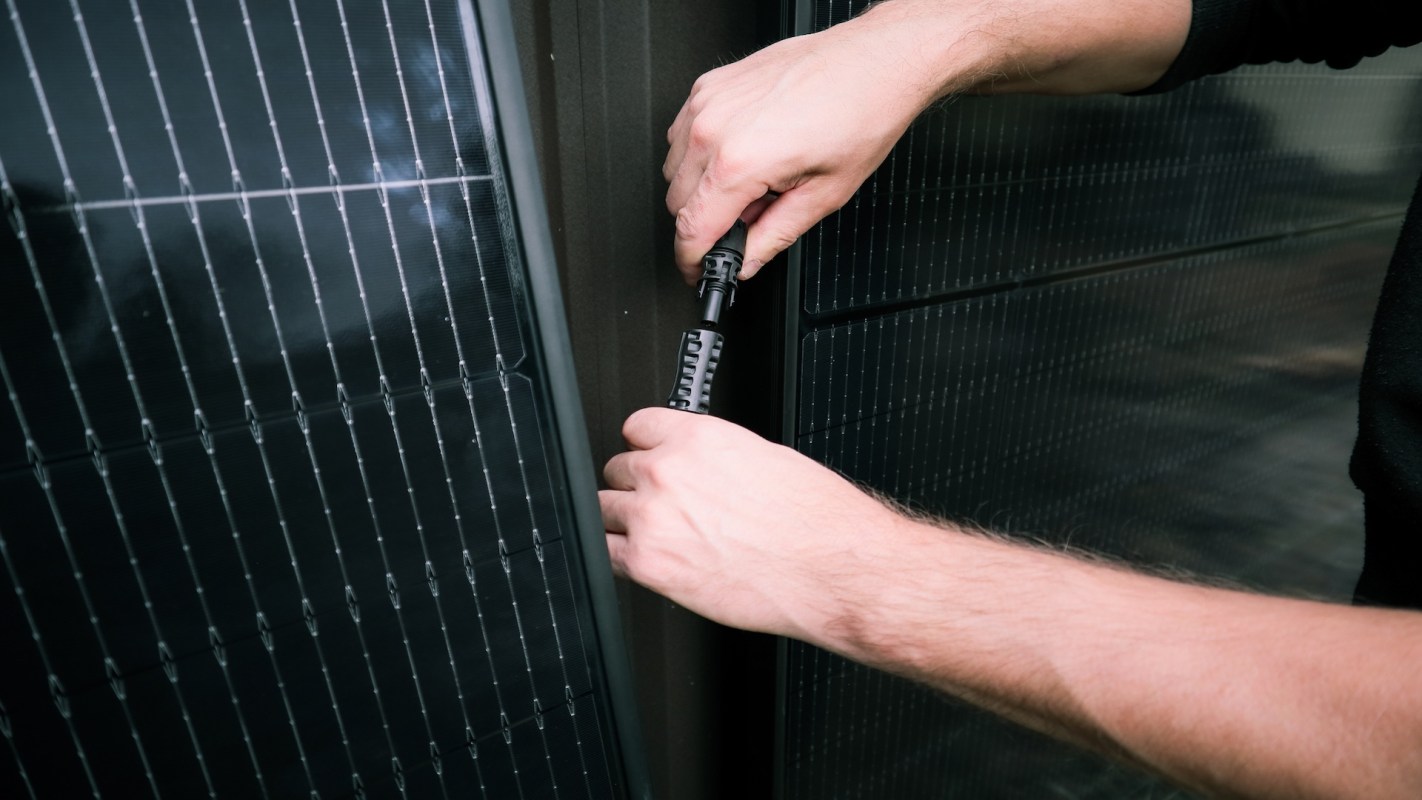
California lawmakers have passed a bill that could open up a much simpler and more affordable option for solar power: panels that plug directly into a standard wall outlet.
If Gavin Newsom, California's governor, signs SB 868, compatible systems could be available in California by spring 2027, according to the office of Scott Wiener, a state senator representing San Francisco.
Here's what to know
If it becomes law, the bill would create a legal framework for small plug-in solar systems, often called "balcony solar." These smaller, more portable panels can be installed on balconies, in yards, or on roofs.
The news spurred a conversation on Reddit's r/enphase forum, with the original poster sharing an article appearing in TechSpot.
As TechSpot reported, under SB 868, qualifying systems of up to 1,200 watts per home would be allowed, provided they meet certain requirements. These requirements include the ability to plug into standard outlets, comply with electrical codes, obtain outside safety certification, and prevent power from flowing back to the grid during outages.
As millions of homeowners have learned, going solar is one of the best ways to save money on home energy. For homeowners considering a larger setup, EnergySage is an easy way to get free solar installation estimates and compare quotes.
More background
Instead of using the usual utility interconnection application required for rooftop solar, SB 868 would let people register eligible systems through a no-cost online form.
One possible drawback of the proposal is that no products currently on the market satisfy all of the bill's standards. Until they are able to do so, they would continue to fall under the existing, more stringent rooftop solar rules.
Save $10,000 on solar panels without even sharing your phone number Want to go solar but not sure who to trust? EnergySage has your back with free and transparent quotes from fully vetted providers that can help you save as much as $10k on installation. To get started, just answer a few questions about your home — no phone number required. Within a day or two, EnergySage will email you the best local options for your needs, and their expert advisers can help you compare quotes and pick a winner. |

Still, so-called balcony solar has the potential to open up the solar market to many people who, for one reason or another, cannot take advantage of larger-scale rooftop solar systems.
For example, renters and apartment dwellers often cannot install traditional rooftop solar because they do not control the building, lack suitable roof space, or cannot afford a larger project. Whereas rooftop solar systems can easily cost in the tens of thousands of dollars, prices for plug-in solar setups run from roughly $300 to $2,200.
Despite their relatively low price tags, these plug-in systems can deliver households significant savings on utility bills. For instance, one 400-watt panel could cover roughly 14% of a typical renter's yearly apartment electricity bill, or about $250 annually. Similarly, a 1,200-watt setup might support a window AC unit, said Bernadette Del Chiaro, Senior Vice President of Environmental Working Group, per TechSpot.
In paving the way for balcony solar, California, often considered a leader in renewable energy, is following in the footsteps of several other states.
More From EnergySage
💡Go deep on the latest news and trends shaping the residential solar landscape

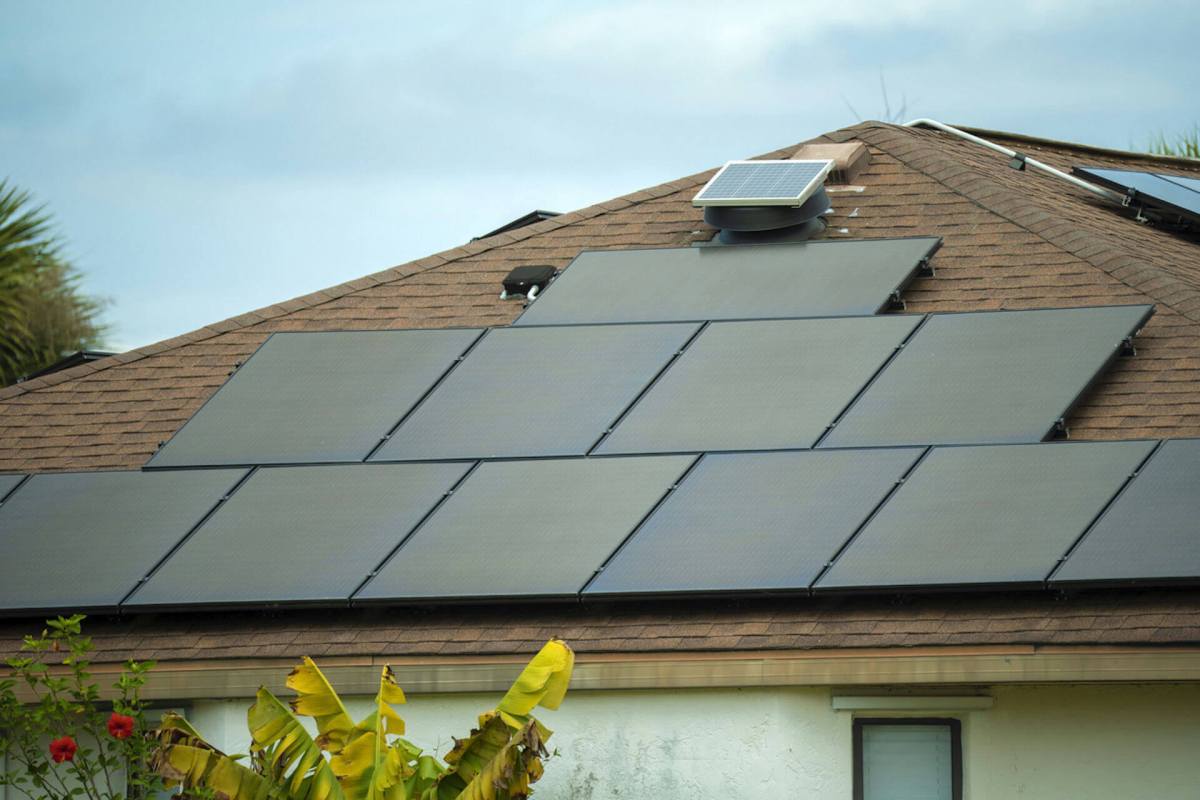
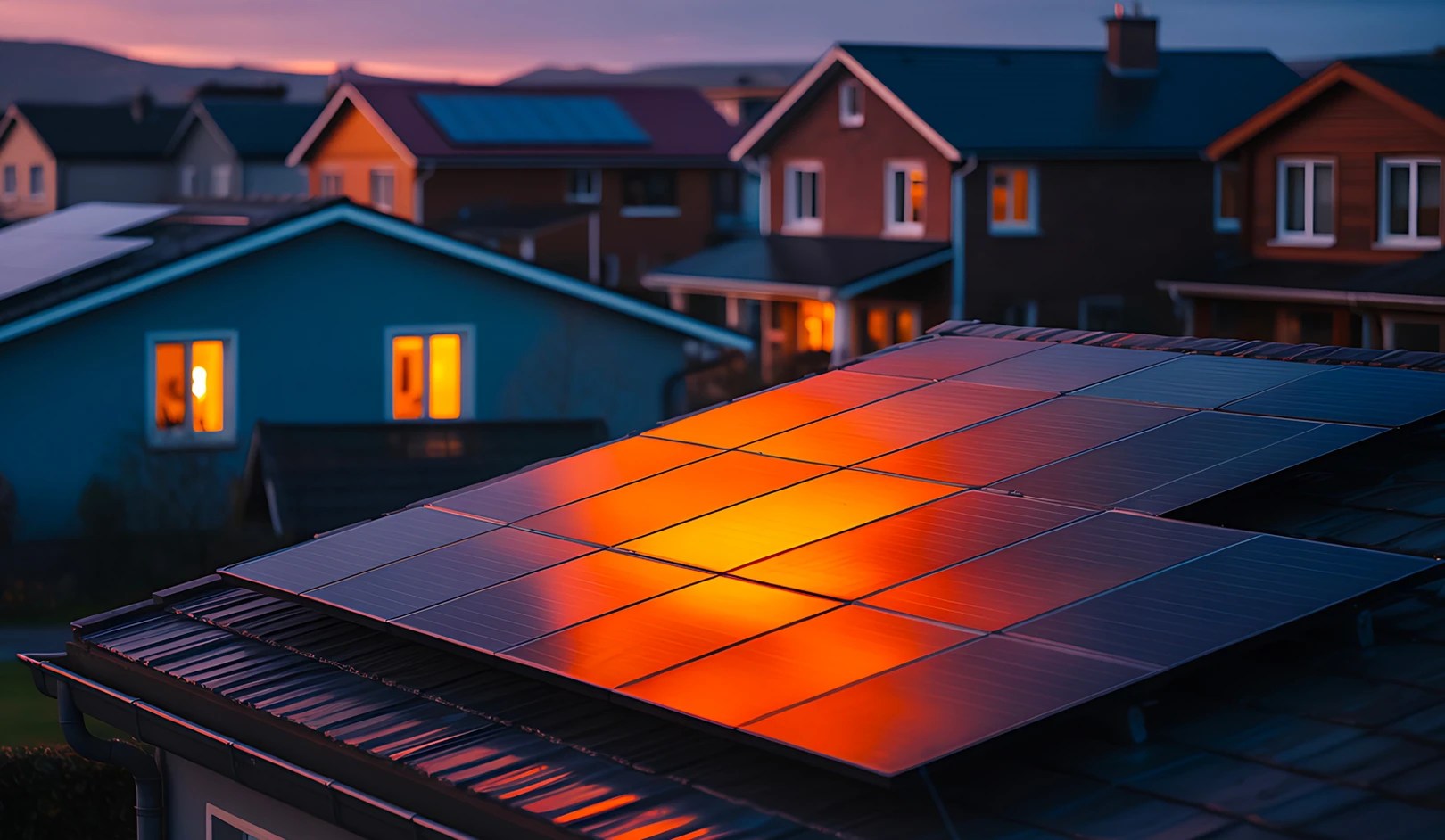

Utah passed an early plug-in solar measure in March 2025, and eight states have streamlined processes for these systems, including Colorado, Virginia, and Maine. New York and New Jersey have similar bills awaiting their governors' signatures, according to TechSpot.
Not an easy road
While the potential benefits of plug-in solar are clear, the bill has not been without its opponents.
Some utilities raised safety concerns, with PG&E opposing the final version because some safety and certification rules would not take effect until 2030, according to Paul Doherty, a company spokesperson.
Firefighter unions and unions representing PG&E employees dropped their opposition after lawmakers added language requiring compliance with state and national electrical codes. Southern California Edison also shifted to a neutral position after changes to safety rules and utility-notification requirements, spokesperson David Eisenhauer said, per TechSpot.
For homeowners who can install a full rooftop system, EnergySage's solar map shows average home solar costs and solar panel incentives by state. Together, those resources can help homeowners get the best price for rooftop solar panels and access available funding.
Adding battery storage to a solar setup is one of the best ways to protect your home during outages, save money on energy, and go off-grid. It can make a home energy system more flexible than panels alone. Homeowners can explore EnergySage for information about home battery storage options, including competitive installation estimates.
EnergySage can be useful even as plug-in solar expands. With EnergySage's help, the average person can save up to $10,000 on solar purchases and installations. For many households, that kind of comparison shopping could make the jump to full rooftop solar much more realistic.
Where can I learn more?
The following stories look further into how California and other states are moving toward allowing plug-in solar. The articles cover California votes and the broader push to let renters and homeowners use outlet-connected panels.
• California nears final approval for balcony solar that plugs into ordinary sockets.
• Across the U.S., plug-in solar panels remain largely illegal even as energy savings grew.
• Across half the country, plug-and-play solar panels have gained momentum through new legalization campaigns.

Get TCD's free newsletters for easy tips, smart advice, and a chance to earn $5,000 toward home upgrades. To see more stories like this one, change your Google preferences here.






