


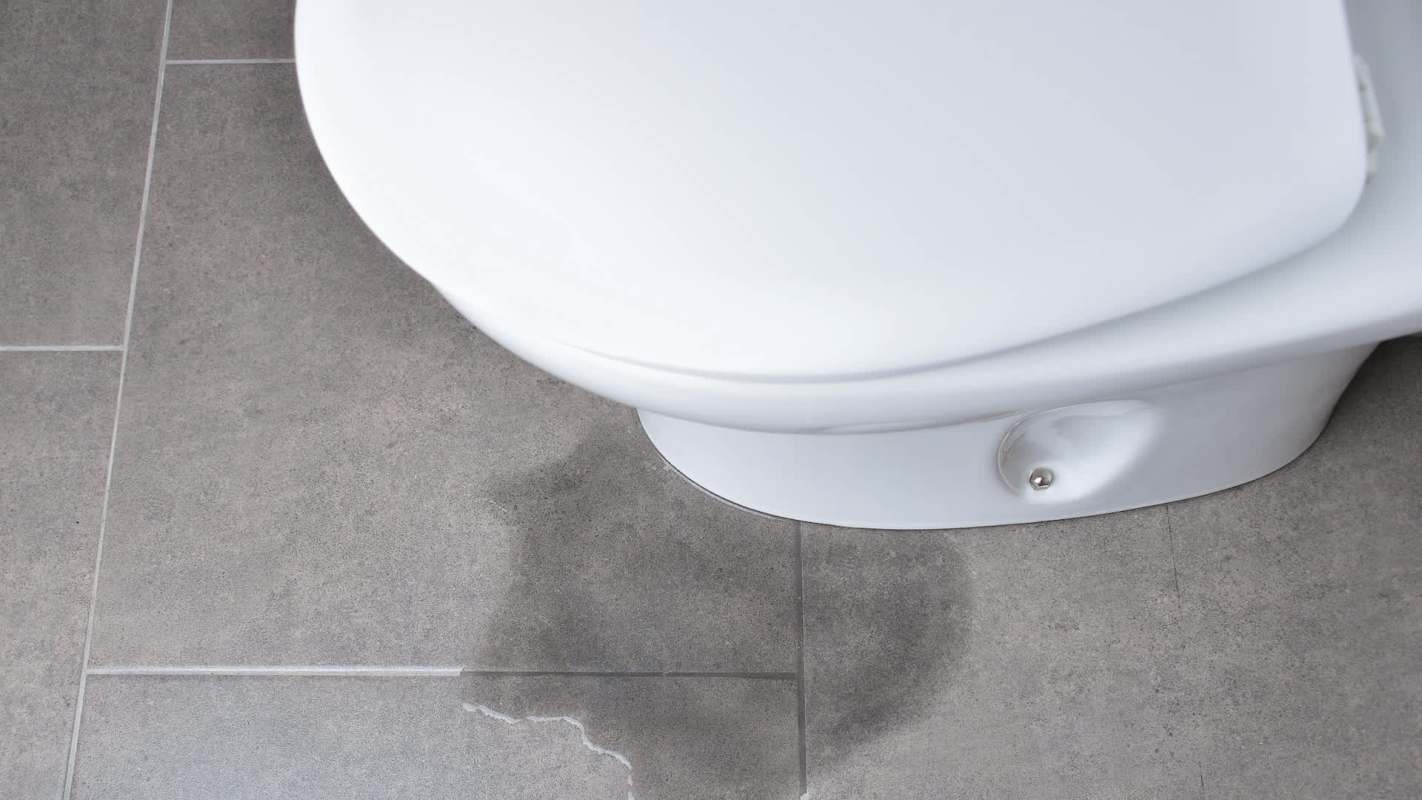
After an expensive household flood, a homeowner in the United States turned to Reddit with a basic but revealing question: Why aren't automatic water leak shut-off systems standard?
Here's what to know
The question surfaced in a Reddit thread after the poster described a second-floor toilet overflow that damaged the kitchen ceiling below. They said that across three homes, they had never encountered this kind of protection, writing: "I have owned 3 homes and never once have I seen a water detection system that shuts off the water if a leak is detected."
The post was prompted by a small shut-off component included with a reverse osmosis system. That led the homeowner to ask why similar protection is not more common throughout an entire house, especially given the risk of cheap plastic lines failing while no one is home.
Replies quickly made clear that whole-house options already exist, but agreement on the best ones was another matter. Products mentioned in the discussion included Moen Flo, YoLink FlowSmart, Phyn, EcoNet Bulldog, and Sentinel Leak Defense.
Some commenters favored lower-cost setups that combine leak sensors with a shut-off valve, while another wrote: "Get the YoLink flowsmart. It's everything the Flo should have been and way cheaper."
For one homeowner, the case for such systems came from experience: a pinhole leak in a toilet hookup caused damage across most of a single-story house. They said the incident cost $1,000 out of pocket, while insurance paid "high 5-figures" for drying, repairs, hotels, and storage during a five-month restoration.
TCD Picks » Quince Spotlight
💡These best-sellers from Quince deliver affordable, sustainable luxury for all




More background
Water damage is one of those home disasters that can spiral quickly, especially when it starts on an upper floor or while a family is away.
Other commenters described even larger losses. One person said a second-floor toilet overflow in Florida led to mold and close to $200,000 in damage. After a dispute with insurance, the commenter wrote that they recovered only about 75% of repair costs after fees, concluding that "a solenoid like this would have saved us literally over $50k out of pocket expenses and over a year of frustration."
What can be done?
The discussion covered a range of options. At the simplest level, battery-powered leak sensors can be placed under sinks, behind toilets, near washing machines, or by water heaters. More advanced systems can shut off the main water line automatically when a sensor goes off or when abnormal flow is detected.
Prices mentioned in the thread varied considerably. One commenter said a self-installed setup using a smart valve and multiple wireless sensors cost "around $300." Another said a Moen SmartFlo whole-house shut-off valve cost about $500, with plumbing installation at roughly $400 and extra sensors at about $30 each.
Even if homeowners do not install a fully automated system, placing low-cost leak detectors near the riskiest fixtures could provide early warning and reduce the odds that a small plumbing issue turns into a five-figure insurance claim.
Where can I learn more?
If those flood stories have you thinking about prevention, these articles cover a few practical places to start. They look at ways to spot hidden plumbing problems, fix common toilet and sink leaks, and add another detector at home for safety.
• Homeowners have used a simple leak-check routine to catch hidden plumbing problems early.
• A leaking toilet can often be stopped with a basic DIY repair before bills climb.
• One dad showed that an easy sink valve swap can stop steady drips fast.

Get TCD's free newsletters for easy tips, smart advice, and a chance to earn $5,000 toward home upgrades. To see more stories like this one, change your Google preferences here.






