


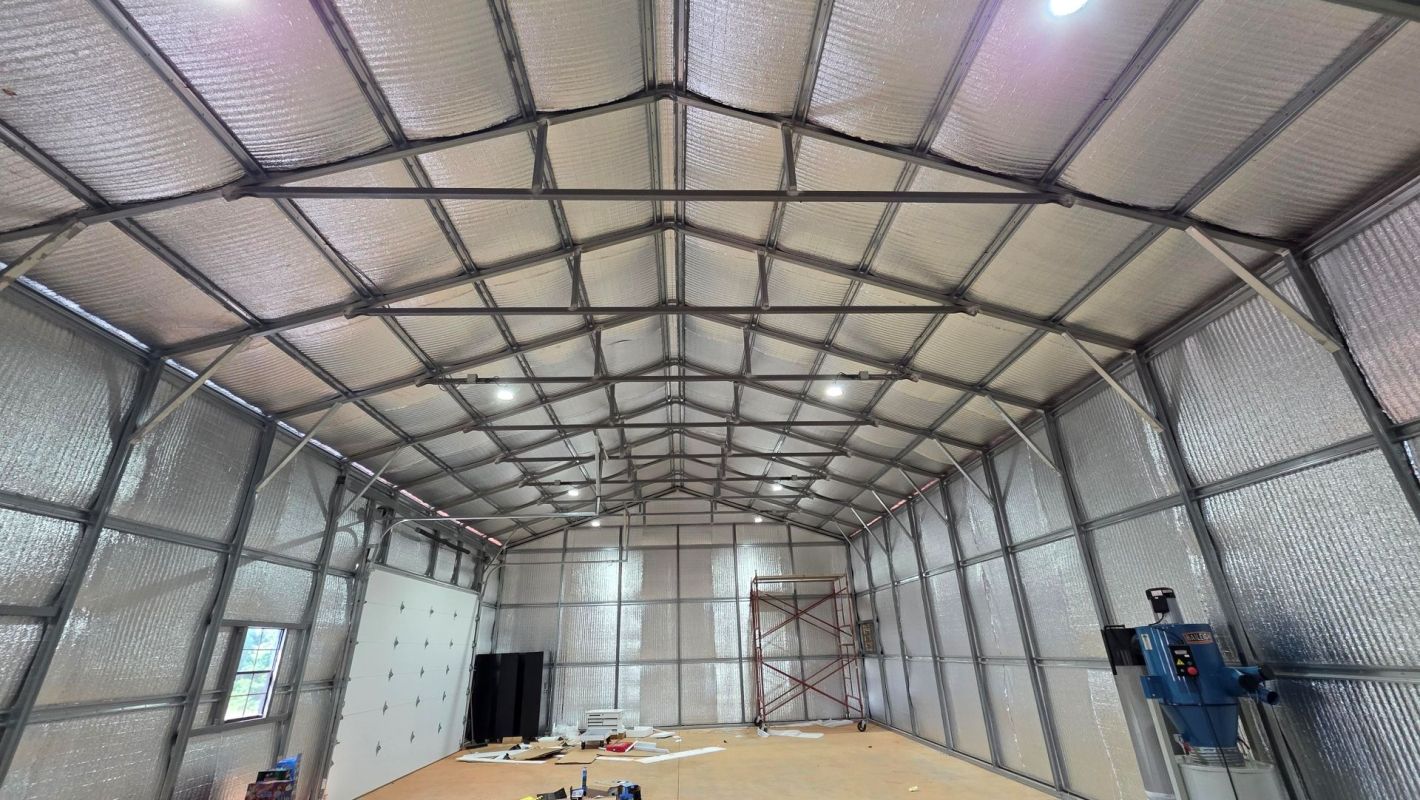
A metal building owner thought they were paying for insulation that would make their structure more comfortable and efficient. Instead, they said, a $9,000 add-on delivered little of the performance they had expected.
The complaint struck a nerve because confusing product claims can leave homeowners and building owners stuck with higher energy bills, poor comfort, and costly rework.
Here's what to know
Writing in a Reddit thread on r/Insulation, the poster urged people with metal buildings to avoid Prodex, saying that "it has no R-value" in real-world use and that "airgaps are everywhere."
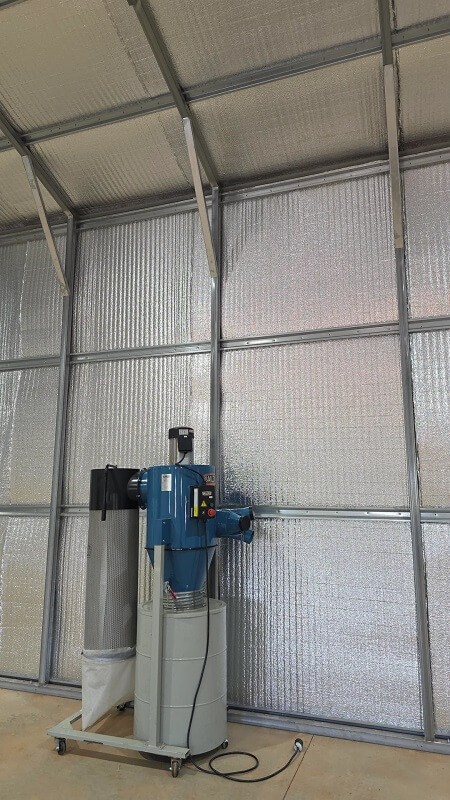
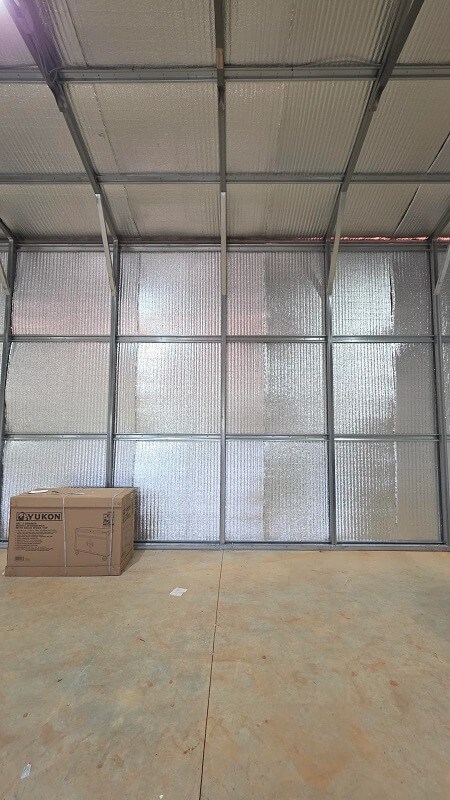
They said the Prodex job cost about $9,000, while closed-cell spray foam would have been closer to $15,000.
"It will not work, and you will have to rip it out to install spray foam," the original poster wrote.
A recurring point in the replies was that people may be mistaking a radiant barrier for traditional insulation.
TCD Picks » Quince Spotlight
💡These best-sellers from Quince deliver affordable, sustainable luxury for all




"Radiant barrier can be very useful/helpful, but it's not the same as insulation," one commenter wrote.
Some joked that OP was paying $9,000 for bubble wrap and called it "snake oil."
Another commenter focused on the way the product is promoted.
"Their website gives misleading info, they advertise the R-value of the entire wall assembly when using Prodex instead of the added R-value of Prodex itself," they wrote.
However, not everyone said the product had no benefit at all.
"For the record, it does provide an air barrier and some R-value," one commenter wrote while also suggesting the building's size may have helped drive the price.
Many pointed out that the science behind radiant barriers is to reflect heat rather than purely insulate and that their utility is more complementary than something that solves insulation on its own. For garage doors, this type of radiant barrier can keep some heat from penetrating into a garage when the sun is beating down, but it probably shouldn't be expected to insulate an entire metal structure on its own.
More background
Metal buildings can be especially difficult to keep comfortable without the right building envelope in place.
Because heat moves through a structure in several ways — including radiation, conduction, and air leakage — a product that reflects heat isn't necessarily doing the same job as insulation designed to slow heat transfer more broadly.
That distinction can have real financial consequences. If a building owner buys one product expecting it to perform like another, they may end up paying once for installation and again for removal and replacement.
Installation details also came up repeatedly in the discussion.
"A radiant barrier needs to be installed properly to work, and that means installing it with an air-gap, venting that air-gap to the outside, and making sure that vented air gap isn't able to leak into the inside of the building," one commenter explained.
Another commenter suggested the original poster's experience may have reflected poor installation as much as the product's limitations.
In this case, the original poster said spray foam would have cost roughly $6,000 more than the initial job.
Where can I learn more?
Questions such as this often come up when homeowners compare the cost of insulation, HVAC, and air-sealing work with the results they actually get. These stories follow people questioning steep quotes, pushy sales tactics, and whether major efficiency upgrades will actually pay off.
• In New Jersey, a homeowner was warned they were getting fleeced on insulation after a shocking quote.
• Homeowners said some HVAC contractors used "trust me" sales tactics to steer them toward costly systems.
• A hesitant homeowner found attic air sealing could be priceless after hearing strong opinions online.

Get TCD's free newsletters for easy tips, smart advice, and a chance to earn $5,000 toward home upgrades. To see more stories like this one, change your Google preferences here.






