


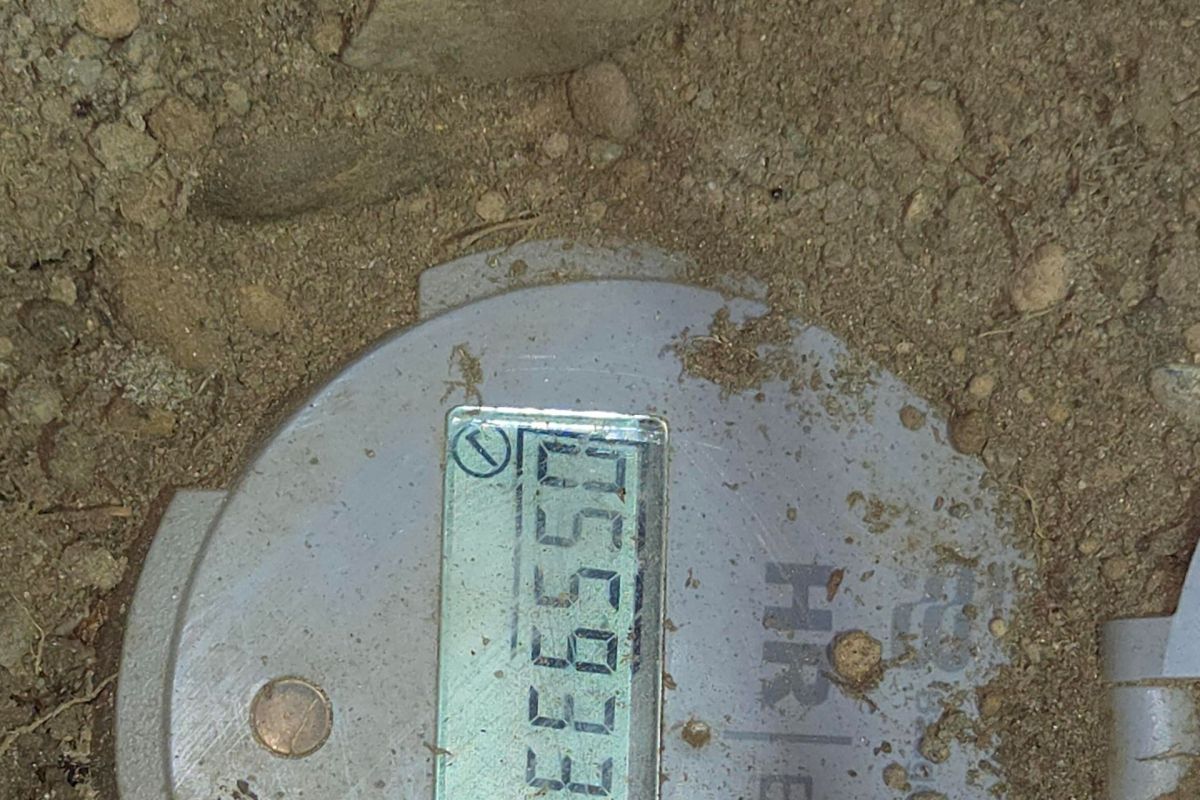
For first-time homeowners, few calls are more unnerving than one from the water company warning of a "huge leak" that you can't actually see. That's the situation one Redditor described after being told their home had been losing 31 gallons of water an hour since August, even though the meter appeared to show 0.0 gallons per minute.
Here's what to know
"Our water company called us and told us we have a 31-gallon-an-hour leak," the original poster wrote in a post on r/Plumbing, adding that even after checking around the property, there was "zero water in the house or yard" and they were "totally lost on what to do."
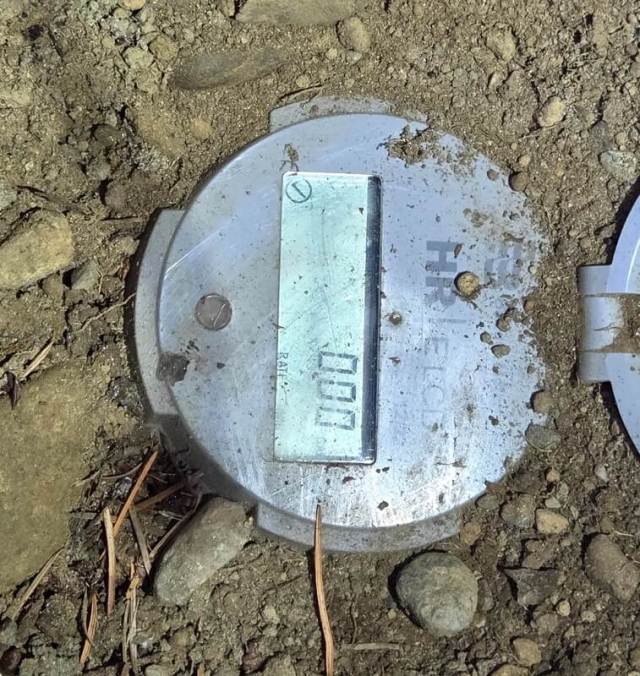
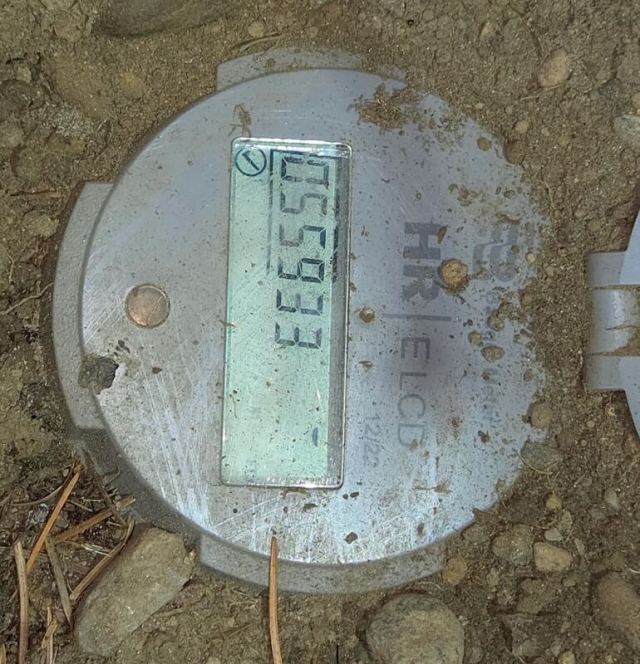
The reading in the photo didn't convince everyone that there wasn't an issue.
A commenter who identified themselves as a meter technician for a municipal utility company said a single snapshot only reflects that moment:
"The meter is showing 0.0 GPM, which means the meter isn't detecting flow at the moment the photo was taken. That doesn't necessarily rule out a leak, especially if it's intermittent," they wrote.
A leak that runs only part of the day — such as from irrigation, a toilet flapper, or a water softener stuck in a cycle — can still waste a significant amount of water without being obvious when a homeowner checks.
TCD Picks » Quince Spotlight
💡These best-sellers from Quince deliver affordable, sustainable luxury for all




At 31 gallons an hour, the loss could add up to roughly 744 gallons a day, or more than 22,000 gallons over a 30-day month.
More background
That can translate into a much higher utility bill, especially where sewer charges are tied to how much water enters the home.
In the replies, toilets and water softeners came up repeatedly as likely suspects.
"99% of the time it's a toilet that leaks and refills all day and night," one commenter wrote.
Another said their own invisible spike turned out to be a water softener "constantly draining water directly to our drain line."
The thread also pointed to less obvious possibilities, including underground irrigation lines and service-line leaks, where water may disappear into the soil or stay hidden beneath concrete.
What can be done?
The main advice from commenters was to isolate the problem by sections of the system. One commenter suggested using the shutoff at the meter and the valve where the line enters the house to figure out whether the issue is between the meter and the home, somewhere inside the home, or connected to irrigation.
After that, fixtures can be brought back online one at a time to narrow the source. Toilets are an easy starting point: Add food coloring to the tank, then check whether it appears in the bowl to expose a silent leak. Hose bibs, sprinkler lines, water filters, and water heaters are also worth checking.
Another low-cost check is to write down the meter reading, avoid using any water for an hour, then compare the number again. That can help confirm whether water is moving when it shouldn't be.
If none of those checks turns up the source, the next step may be calling a plumber or leak-detection specialist before a hidden problem drives the bill even higher.
"This will find the leak 100% of the time, but it's tedious," one commenter wrote. "Good luck OP, hope it's not an underground break."
Where can I learn more?
If you're dealing with unexplained water loss, these stories look at the same kinds of hidden leaks and surprise bills. They cover spinning meters, silent toilet leaks, and simple dye tests that can help show where the water is going.
• A renter facing massive bills discovered a still-spinning meter means water is escaping somewhere.
• A home expert said detecting leaks early at home has saved customers thousands.
• A plumber showed how a simple toilet dye test can uncover a costly silent leak.
• A realtor found blue dye in the bowl after a toilet quietly wasted water.
• A home maintenance expert used food coloring in the tank to spot a hidden leak.

Get TCD's free newsletters for easy tips, smart advice, and a chance to earn $5,000 toward home upgrades. To see more stories like this one, change your Google preferences here.






