


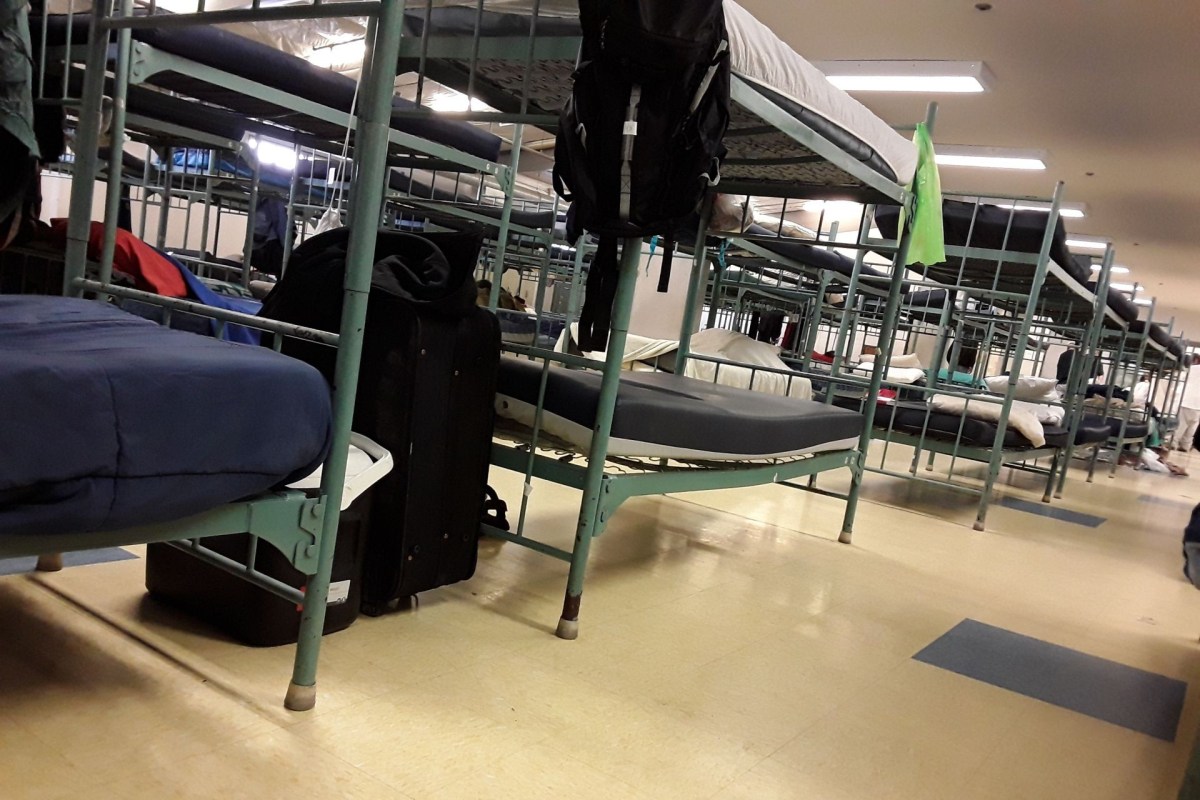
In California, spending to support homeless people is on the rise, and so is homelessness, leading many to question the effectiveness of the programs being funded, but one city is showing promising results.
Bakersfield officials say a city-run effort for residents facing or nearing homelessness is beginning to post measurable results after receiving nearly $2 million in state support for mental health, substance abuse, and housing services.
Here's what to know
Over the first 18 months, Bakersfield's Proposition 47 program worked with 144 people, and city officials told KGET the results are "trending in the right direction."
According to Jamie Achterberg, assistant to the city manager with the City of Bakersfield, the three-year initiative is funded by an award of just under $2 million from the California Board of State and Community Corrections and has covered behavioral health treatment for 76 people and substance use treatment for 47 others, KGET reported.
Officials said 84 participants have also been referred to other supportive services.
Achterberg said the program is working with some of Bakersfield's hardest-to-place residents and, since becoming operational, has resulted in nine short-term housing placements and 16 permanent housing placements.
TCD Picks » Quince Spotlight
💡These best-sellers from Quince deliver affordable, sustainable luxury for all




More background
City officials say the effort is guided by Proposition 47's rehabilitation and restorative justice framework, using "target interventions" for people who are homeless or at risk of becoming homeless, KGET reported.
The program focuses on interrupting the path from parole to homelessness, building up support services, and increasing moves into permanent housing. The program often involves people coping with mental health issues, addiction, or long stretches of unsheltered living.
Because joining the program is voluntary, Achterberg said the timeline for treatment and housing can depend on whether participants choose to engage.
Achterberg also said there can be a delay even after someone agrees to go to a shelter, with placement at sites such as Bakersfield's Brundage Lane Navigation Center sometimes taking one to three days.
What's being done?
The city combines treatment, referrals, and housing placement as a holistic approach to the issue. Homelessness is often tied to overlapping pressures, including rising housing costs, untreated illness, substance use disorders, and barriers to steady employment.
"It's more so reflective of the willingness of individuals to engage and participate at this level," Achterberg said, per KGET. "These are our chronically homeless individuals who've been on the streets for an extended period of time. They're often very resistant to placement."
Where can I learn more?
Similar efforts are taking shape in other communities, too. They cover tiny home communities, navigation centers, and veteran-focused programs in California and beyond.
• In Thousand Oaks, a new navigation center is helping unhoused residents move toward stability.
• In Wilmington, North Carolina, tiny homes for unhoused residents are offering longer-term shelter and support.
• Across the United States, tiny home villages for veterans are giving former service members a path indoors.
• In Pennsylvania, Erie County's tiny home village is designed to help residents regain footing.

Get TCD's free newsletters for easy tips, smart advice, and a chance to earn $5,000 toward home upgrades. To see more stories like this one, change your Google preferences here.






