


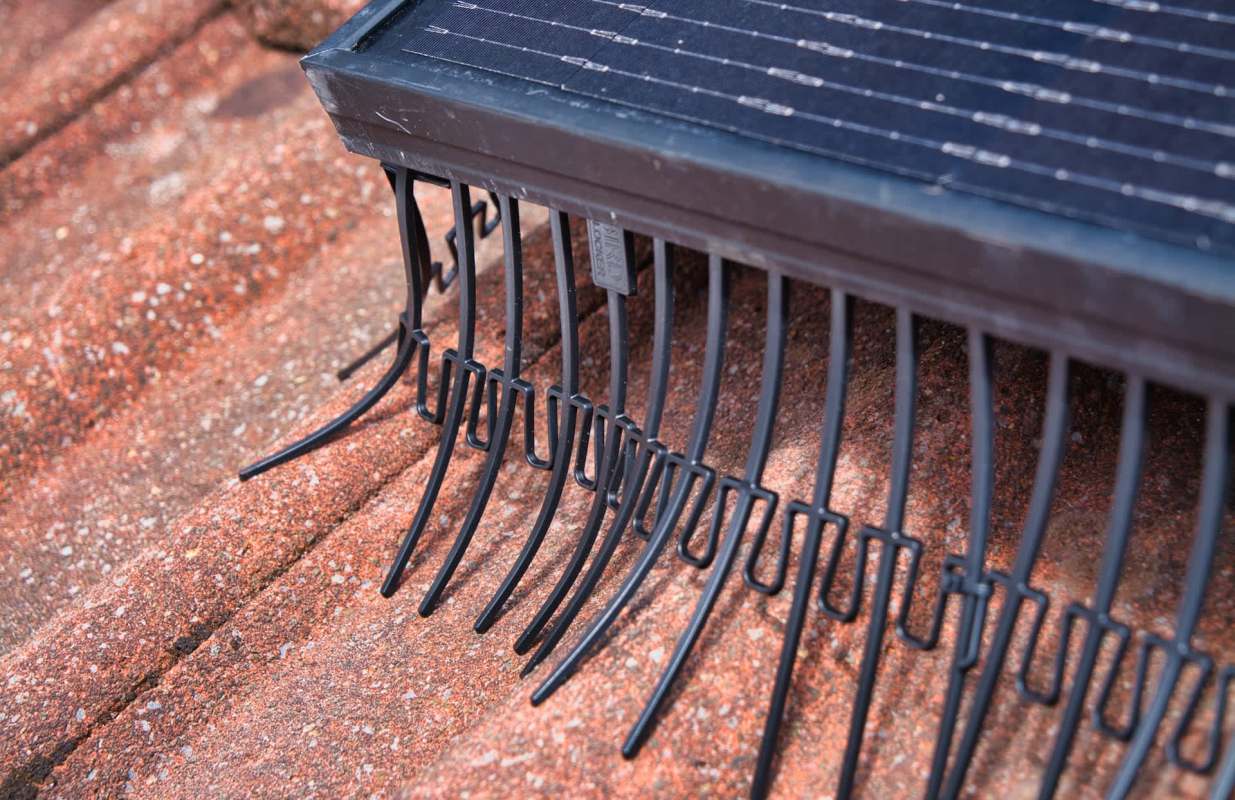
For homeowners investing in rooftop solar, one of the most frustrating surprises may not be the panels themselves but the extras that were never clearly spelled out.
In one U.K. homeowner's account, bird protection was apparently left out of the installation and later came back as a £400 (around $529) add-on.
Here's what to know
The homeowner said they had assumed bird protection was part of the package while sorting through several solar quotes. They later found out it had not been added because they had not explicitly asked for it and the installer had not raised it on their own.
The poster wrote that the company told them: "We do not mention or discuss bird protection unless a customer specifically asks about it as it not something we actively promote as a business."
That explanation surprised other users in the discussion.
"Not something they promote as a business?! My installer offered it as standard because they said birds cause so many problems," one commenter wrote.
Another user called it "a weird business decision," saying it seemed like an easy upsell and a practical step to prevent later trouble.
Even with stories like this, going solar remains one of the best ways to save money on home energy over time. If you're gathering bids, trying EnergySage can help you get free solar installation estimates and compare quotes before signing anything.
Save $10,000 on solar panels without even sharing your phone number Want to go solar but not sure who to trust? EnergySage has your back with free and transparent quotes from fully vetted providers that can help you save as much as $10k on installation. To get started, just answer a few questions about your home — no phone number required. Within a day or two, EnergySage will email you the best local options for your needs, and their expert advisers can help you compare quotes and pick a winner. |

More background
Bird-proofing is generally meant to stop birds from nesting or roosting in the space beneath solar panels. Commenters said that can help cut down on noise, mess, gutter debris, and other maintenance problems over time.
Multiple people in the thread said bird protection had been included with their own systems or was strongly encouraged by their installers. Others said that when companies try to look cheapest in a crowded quote process, they may omit some line items at first, and buyers may not notice until after they commit.
A system's battery setup, panel count, and inverter often get the most attention, but smaller line items — bird-proofing, trenching, charger installation, and cleanup — can still shape both the final cost and the long-term ownership experience.
What can be done?
Get every add-on in writing. Ask whether bird protection, battery storage, labor, cleanup, monitoring, and any electrical upgrades are included. If something matters to you, do not assume it is standard — request it in the quote and the contract.
More From EnergySage
💡Go deep on the latest news and trends shaping the residential solar landscape

For homeowners still shopping, EnergySage offers free tools that let you curate competitive bids from local installers without giving them your contact information unless you choose to work with one further. That can be especially useful when you are trying to compare more than the sticker price and see exactly what each installer is and is not including.
With EnergySage's help, the average person can save up to $10,000 on solar purchases and installations. For U.S. homeowners, EnergySage's solar map shows the average cost of a home solar panel system by state, along with details on solar panel incentives for each state. Together, these resources can help homeowners get the best price for rooftop solar panels and access available incentives.
Adding battery storage to a solar setup is also one of the best ways to protect your home during outages, save money on energy, and go off-grid. Paired with panels, a battery can store extra energy for when the sun isn't shining and reduce reliance on the grid. If you want to compare options, EnergySage offers information about home battery storage, including competitive installation estimates.
Where can I learn more?
For more on the fine print around solar, these articles cover other issues homeowners can run into, from buyer protections to installer decisions.
• In the U.K., solar developers found wildflower meadows can benefit biodiversity around large solar farms.
• In the U.S., CFPB rules now protect homeowners from ruthless salespeople pushing solar-backed PACE loans.
• EnergySage says interconnected factors drive solar costs, making side-by-side quotes especially important.
• In Australia, homeowners flagged a brazen online scam offering supposedly free solar panels.
• A roofer's warning sparked debate after homeowners argued the installation advice was wrong for solar.

Get TCD's free newsletters for easy tips, smart advice, and a chance to earn $5,000 toward home upgrades. To see more stories like this one, change your Google preferences here.






