


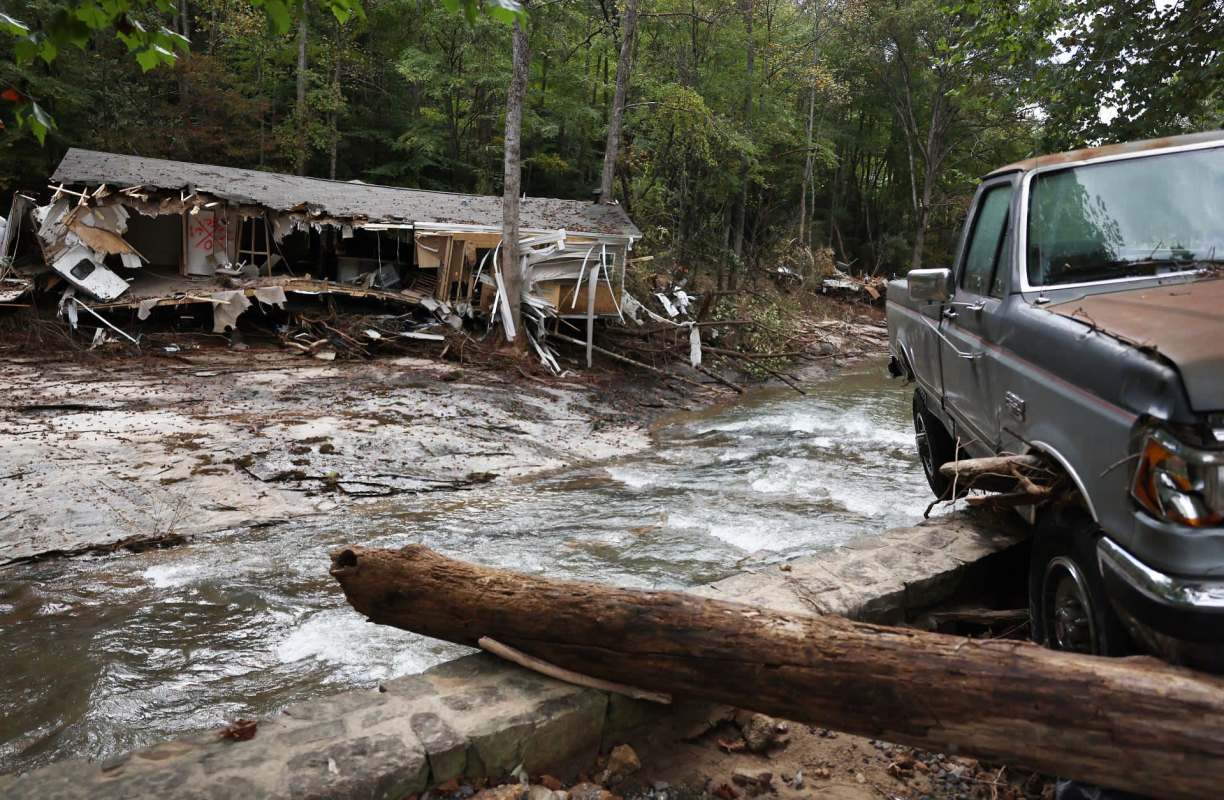
When Hurricane Helene tore through North Carolina in 2024, resident Carla Ramsdell came away with a hard truth about disaster planning: Thinking you are prepared is not always the same as actually being prepared when a crisis arrives.
What she witnessed in the aftermath — people cut off from critical resources as blocked roads, power outages, and structural damage made essentials harder to access — later pushed her to start her own disaster preparedness YouTube series called The Resilient Kitchen.
Here's what to know
As Yale Climate Connections reported, Ramsdell, a North Carolinian who survived Helene, said the storm changed the way she thinks about emergency readiness. While she had planned for the kinds of storms her area had dealt with before, the major hurricane two years ago showed her that approach had serious limits.
"It caught a lot of us off guard," Ramsdell told YCC. She added, "We prepared as we would have for many storms that come through our area, but maybe not to the extent that we should have."
While Ramsdell made it through the hurricane unharmed, what happened across the region stayed with her. In response, she launched The Resilient Kitchen to focus on the supplies and household skills that can make emergencies more navigable.
"There's some real genuine fear that welled up in me that I prepared some, but did I prepare enough? And I think maybe I'd never been intentional enough about even knowing what that meant," she told YCC.
TCD Picks » Quince Spotlight
💡These best-sellers from Quince deliver affordable, sustainable luxury for all




As Ramsdell explains in the first episode of the series, "These videos are intended to help people across the world prepare for natural disasters that may impact resources such as safe water, food, electricity, cell service, and even road access."
She adds, "Unlike most prepper strategies, I'm focusing on everyday people going about our busy lives who may be faced with a natural disaster threat and would like some simple science-backed ideas to be better prepared."
Her videos offer concrete advice, such as what to stock up on before a storm, how to build a "resilient kitchen kit," what it takes to filter water in an emergency, and how to cook using a camp stove.
What can be done?
Households can be in much stronger positions when routines collapse if families prepare before disaster arrives by gathering essentials, learning how to safely manage drinking water supplies, and planning backup cooking methods.
Practicing such skills ahead of time is key — it's much easier to learn before an emergency than in the middle of one.
People looking to help their neighborhoods become more resilient can support local preparedness efforts, share resources, or take action to strengthen community response before the next emergency strikes.
Where can I learn more?
Hurricane Helene revealed weak points in home readiness and community recovery across North Carolina — these stories show what the region needed to recover:
• In Asheville, Helene's flooding exposed climate haven narratives as painfully inadequate.
• Across North Carolina, volunteers brought solar power to communities left struggling after Helene.
• After the storm, organizers raced to help survivors with donations and relief.

Get TCD's free newsletters for easy tips, smart advice, and a chance to earn $5,000 toward home upgrades. To see more stories like this one, change your Google preferences here.






