


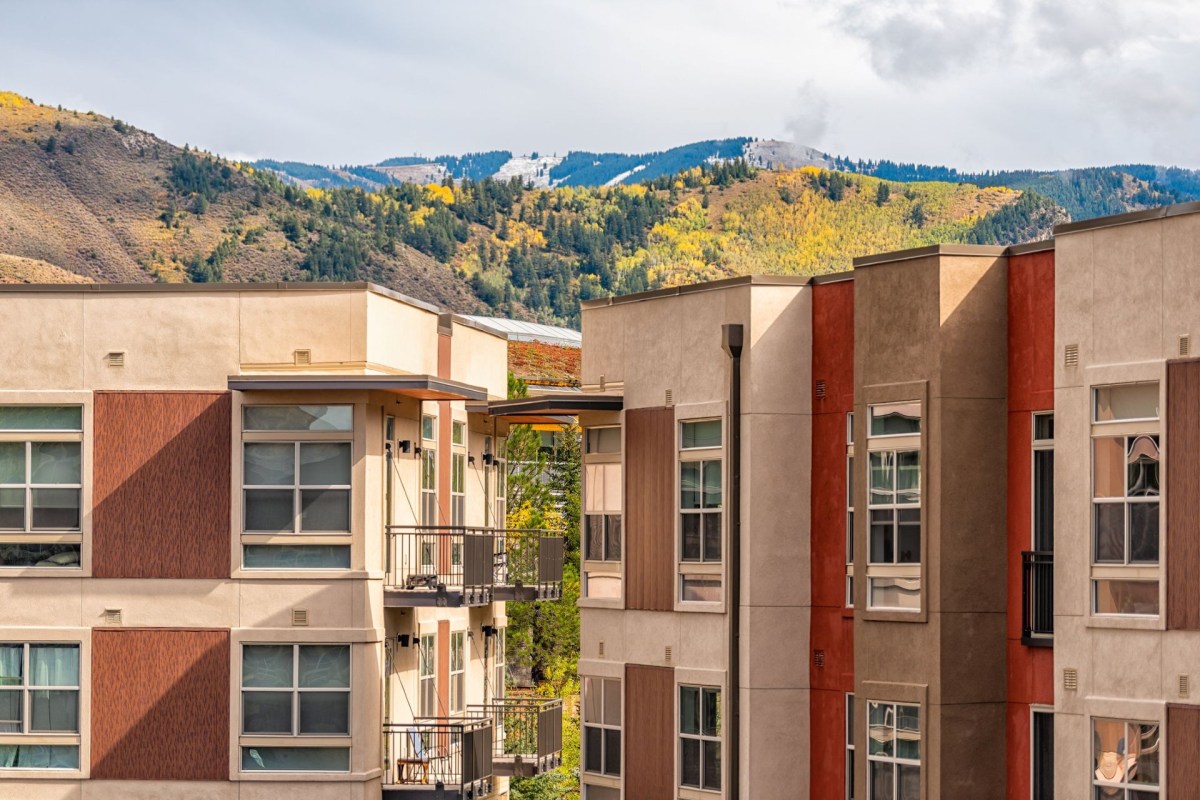
A condo's lower sticker price has often made it seem like the easiest way into ownership. Many owners are learning that higher HOA dues, unexpected assessments, and building-insurance expenses can overwhelm that initial savings and make a unit tough to unload.
For some households, the result is a home they want to exit but can't sell without a steep hit.
Here's what to know
Several cost pressures are converging in the condo market. The New York Post cited MarketWatch reporting that rising homeowners association charges, hefty special assessments, and financing obstacles connected to condo insurance coverage are pushing buyers away.
That dynamic has played out for Will Hudson, a 43-year-old public employee in Golden, Colorado. He paid $260,000 for a two-bedroom condo in July 2024 after deciding to return to a complex where he had once lived and had positive memories.
The experience turned out very differently. MarketWatch said he encountered recurring flooding in shared spaces and repeated water shutoffs, while HOA dues climbed to nearly $470 a month and left him wanting to move.
The resale picture has looked bleak there, too. Another condo in the development dropped from a $270,000 asking price in May 2025 to $149,000 before entering contract, and the deal still had not closed. Hudson told MarketWatch the purchase was "the greatest mistake of my life."
TCD Picks » Quince Spotlight
💡These best-sellers from Quince deliver affordable, sustainable luxury for all




Vantaca found that 8.5% of condo buildings built before 2000 imposed a special assessment in 2025, with a typical bill of nearly $2,500. Its data show the median special assessment climbed from $930 to $1,100, while 54% of community associations plan to raise fees to cover costs such as insurance and reserve requirements set to take effect in 2027.
More background
That trend cuts against the usual condo pitch. These properties are often presented as a cheaper alternative to a standalone house, but the math can change fast once regular dues, special assessments, and insurance-driven expenses start piling on.
National Association of Realtors data show August condo and co-op sales were down 2.7%. In the Bright MLS region stretching from New Jersey to Virginia, condos now make up 15% of active inventory, up from less than 10%, Bright MLS Chief Economist Lisa Sturtevant told MarketWatch.
Insurance is playing a major role in the problem. If a building's master policy is too costly, too limited, or unavailable, those expenses are often passed directly to residents. And if a property's coverage does not meet federal lending standards, buyers may not qualify for standard Fannie Mae- or Freddie Mac-backed mortgages, shrinking the buyer pool even further.
What can be done?
FirstService Financial president Andrew Lester advised prospective owners to review reserve studies, a building's insurance coverage, structural reports, and the age of major systems — including roofs, plumbing, and elevators — before closing on a unit.
Slow or incomplete disclosures from an association can be a warning sign too. Buying a condo means taking on more than the interior of a single apartment; it also ties you to the building's financial health and how well it is maintained.
Existing owners may have some room to push for change as well. That can mean attending board meetings, advocating for better reserve planning, pressing for more transparency around insurance decisions, and organizing neighbors around cost-saving improvements that could boost affordability and resale value.
Where can I learn more?
HOA rules can create headaches long after a purchase, and not just when it's time to sell. These stories follow condo residents and other owners dealing with blocked solar projects, yard-rule frustrations, and fights over landscaping decisions.
• A condo owner weighed portable solar panels after HOA limits blocked rooftop options.
• Some homeowners are ditching HOAs for rural living to escape constant mowing and rule fights.
• Elsewhere, residents fought aggressive HOA restrictions when boards tried to block rooftop solar savings.
• Across several neighborhoods, owners fought native-plant bans and pushed back against HOA rules.

Get TCD's free newsletters for easy tips, smart advice, and a chance to earn $5,000 toward home upgrades. To see more stories like this one, change your Google preferences here.






