


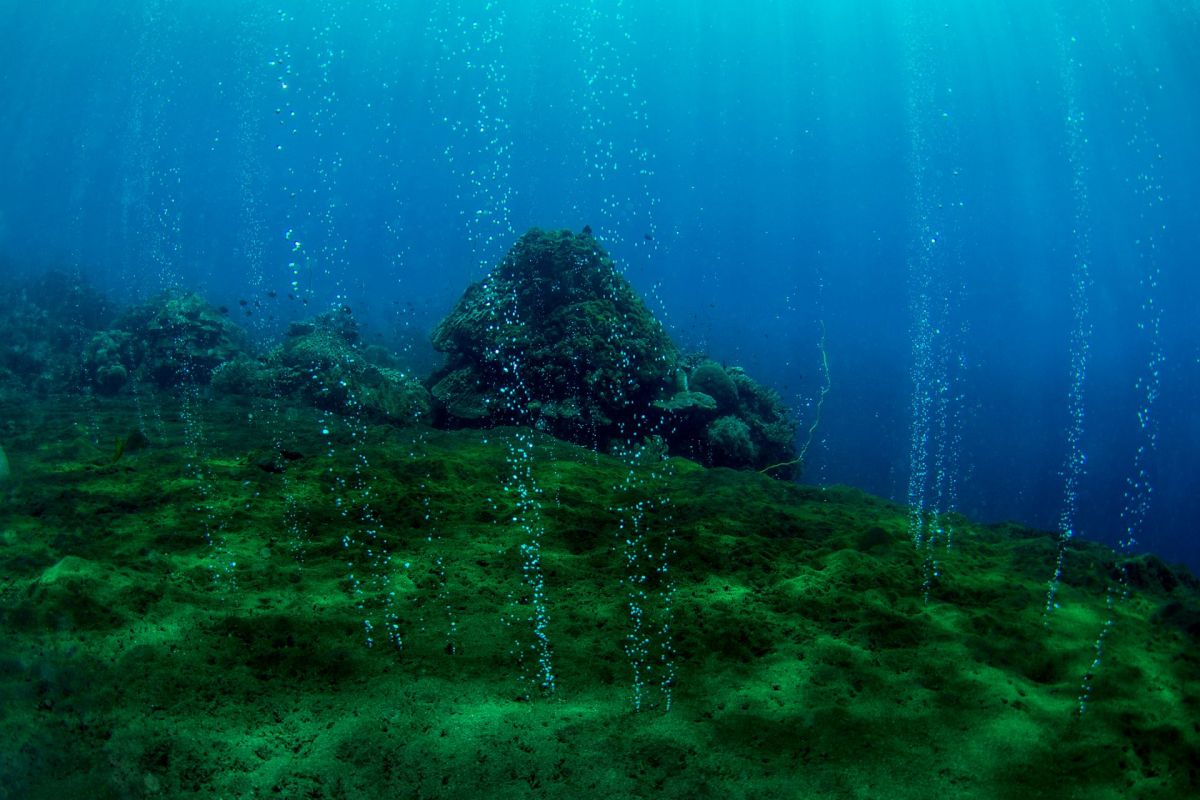
Size alone may be a poor guide to tsunami danger from an underwater volcano.
A new study on Tonga's 2022 Hunga eruption indicates that the collapse of a relatively small caldera may have helped produce an exceptionally powerful tsunami.
Here's what to know
Researchers say the tsunami from the Hunga volcano near Tonga may have been intensified when the volcano's structure collapsed rapidly during the eruption, according to Ars Technica. Their findings could change how we judge the coastal threat from submarine volcanoes.
On Jan. 15, 2022, Hunga produced an extraordinarily powerful volcanic event. The blast sent an eruption column more than 34 miles (55 kilometers) high, pushed vaporized seawater into the stratosphere, and generated a pressure wave detected around the world.
The tsunami within about 62 miles (100 kilometers) from the source is estimated to have reached 131 feet (40 meters), the highest tsunami ever recorded from an underwater volcanic eruption.
Seafloor maps made before and after the event point to a possible reason: a caldera about 2.5 miles wide (4 kilometers) dropped by roughly 3,300 feet (1 kilometer), and scientists think that sudden collapse helped drive the waves.
TCD Picks » Quince Spotlight
💡These best-sellers from Quince deliver affordable, sustainable luxury for all




Because Hunga's caldera is relatively small, the case suggests that other undersea volcanoes could also create hazards far greater than their size alone would indicate.
More background
Eruptions beneath the ocean are different from those on land because seawater plays a major role in shaping the outcome. Even a smaller volcano can threaten coastal communities, ports, fisheries, and infrastructure if it suddenly displaces massive volumes of seawater.
In deeper water, pressure can suppress explosive activity, but in shallower areas, lower pressure and extremely hot volcanic material can combine to produce much more violent blasts, the researchers noted. In 1883, for example, the Krakatoa eruption in Krakatau, Indonesia, killed more than 30,000 people. Many were killed by the tsunami rather than by volcanic debris.
A better understanding of these risks could improve hazard maps, tsunami warnings, evacuation planning, and emergency preparedness.
What's being done?
To reconstruct what happened at Hunga, an international team of researchers compared seafloor topography from before and after the eruption.
If scientists can better identify which underwater volcanoes are capable of rapid caldera collapse, governments may be able to refine tsunami forecasts and strengthen coastal warning systems in vulnerable regions like the southwest Pacific.
Where can I learn more?
If you want to dig deeper, you can explore stories about efforts to improve forecasting, strengthen disaster resilience, track eruption threats, and assess tsunami risk.
• In Iceland, officials have warned that a massive crack could signal another dangerous eruption.
• Better disaster planning methods could help coastal communities rebound after earthquakes and tsunamis.
• Scientists say melting glaciers may revive dormant volcanoes by easing pressure underground.
• In New Zealand, human activity may double or triple dangerous land subsidence along coasts.

Get TCD's free newsletters for easy tips, smart advice, and a chance to earn $5,000 toward home upgrades. To see more stories like this one, change your Google preferences here.






