


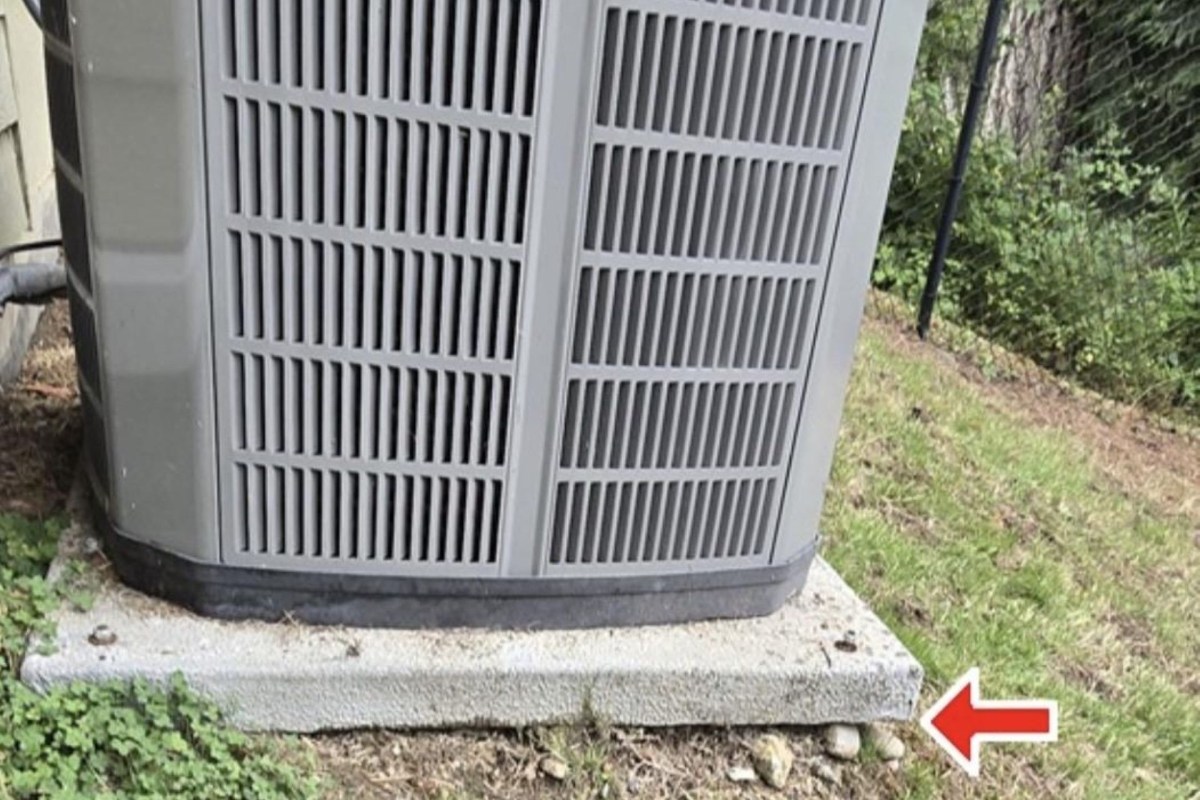
A small erosion problem beneath a heat pump pad sparked a much bigger online debate over what homeowners should actually do when an installation starts to sink or wash out.
For anyone hoping for a simple DIY answer, the responses made one thing clear: The fix that looks cheapest is not always the smartest one.
Here's what to know
On Reddit's r/HVACAdvice, a homeowner described a pad that was eroding and asked how to keep it supported. They said someone had suggested hammering gravel underneath it to level it out, but they were also thinking about adding a retaining wall.
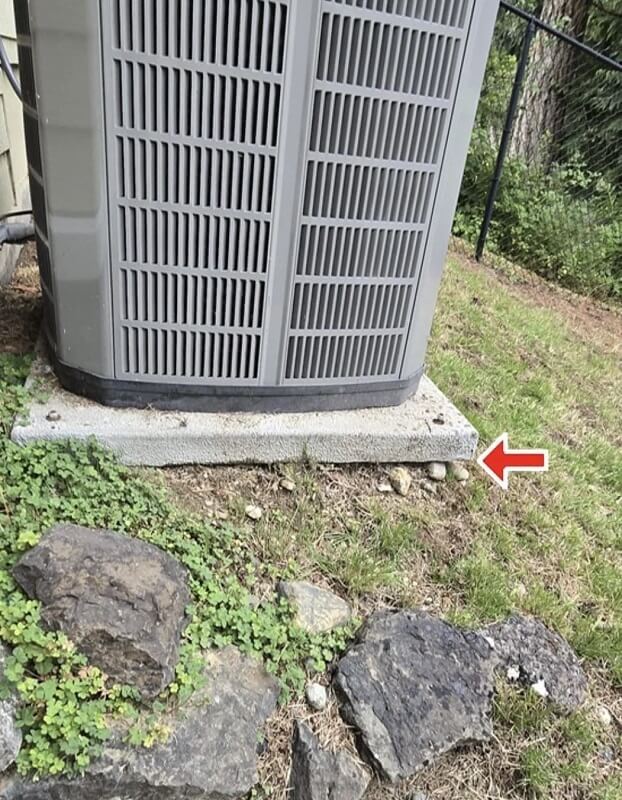
The retaining-wall idea quickly became a point of disagreement.
One commenter recommended a more built-up solution. They said, "Measure around the pad and leave 6", use 4x4s and anchor into the ground and make a retaining wall, only way it's going to stop eroding."
Another user replied, "Are you a landscaper? That's a wild idea lol."
TCD Picks » Quince Spotlight
💡These best-sellers from Quince deliver affordable, sustainable luxury for all




They then continued with more thoughts, saying: "This pad should have been dug out. … You most likely need to raise the soil level 3 inches starting at your foundation, then grade as needed." But they concluded that, on balance, "Your best bet is to do nothing at this point. The pad and condensor will be fine for quite some time. If your landscaping was fine before this install, it will be fine after."
Several other replies treated the ideas as partial fixes at best.
One user said, "Shoving gravel underneath is just going to be a band aid fix but worth doing to buy more time."
Another commented, "The ultimate problem is this pad wasn't poured correctly."
More background
Heat pumps can be a money-saving upgrade for homeowners because they are generally much more efficient than older electric resistance systems, which can translate into meaningful utility bill savings over time.
However, those savings depend on the system being installed correctly and remaining stable. If a pad shifts, sinks, or erodes away, that can put extra stress on refrigerant lines, electrical connections, and the outdoor unit itself. A relatively small grading issue can turn into a much larger repair problem if it goes unresolved.
A quick gravel fix may cost very little upfront, but an ongoing erosion issue can eventually lead to more expensive repairs. Avoiding a preventable service call or corrective installation can save money, while a more extensive rebuild can cost more.
What can be done?
Before settling on a fix, users suggested figuring out what is actually causing the washout. Several noted that a single photo was not enough to diagnose the problem, and one said a landscaping or homeowner forum might be better equipped to assess the surrounding area.
Packing gravel under the pad may help for a while, but users repeatedly described that approach as temporary. If runoff or poor grading is carrying soil away, changing how water moves through the space may matter more than whatever gets shoved beneath the slab.
Where can I learn more?
These stories dig into some of the bigger homeowner decisions that can come with heat pump installs and repairs. They cover repair-cost tradeoffs, cold-weather performance, environmental benefits, and another debate over questionable cement use.
• Homeowners comparing a failing furnace with heat pump repair costs often confront longer-term savings tradeoffs.
• In Minnesota, a northern couple said they've done great even through frigid winters.
• NREL concluded it's better to switch now as cleaner grids improve heat pumps' impact.
• A gardener worried that adding cement to compost would create more problems than benefits.

Get TCD's free newsletters for easy tips, smart advice, and a chance to earn $5,000 toward home upgrades. To see more stories like this one, change your Google preferences here.






